Revolutionary cancer detection method makes radioactive tracers obsolete
Diamond sensors will replace radioactive tracers to detect the spread of disease
_updates.jpg)
In a groundbreaking study, the scientists have developed a diamond-based sensor to detect the spread of cancer, making radioactive tracers redundant.
Researchers at the University of Warwick have developed a tiny device that is designed to trace small magnetic particles injected into the body.
According to researchers, this device offers a non-toxic alternative to radioactive tracers and dyes that have currently been used in hospitals.
The study findings published in Physical Review Applied demonstrate the efficacy of diamonds in identifying the magnetic tracer fluid injected into a tumour.
The fluid is made up of iron oxide nanoparticles, which usually travels through the body alongside cancerous cells, unveiling whether they have reached the lymph nodes or not, according to researchers.
Alex Newman, lead author of the study, said this new tool could revolutionize the way of detecting cancer in endoscopic surgery and keyhole.
“There is a real demand for versatile non-toxic means of finding cancer,” Alex said.
“For this new diamond-based sensor, we managed to get the size of the sensor head down to just 10 millimetres, which means it is the first diamond sensor to be able to detect magnetic tracer fluid while being small enough for endoscopic use and keyhole surgery.”


-
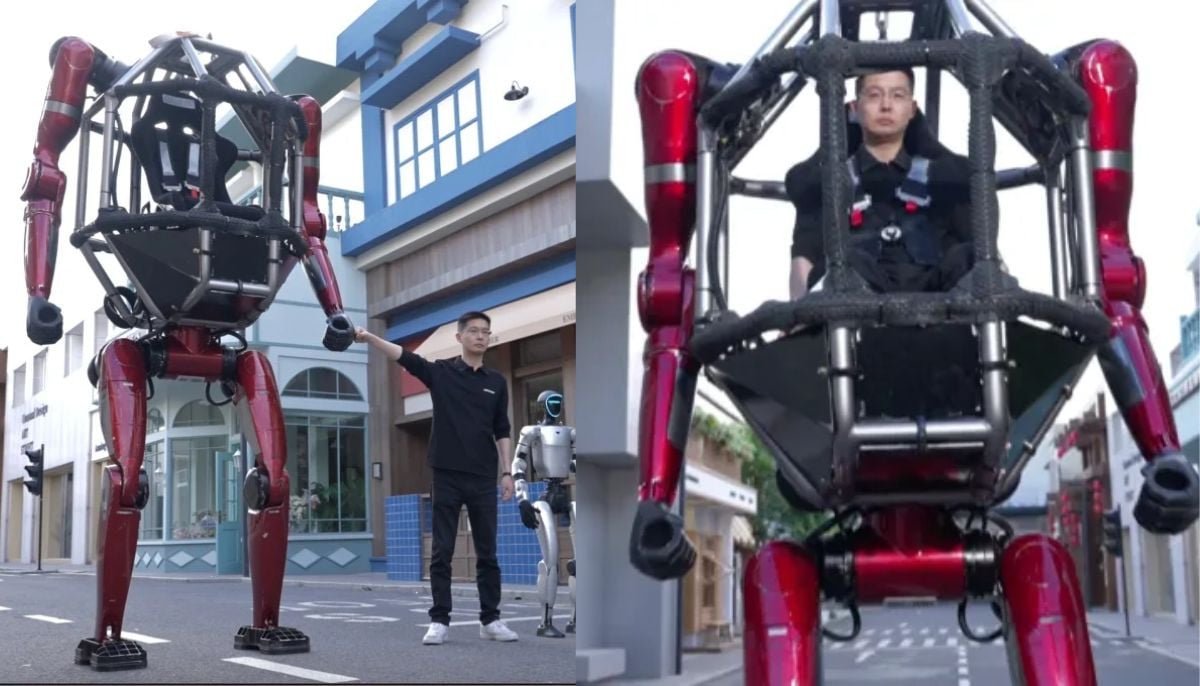 China launches world’s first transforming robot with pilot cockpit
 -
 Kodak Black detained again in fresh police action
 -
 Drake drops emotional bombshell: 'My dad got cancer right now’
 -
 Elsie Hewitt heartbreaking confession came just before Pete Davidson split bombshell
 -
 Nicki Minaj drops bombshell: 'Lots of rappers' secretly hate Jay-Z
 -
 Elon Musk selfie with Lei Jun goes viral in China
 -
 'Injured' Chud the Builder faces attempted murder charge after shooting
 -
 Khloe Kardashian reacts to Nancy Guthrie kidnapping claims: ‘Weird’