
FDA warns of radioactive shrimp contamination at Walmart
Walmart sold radioactive shrimp products under the Great Value label
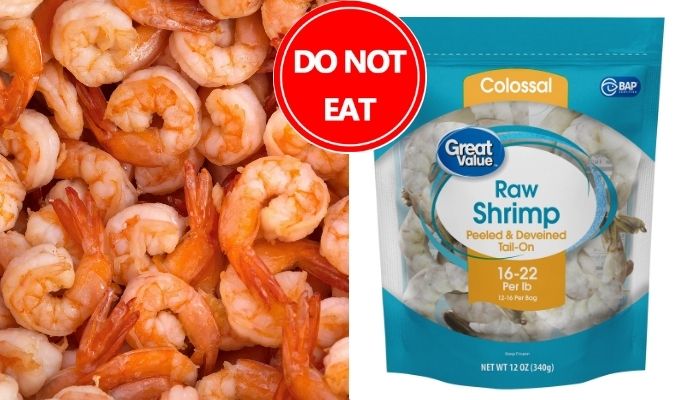
FDA, U.S. Food and Drug Adminsitration department, has warned shrimp buyers from Walmart as Great Value items after radioactive-isotope contamination possibility found on August 19, 2025.
Frozen shrimp sold at Walmart under its flagship private label brand are subject to contain Cesium-137 and that bulk delivery is linked to an Indonesian supplier.
The regulatory authority said: "Shipments from PT. Bahari Makmur Sejati may contain traces of Cesium-137, a radioactive isotope, and recommended that Walmart recall certain lots of its Great Value frozen raw shrimp."
The drug agency revealed they had detected Cesium-137 in one shipment from the supplier, though that batch never entered U.S. commerce but Walmart has not yet responded to the situation.
The governing body confirmed after initial investigations that all shrimp currently on sale have tested negative.
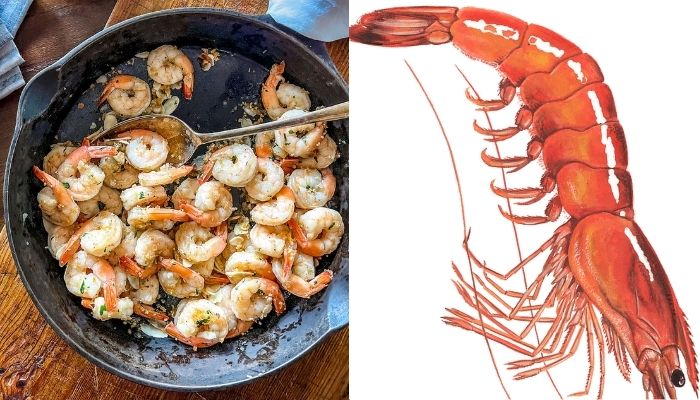
The FDA shared three codes of affected lots, all with a best-before date of March 15, 2027:
- 8005540-1
- 8005538-1
- 8005539-1
Buyers who purchased the products are advised to throw them away or return to selling outlet. Distributors and retailers are advised to dispose of this product and should not sell or serve this product.
Environmental Protection Agency revealed that the possible isotope is Cesium-137, produced by nuclear fission and can be found in reactors and weapons testing. While it has medical applications, long-term exposure to low levels raises cancer risks by damaging DNA.
The officials shared that the levels detected, around 68 Bq/kg, fall well below its “level of concern” threshold of 1200 Bq/kg.
At this level, the product will not pose an acute hazard to consumers but users must avoid even low-dose exposure helps reduce potential long-term health risks.




-
 Bunnie Xo reveals why Jelly Roll refused to read her new memoir until release
 -
 Milo Ventimiglia reveals favourite activity with baby daughter
 -
 Sydney Sweeney feels 'misunderstood' amid Scooter Braun romance
 -
 'The Last Thing He Told Me' star Jennifer Garner reveals why her kids find her 'embarrassing'
 -
 Bad Bunny makes bold move after historic Super Bowl Halftime show
 -
 Halle Bailey, Regé-Jean Page spark romance rumours with recent outing
 -
 Keith Urban feels 'anger' over Nicole Kidman's 'love life' after divorce
 -
 Rae Sremmurd ‘Black Beatles’ Mannequin Challenge returns in 2026