How do parents raise maladjusted children?
Maladjusted children struggle with emotional instability, psychological disturbances, and difficulties in social adjustment
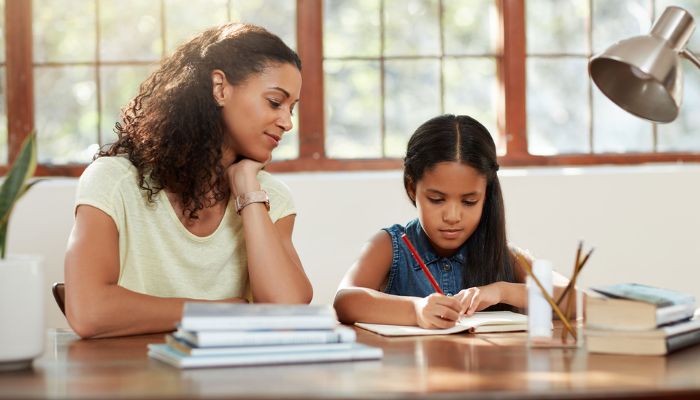
Parents who micromanage the lives of children often called "helicopter parents" may unintentionally raise maladjusted kids according to a new study published in Developmental Psychology.
Such maladjusted children find difficulty in regulating their emotions and behaviours may have social anxiety.
The study led by Dr. Nicole B. Perry from the University of Minnesota, followed 422 children over eight years.
The behaviour of children were examined at ages 2, 5, and 10. The findings reveal that overcontrolling or helicopter parenting styles can lead to long-term emotional and social distress.
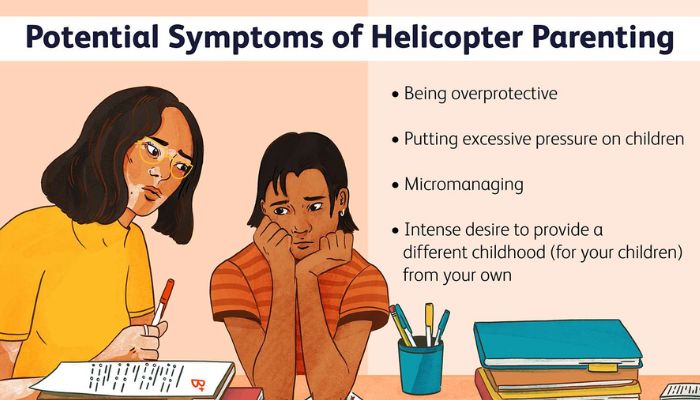
The impact of helicopter parenting or overparenting
The study analysed parents and children during play sessions noting their behaviours typical of helicopter parenting. It includes behavioural patterns like excessively directing play, demanding strict adherence to rules, and intervening even at slightest challenge.
It is found out that such a parenting style at age 2 showed emotional regulation by age 5 which in turn predicted greater struggles with friendships, classroom behaviour, and academic performance by age 10.
Dr Perry explained what they saw with some parents:
“Helicopter parenting behavior we saw included parents constantly guiding their child by telling him or her what to play with, how to play with a toy, how to clean up after playtime and being too strict or demanding. The kids reacted in a variety of ways. Some became defiant, others were apathetic and some showed frustration.”
Why does autonomy matter?
Children require opportunities to navigate problems independently to evolve critical coping skills. Parents who constantly interfere in children’s individual decisions deprive them of these learning experiences that further lead to defiance, apathy, and frustration.
On the contrary, children who are exposed to such challenges naturally learn to self-soothe and adapt to stressors which enable them with development of better social skills, fewer emotional problems, and higher academic success by preadolescence.
Factors contributing to Maladjustment
Maladjustment in children is a complex issue which is developed by a combination of factors. Undoubtedly, helicopter parenting plays a major role but other key factors also have a significant impact.
It includes inconsistent discipline, lack of clear expectations, excessive criticism (authoritarian parenting), emotional neglect, modelling in appropriate behaviour, and failure to address emotional needs (uninvolved parenting).
How parents can help?
Dr. Perry emphasizes the importance of fostering independence while providing guidance.
Key strategies involve teaching emotional awareness by discussing feelings and appropriate responses, modelling coping mechanisms by demonstrating calming techniques and encouraging problem-solving behaviour by allowing children tackling small challenges before stepping in.


-
 Miley Cyrus did something unexpected for her fan
 -
 Jenna Ortega makes surprising confession about 'Wednesday' success
 -
 JD Vance defends Musk on Starlink amid rising Ukraine tensions
 -
 Elon Musk invests in Ellison’s Skydance media company: Here’s why
 -
 Chris Pratt makes ‘exciting’ confession about Star-Lord comeback
 -
 The Simpsons episode ‘The Revengening’ shatters records
 -
 Zelenskyy recalls invasion’s first hours and Bucha horrors in candid ‘The Diary of a CEO’ podcast
 -
 Shamonda virus: What is the risk to humans?