NASA, SpaceX launch joint historic space mission
SpaceX and NASA officially joins hands to study space weather impact
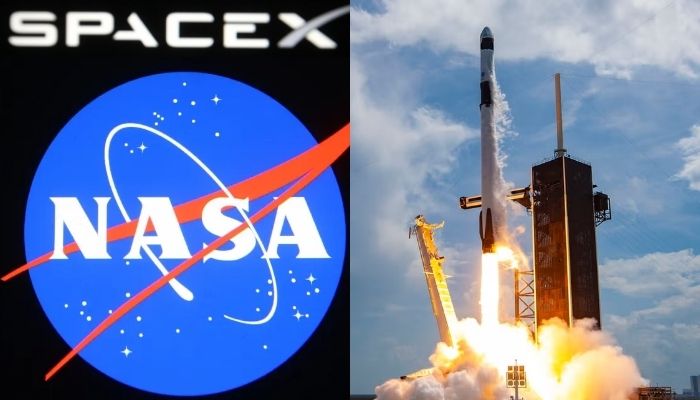
NASA has launched a rocket named Falcon 9 in collaboration with SpaceX as mission TRACERS (Tandem Reconnection and Cusp Electrodynamics Reconnaissance Satellites) on July 22, 2025.
Space mission was initiated at Space Launch Complex 4 East, located at Vandenberg Space Force Base, California.
The TRACERS with a around one hour launch window will now study geo magnetic reconnection to explore how solar system wind engages with earth's strong shield, magnetosphere.
Joint spacecraft will fly while facing the sun due to earth magnetic fields from the south and north pole. Expected ability to measure the magnetic flux reconnection in the very first year will be around 3000 times.
US space agency scientists aim to find out speed, time taken for reconnection and changes then later will compare the satellite’s data to determine results.
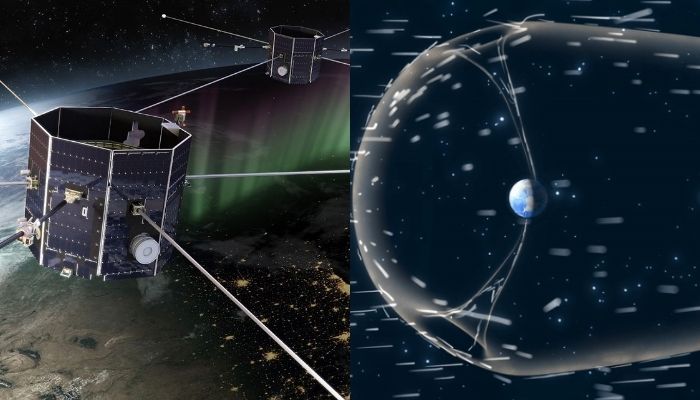
NASA has developed three payloads for this project:
- Economical Payload Integration Cost
- Relativistic Electron Atmospheric Loss
- Polylingual Experimental Terminal
The trio sat, that is also on flight with twin satellites to understand cost effective communication networking in space.
Athena EPIC, a small satellite, which is built to explore a better innovative path to keep the sensors in orbit at low costs and faster pace.
The PExT will demonstrate the networking and communication in space while REAL will test radiation charged particles reaction with the atmosphere.


-
 Elderly man mauled by 'large' dog as police hunt blonde owner
 -
 Kyle Larson's son melts hearts with kind gesture toward Kyle Busch's son
 -
 Jennifer Aniston's mind-blowing plan to build family with Jim Curtis exposed
 -
 'Michael' creeps closer to highest-grossing film?
 -
 Gordon Ramsay teaches 'brilliant' lesson to his children?
 -
 'Never in million years': Dog owner looks back at beloved pet nearly losing life
 -
 Space X’s Starship vision could enable 10,000 launches a year, says Elon Musk
 -
 GTA 6 Ad spotted before official summer marketing push