
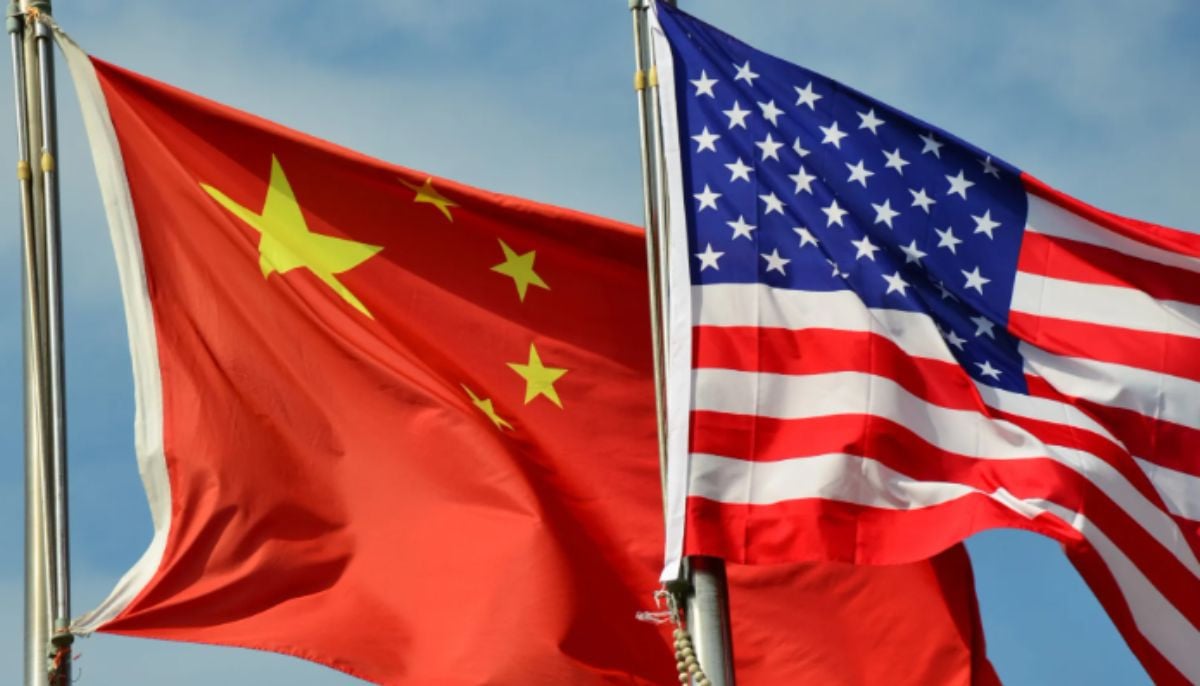
The United States should not decide its policy on the South China Sea based on what its allies think, and should stick to its promises not to take sides in the dispute, a senior Chinese diplomat said on Thursday ahead of Sino-U.S. security talks.
China has been angered by what it views as provocative U.S. military patrols close to islands China controls in the South China Sea. The United States says the patrols are to protect freedom of navigation.
China claims most of the South China Sea, through which $5 trillion in ship-borne trade passes every year. The Philippines, Vietnam, Malaysia, Taiwan and Brunei have overlapping claims, as well as close military ties with Washington.
Speaking at a forum ahead of next week's high-level meetings with U.S. officials in Beijing, Chinese Vice Foreign Minister Zheng Zeguang said his country had every right to protect its sovereignty and maritime rights in the South China Sea.
"In fact the United States is not a claimant in the South China Sea dispute, and its said it takes no position on territorial disputes," Zheng said.
"So we hope the U.S. can stick to its promises and not choose sides, but can set its position based on the rights and wrongs of the case rather than whether somebody is an ally," he added.
"I think if they can do this, and if they can stop provocative acts targeted at China's sovereignty and security interests, then the U.S. can play a constructive role in maintaining peace and stability in the South China Sea and promote a lowering of the temperature on this issue."
China's top diplomat, State Councillor Yang Jiechi, will take this up with U.S. Secretary of State John Kerry at their talks, Zheng added.
The South China Sea is also expected to loom large at Asia's biggest security summit starting in Singapore on Friday, attended by a senior Chinese admiral.
Last month, Beijing demanded an end to U.S. surveillance near China after two Chinese fighter jets carried out what the Pentagon said was an "unsafe" intercept of a U.S. military reconnaissance aircraft over the South China Sea.
Denouncing people in the United States who viewed China as a threat, which he believed was not a mainstream U.S. view, Zheng said the two countries had proved they can cooperate well on joint issues of global concern, like North Korea and Syria.
"China's development won't threaten any country," Zheng said. "I hope certain people in the United States set themselves straight and spurn Cold War thinking."





-
 Hailey Bieber reveals KEY to balancing motherhood with career
 -
 Hillary Clinton's Munich train video sparks conspiracy theories
 -
 Woman jailed over false 'crime in space' claim against NASA astronaut
 -
 Columbia university sacks staff over Epstein partner's ‘backdoor’ admission
 -
 Ohio daycare worker 'stole $150k in payroll scam', nearly bankrupting nursery
 -
 Michelle Yeoh gets honest about 'struggle' of Asian representation in Hollywood
 -
 US, China held anti-narcotics, intelligence meeting: State media reports
 -
 Goldman Sachs’ top lawyer resigns over Epstein connections