India's Congress pledges 'full statehood' for occupied Kashmir as elections near
3-phased polls, IIOJK regional assembly's first in a decade, set to begin tomorrow
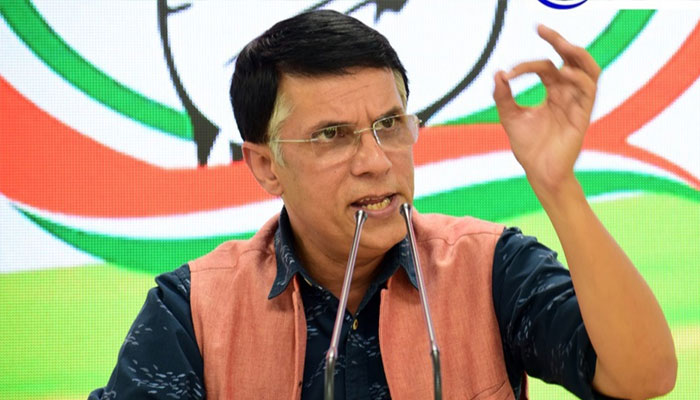
As Indian Illegally Occupied Jammu and Kashmir (IIOJK) prepares for the upcoming Assembly polls, Congress — the main opposition party in India — has pledged 'full statehood' for the disputed territory if elected, Indian media reported on Tuesday.
Three-phased elections begin in the occupied Muslim-majority region from tomorrow (Wednesday), IIOJK's first regional assembly polls in a decade — and the first since New Delhi abrogated the semi-autonomous status of the disputed region and imposed direct rule in 2019 — with 8.7 million eligible voters.
About 500,000 Indian troops have been deployed in IIOJK for decades. The region saw an unending series of bans on Kashmiri parties, curfews, crackdowns, and killings of civilians and freedom fighters struggling for their right to self-determination by the UN resolutions.
Speaking to journalists, Congress spokesperson Pawan Khera strongly criticised Narendra Modi-led Bharatiya Janata Party (BJP) government for abolishing Article 370 — which granted special status to the disputed region.
"[Occupied] Kashmir's rights were stripped, its statehood revoked, and it was reduced to a Union Territory,” he said, vowing that Congress — contesting the polls in alliance with the National Conference (NC) — would restore the rights of occupied territory.
Khera accused Modi of tyrannical politics in occupied Kashmir following the abrogation of Article 370.
Meanwhile, endorsing Modi's obstinacy and fascism on the Kashmir issue, Union Minister Amit Shah asserted that Article 370 is now a part of history and cannot be restored.
IIOJK's special semi-autonomous status — constitutionally enshrined power to control its affairs — meant only those who descended from residents of the territory in 1934 could vote and own property.
That changed in 2019 when Modi's government scrapped those rules and imposed direct governance from New Delhi. The move was an attempt to dilute the demographics of Muslim-majority Kashmir with Hindu settlers.
Subsequently, a batch of petitions challenged the abrogation of Article 370 of the Constitution in November last year and a five-judge bench led by Chief Justice of India (CJI) Dhananjaya Yeshwant Chandrachud heard the matter.
Later in Dec 2023, the Indian Supreme Court ruled that Article 370 was a temporary provision and that the occupied territory was an integral part of the country.


-
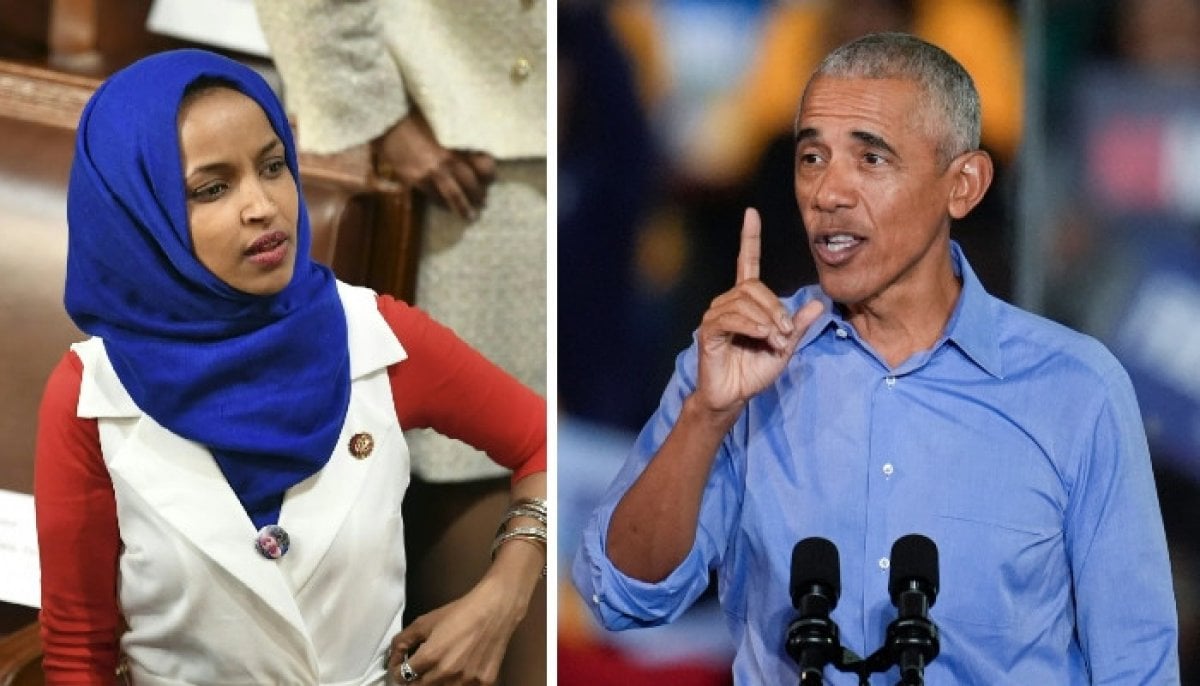 Obama says Ilhan Omar deportation threat could set dangerous precedent for Americans
 -
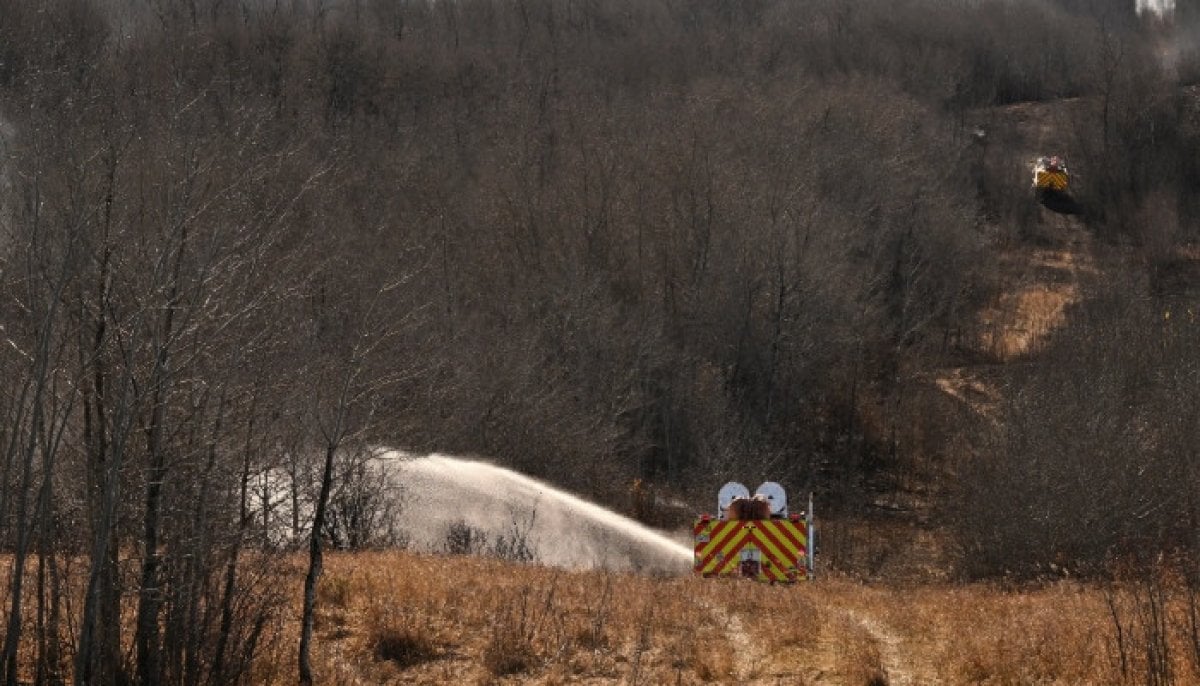 Four Canadian soldiers killed in Wainwright fire as Mark Carney orders flags lowered
 -
 Macron empowers local authorities to ban gatherings amid protests
 -
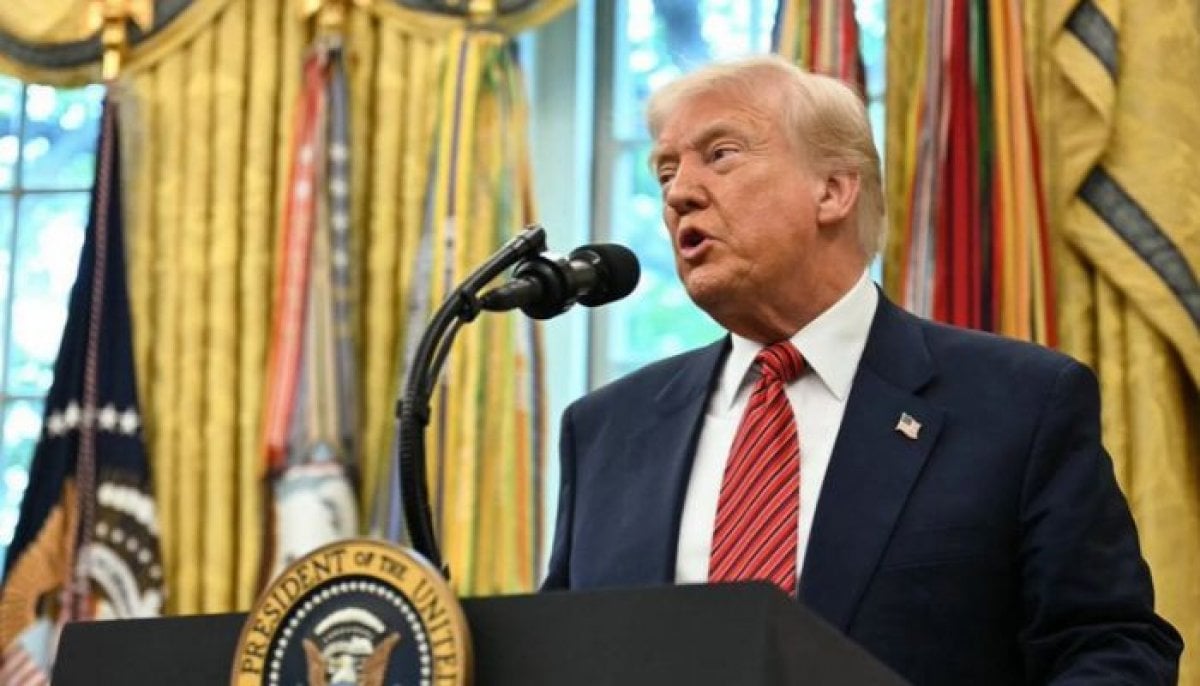 Trump reacts to violent unrest in France, blames immigration
 -
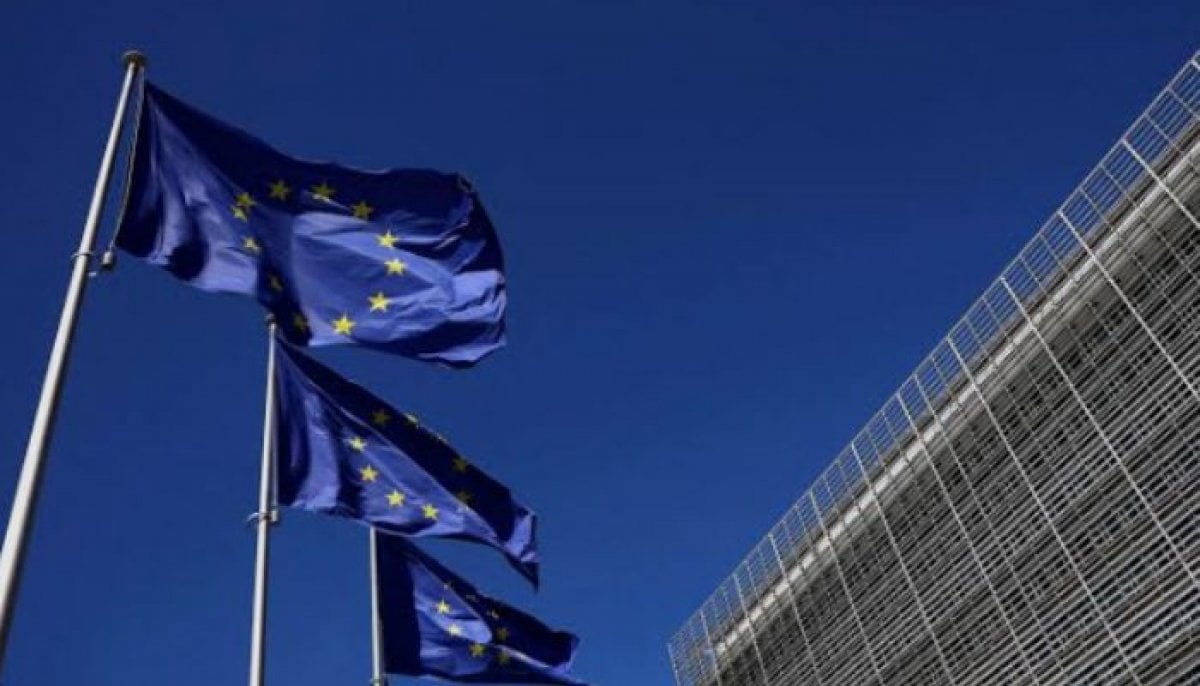 EU condemns West Bank settler attacks targeting European diplomats
 -
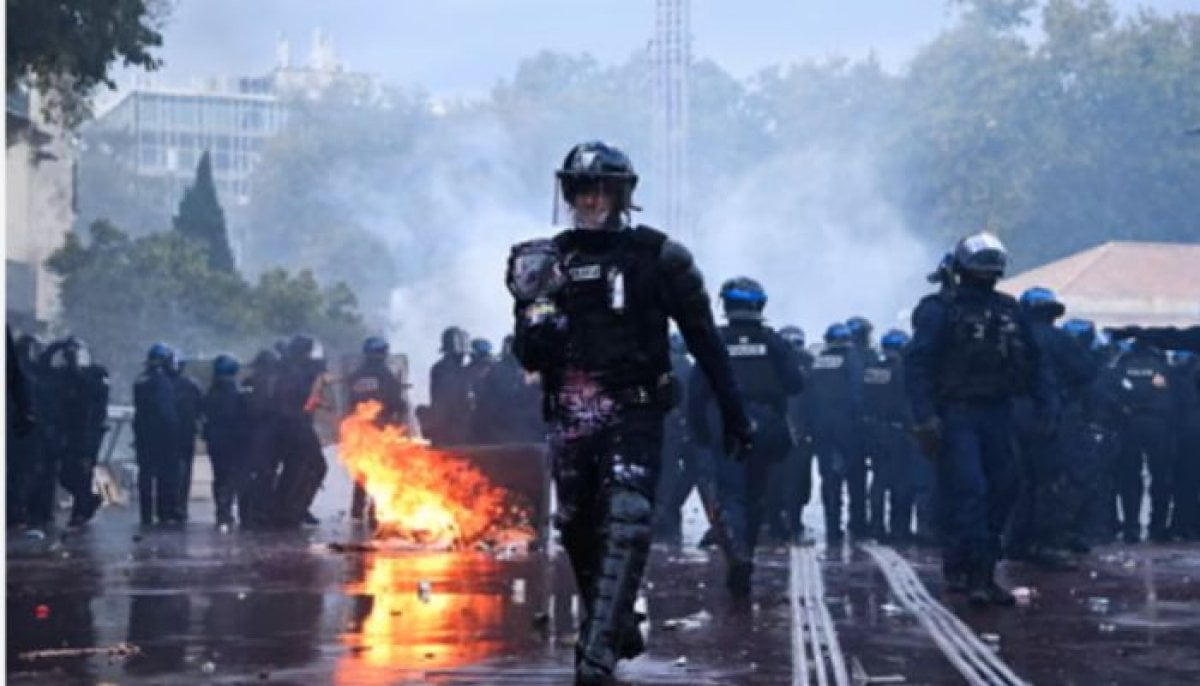 France protests turn violent: Over 1,800 arrested amid nationwide clashes and looting as riots devastate Paris streets
 -
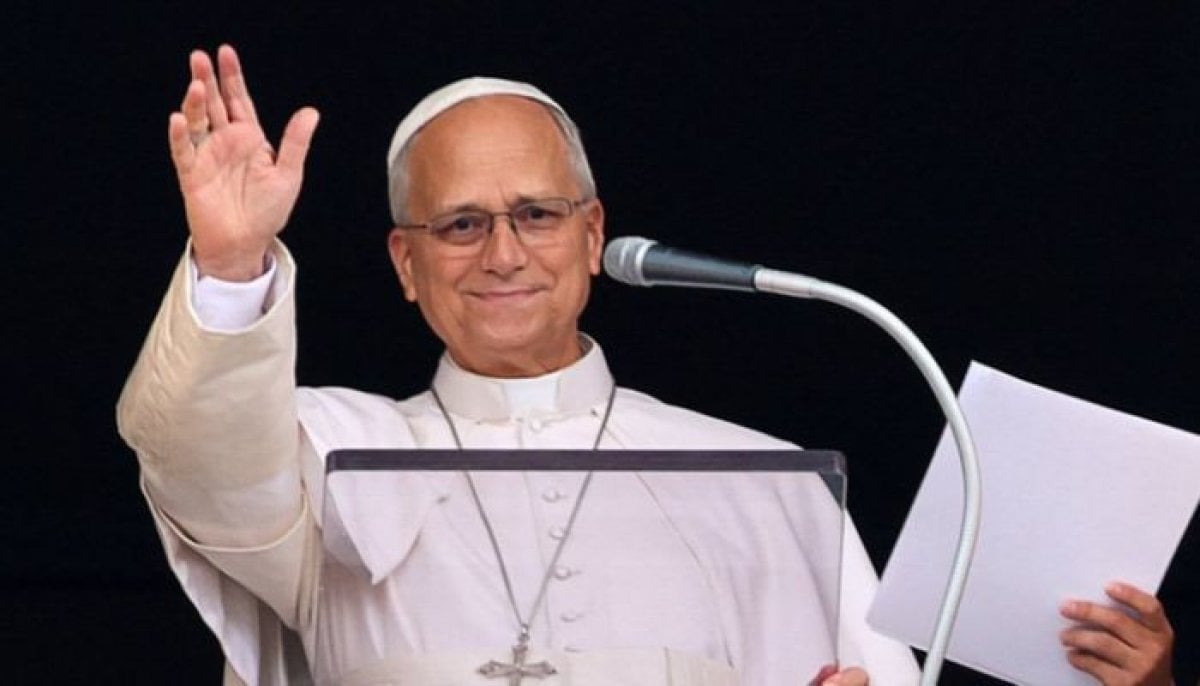 Pope Leo outlines major gradual return to duties in first event since cancer surgery
 -
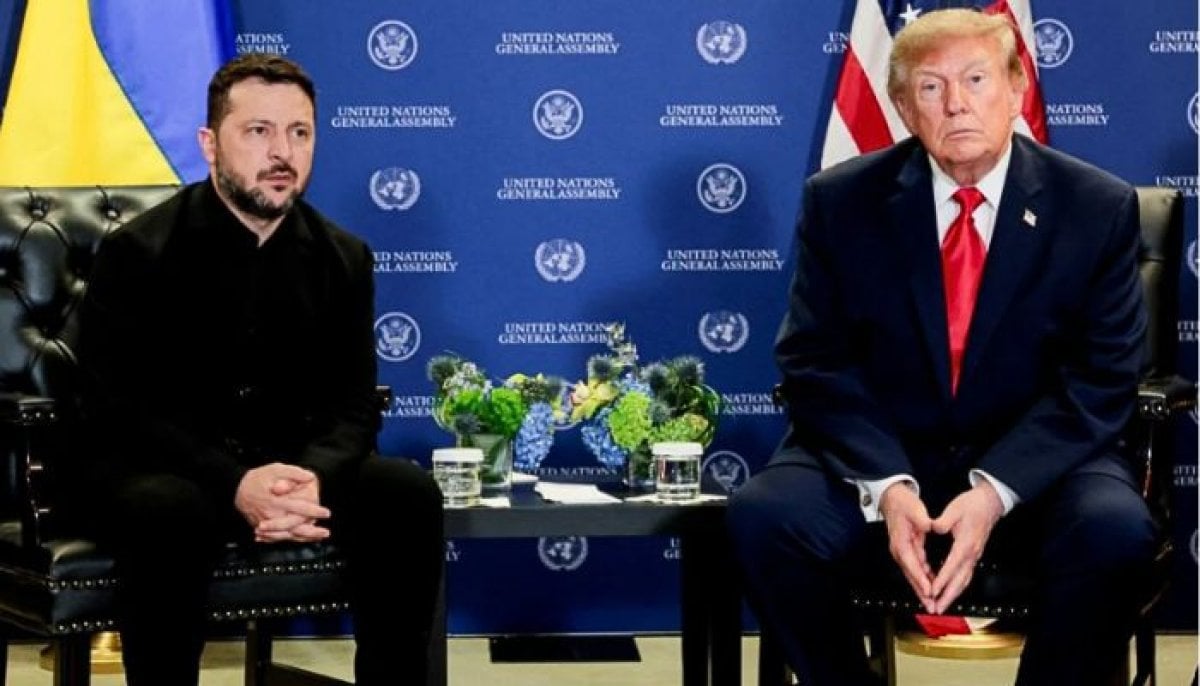 Trump-Zelensky clash sparks urgent fears over future US support for Ukraine
-
 China targets solar supply chain with new export restrictions on key technologies
 -
Rubio leads US delegation to Central Asia to expand trade and strategic influence
-
Vietnam signs free trade agreement with EFTA nations including Switzerland and Norway
-
Lindsay Clancy lawyer criticised for outing lone holdout juror