
Neom mastermind Saudi MBS building world's largest gardens
King Abdullah International Gardens to be world's largest
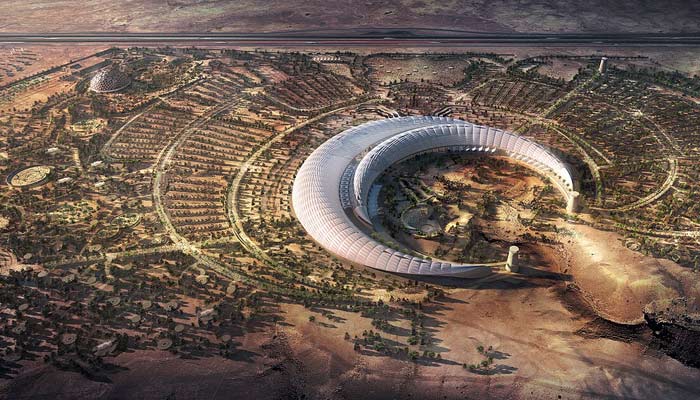
Saudi Crown Prince Mohammed Bin Salman is constructing world’s largest temperature-controlled gardens in Saudi Arabia.
A city is known for its tall buildings in today’s world, however, the greenery in the urbanised centres also have a prominent attraction for its residents as well as tourists and visitors.
As a result, Saudi Arabia is filling the Tuwaiq desert with the King Abdullah International Gardens just outside of Riyadh.
There are several attributes that will make the King Abdullah International Gardens a good location above the rest.
The King Abdullah International Gardens are the world’s largest temperature-controlled gardens, a quality that even the reputed Singapore Botanic Gardens with the world’s largest orchid display, cannot contain, according to Luxury Launches.
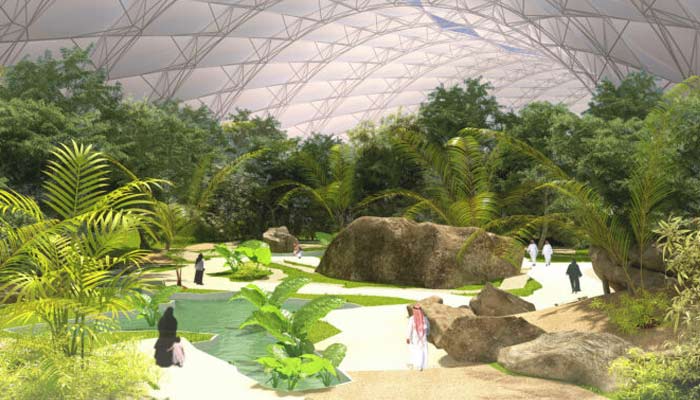
Comprising an endless variety of flowers, trees, and vegetation; the location will show a whopping 400 million years of Earth’s developments.
People will be transported back in time once they step into the King Abdullah International Gardens in the form of the Jurassic, Cretaceous, Devonian, Carboniferous, Cenozoic, and Paleobotanic periods.
Nestled within an endless array of gardens, these Paleobotanical gardens are an educational space that illuminates the choices we make and their impact on the world today and in the future.




-
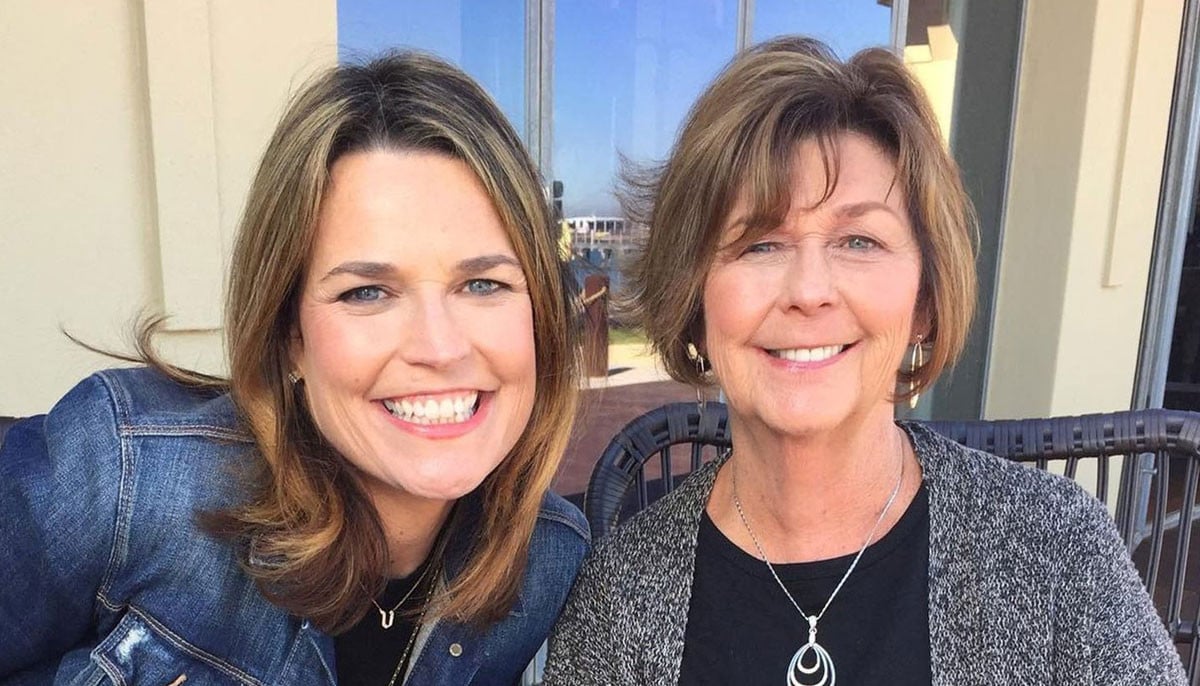 Savannah Guthrie speculations 'sadly' coming true about mother Nancy
 -
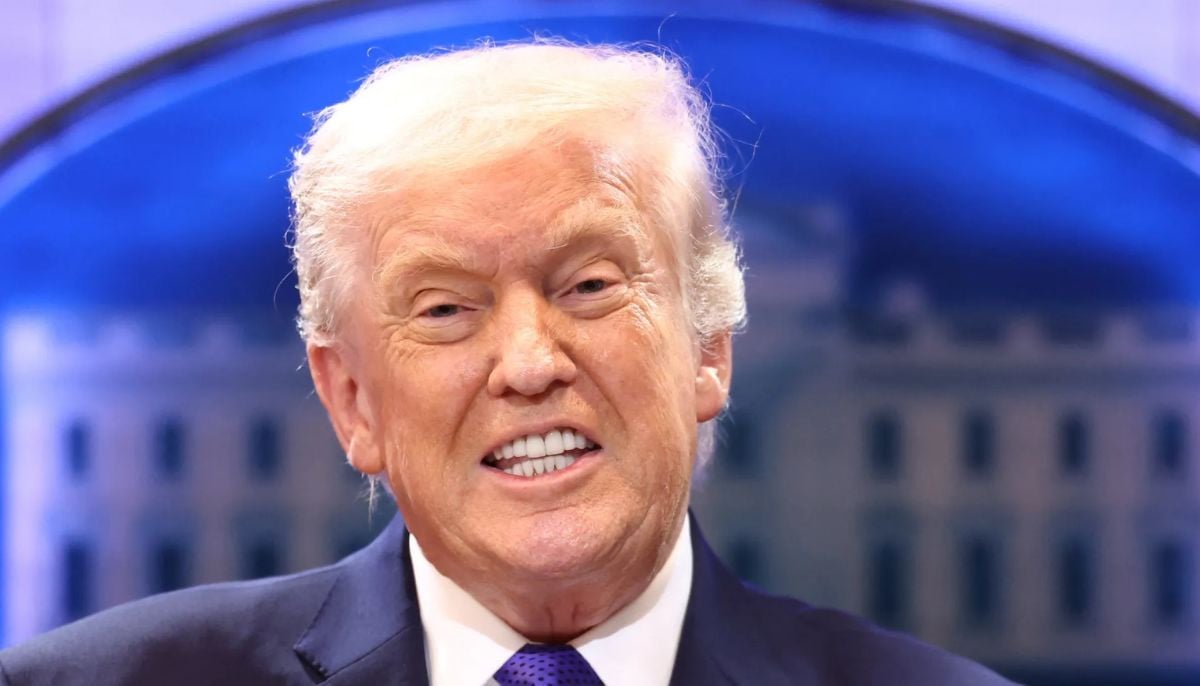 Trump administration warns of slow payouts for tariff refunds amid intensifying trade disputes
 -
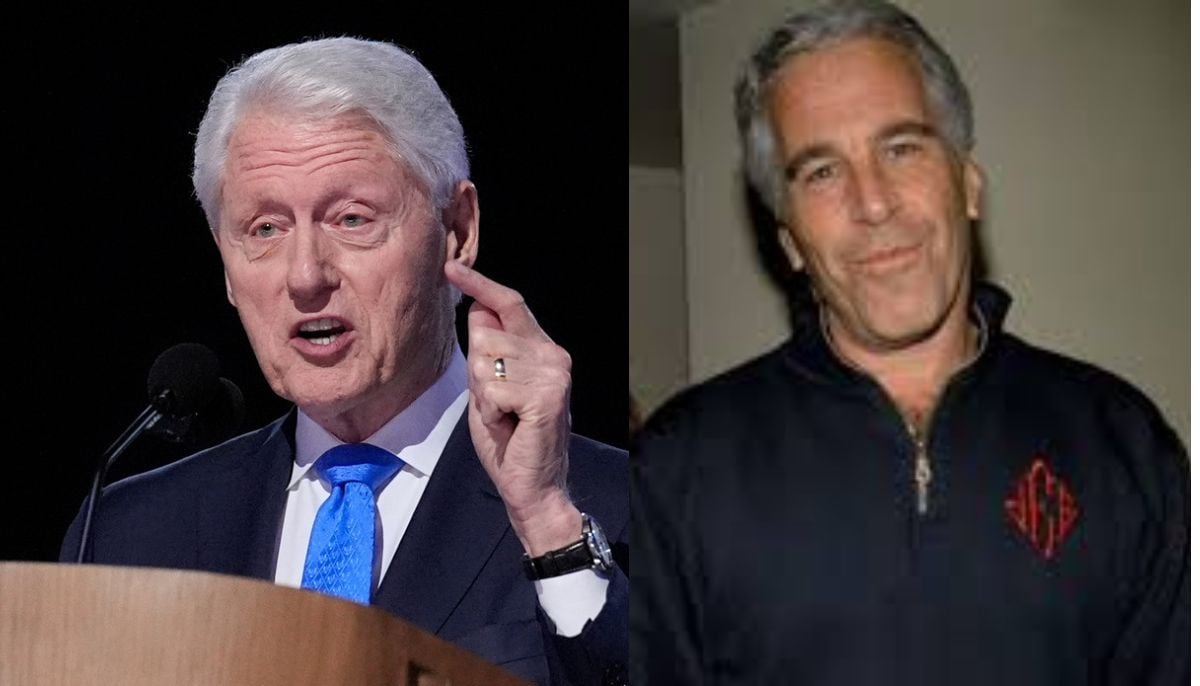 ‘I saw nothing’: Bill Clinton denies knowledge of Epstein’s crimes in House testimony
 -
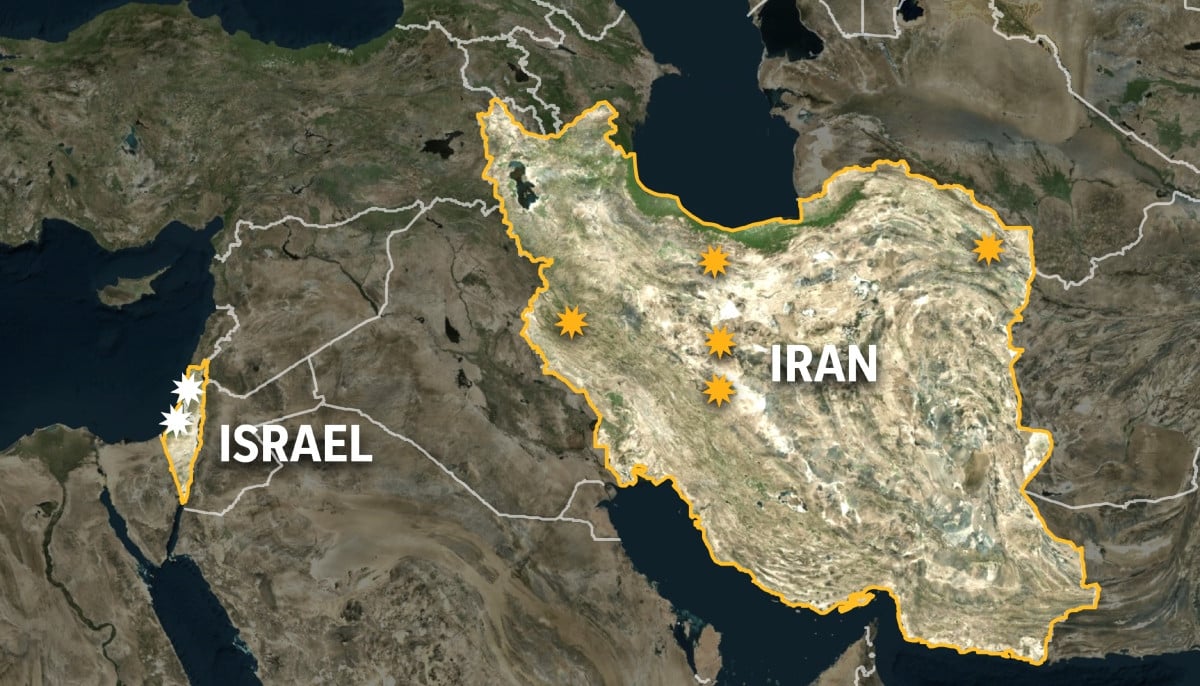 Israel launches attack on Iran's capital and declares state of emergency
 -
 At least 15 dead after military plane carrying new banknotes plunges out of control in Bolivia
 -
 Daniel Serafini gets life without parole in in-laws murder and attempted murder case
 -
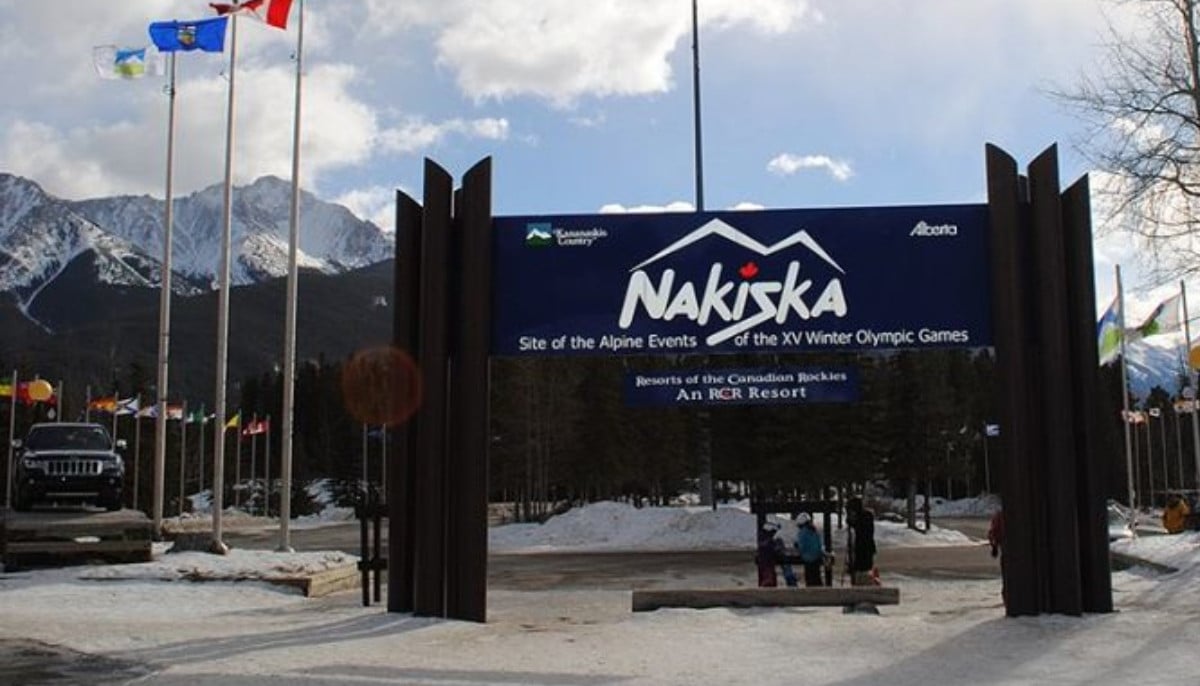 Nakiska Ski Area avalanche leaves youth unresponsive, second skier escapes unhurt
 -
 Igor Komarov missing in Bali: Seven foreign suspects arrested in kidnapping probe