Skin cancer can now be detected 'easily'
Warwick scientists find new way to detect skin cancer
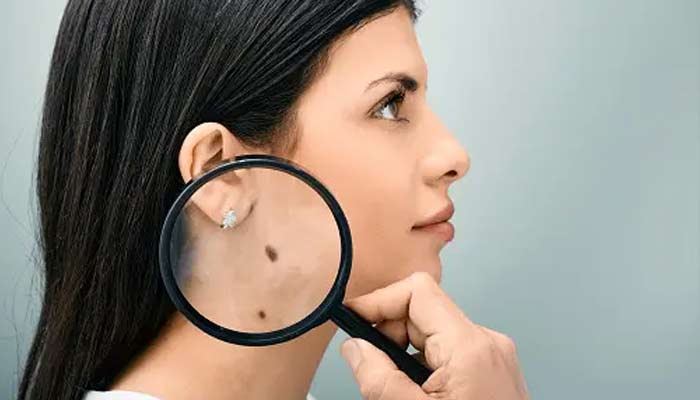
A new way to detect skin cancer has been formed by scientists at the University of Warwick.
With some early trials on patients already underway with the use of so-called Terahertz (THz) waves, the medical mission hopes to speed up surgery and help surgeons remove cancers while leaving as much healthy skin as possible.
These waves are used in remote controls and microwaves on the electromagnetic spectrum.
Additionally, they can be used in scans for mapping the extent of tumours more precisely.
Because it usually takes a hard time to actually generate, scientists refer to the terahertz "gap" as it is a bit of the spectrum.
However, that has started to change in the last few years, as scientists have now learned to make THz waves. It can now be made use of and this is what the research at Warwick is all about.
Professor Emma MacPherson demonstrated how THz waves are now being used to detect skin cancer, according to BBC.
She explained: "THz waves were a million times lower frequency than X-rays so it's really safe and it's really sensitive to subtle changes in water concentration."


-
 Virginia Sen. Louise Lucas indicted on racketeering and marijuana charges
 -
 France confirms world's first human case of Shamonda virus; patient dies
 -
 OpenAI agents uncover brain disease leads: Here’s how
 -
 AI tool can now predict cancer survival by a single patient selfie: Find out how
 -
 Scientists identify a new type of depression affecting 1 in 4 patients
 -
 Everything to know about US FDA’s new guidance on apps used with prescription drugs
 -
 ‘Immortal’ jellyfish could hold clues to slowing human ageing
 -
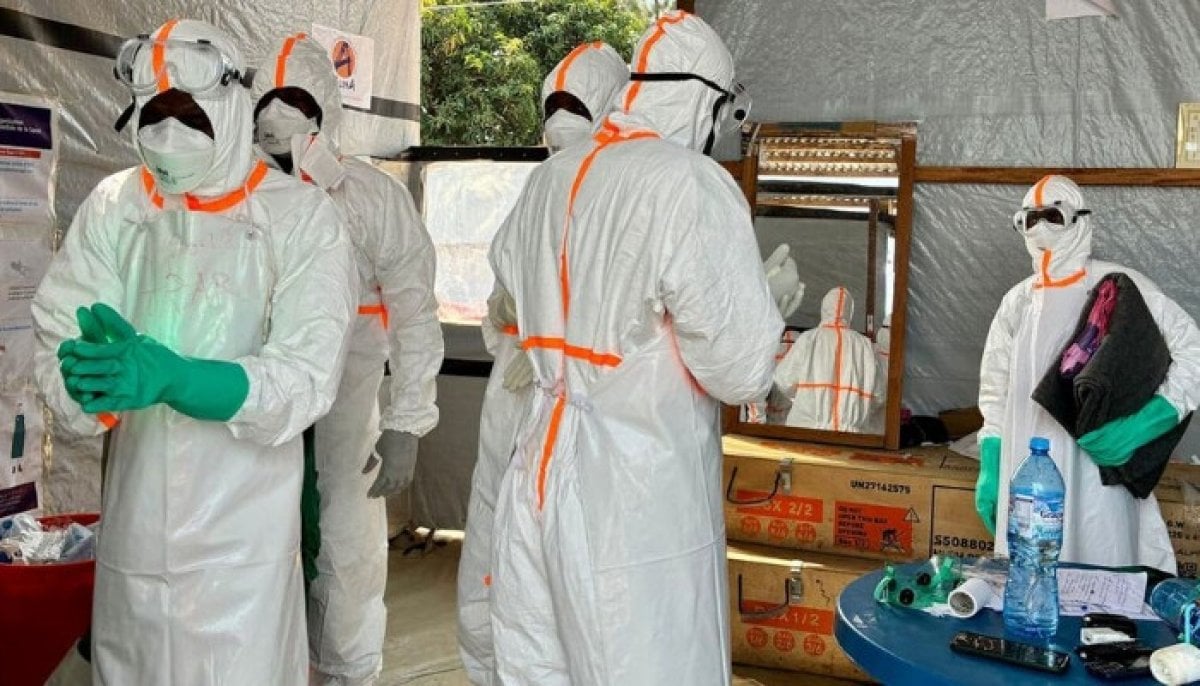 Ebola crisis worsens in DR Congo as virus reaches eighth province with over 4,500 dead
-
 Study finds eating blueberries every day can surprisingly boost your mood
 -
Eli Lilly’s Foundayo weight-loss pill gets European approval recommendation
-
What is BPC-157? Trump administration considers easing rules on popular peptide injections
-
West Nile virus: Europe reports 141 deaths as human cases rise in 2026