World's largest nuclear reactor, capable of providing unlimited forever energy, in making
Though it might sound like a Mandalorian ideology, ITER researchers assert that 'The Way' on Earth is moving towards an unthinkable objective
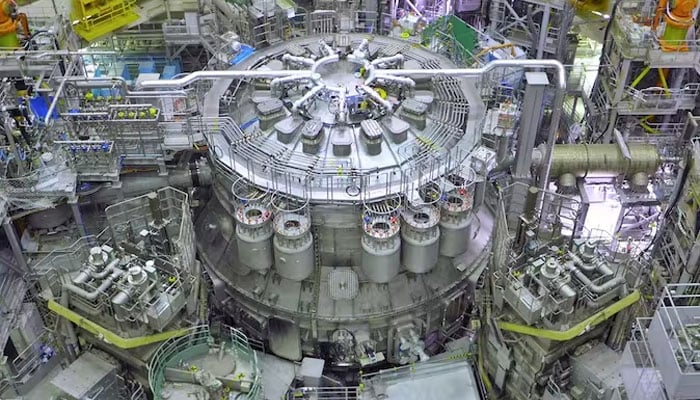
Scientists are attempting to harness fusion processes, the same energy source that powers the sun, at ITER, the International Thermonuclear Experimental Reactor (which is also Latin for "the way," as per the agency) to provide the Earth with unlimited energy.
Though it might sound like a Mandalorian ideology, ITER researchers assert that "The Way" on Earth is moving towards an unthinkable objective: endless energy, according to TCD.
If successful, the scientists in southern France might offer "arguably the most complex machine ever designed," as ITER's communications lead Laban Coblentz told Euronews Next, as a cleaner alternative to fossil fuels and nuclear fission.
Although there have been well-publicised nuclear energy-related accidents, the technology is stable when properly supervised by workers and shielded from environmental hazards like earthquakes. Nuclear energy is by no means a novel scientific concept.
The 436 nuclear reactors that are powered by fission require neutrons to be slammed into bigger atoms in order to break them into smaller particles and produce energy. Although radioactive waste is produced throughout the process, it does not release a large amount of greenhouse gases into the environment.
On the other hand, when two smaller particles collide, fusion creates a heavier atom. The US Department of Energy claims that the outcome is significantly more energy than fission and does not produce radioactive waste.
The goal of the ITER team is to demonstrate the process's industrialisation. The project has been theirs since at least 2005. The largest magnetic confinement chamber on Earth, referred to by the researchers as a tokamak, is one of the test subjects.


-
 NASA to brief public on Artemis III mission progress
 -
 ‘Time capsule beneath the sea’: World’s oldest shipwreck holds secrets from Great Pyramid era
 -
 NASA spots mysterious V-shaped scar stretching 700 light-years across space
 -
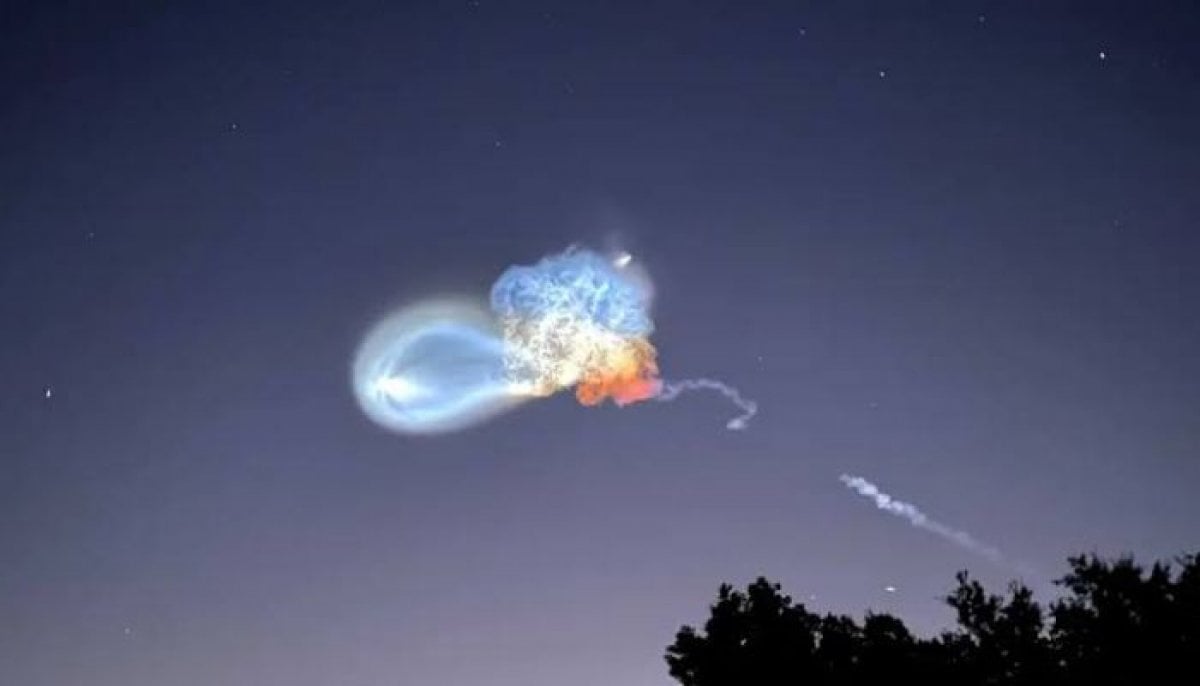 Space Jellyfish over Florida: What is that glowing cloud?
 -
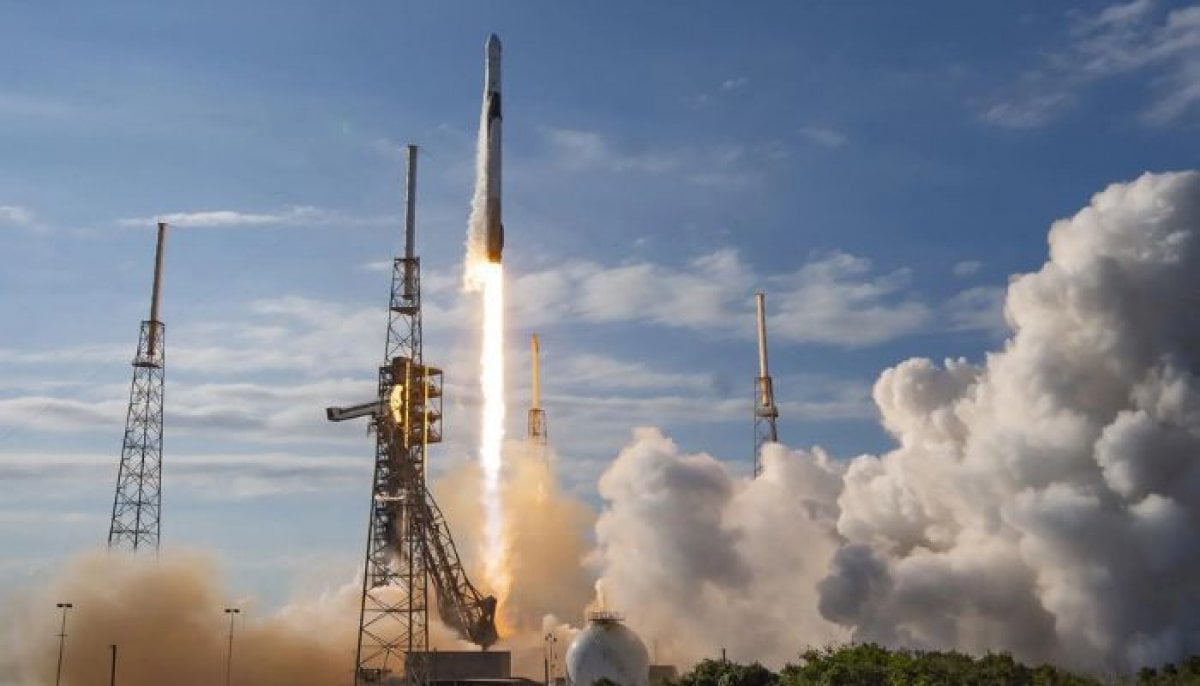 SpaceX Falcon 9 launches Dragon with 6,300 pounds of supplies to ISS
 -
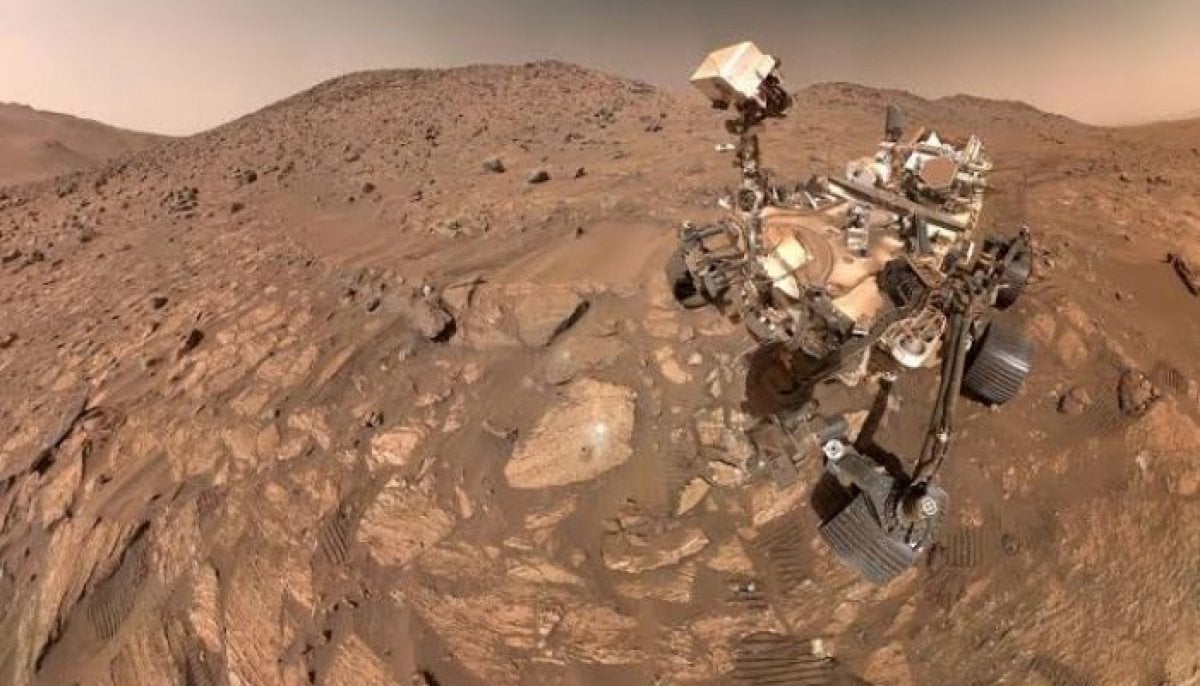 How far can a rover go? NASA’s Perseverance breaks Mars driving record
 -
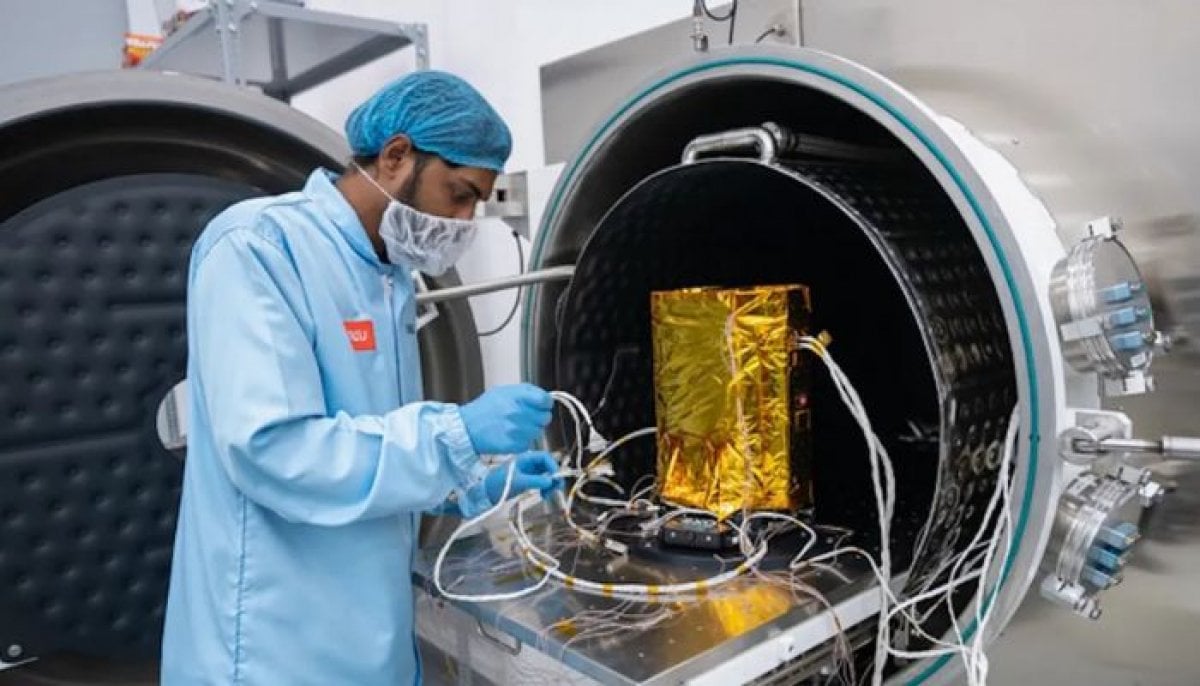 UAE builds asteroid lander designed to crash into its target
 -
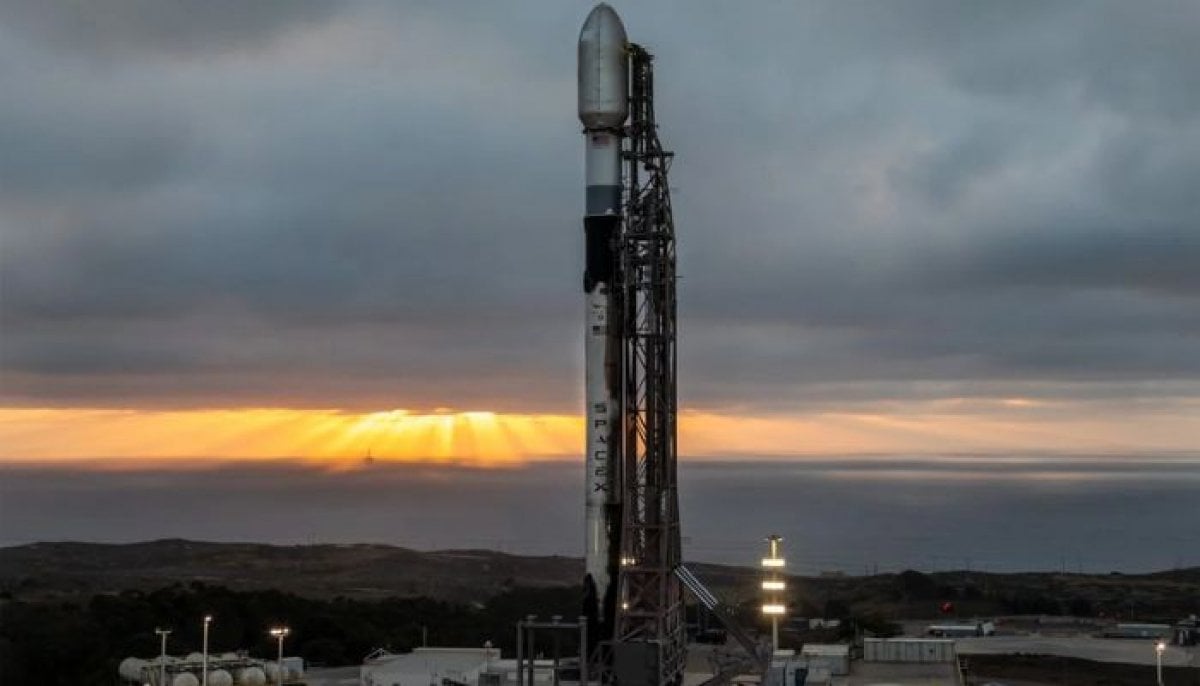 SpaceX Falcon 9 launches 21 military satellites into orbit