Elon Musk's SpaceX places first direct-to-cell Starlinks to orbit
Elon Musk's SpaceX launches twenty-one Starlink satellites into low Earth orbit

Elon Musk's SpaceX has placed the first six direct-to-cell-capable Starlink satellites into orbit after a successful launch on Wednesday.
A group of twenty-one Starlink satellites were launched into low Earth orbit today at 03:44 UTC from Space Launch Complex 4 East (SLS-4E) at Vandenberg Space Force Base in California. It is currently 296 launches, 260 landings, and 231 flights for SpaceX.
The most noteworthy component of the payload, despite the launch being regular, is the cell-capable satellites, which the corporation claims will offer "seamless access to text, voice, and data for LTE phones across the globe."
Weeks after SpaceX was given the go-ahead by the Federal Communications Commission (FCC) to begin service testing, the mission was launched. The corporation has 180 days to obtain the "experimental" authority it needs to begin testing, according to the FDA.
Approximately 840 satellites with direct-to-cellular payloads—of which about 60 would service US handsets at any given time—would be used for the testing, according to SpaceX's proposal.
In addition, SpaceX said, "The enhanced Starlink satellites have an advanced modem that acts as a cellphone tower in space, eliminating deadzones with network integration similar to a standard roaming partner."
In the conflict between the billionaire constellations, the launch creates a new front.
Production versions of Jeff Bezos' Project Kuiper will eventually orbit alongside the initial prototype satellites undergoing testing. To make the service commercially available, SpaceX intends to leverage cellular spectrum from its mobile partners, T-Mobile in the US.


-
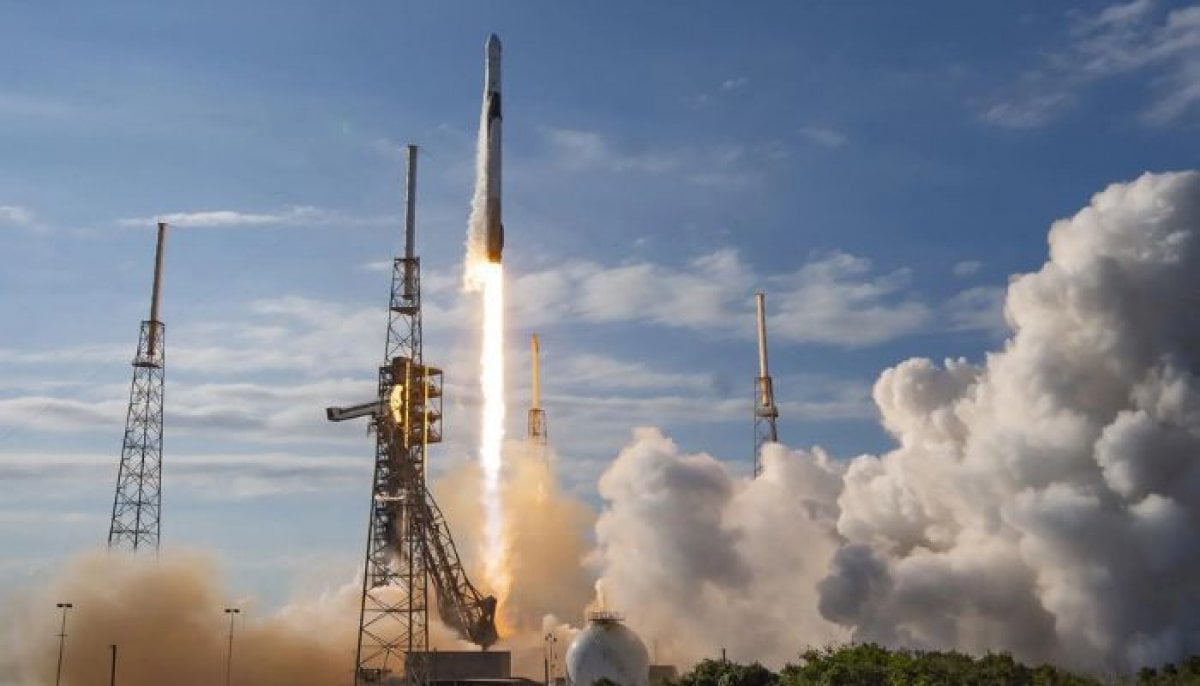 SpaceX Falcon 9 launches Dragon with 6,300 pounds of supplies to ISS
 -
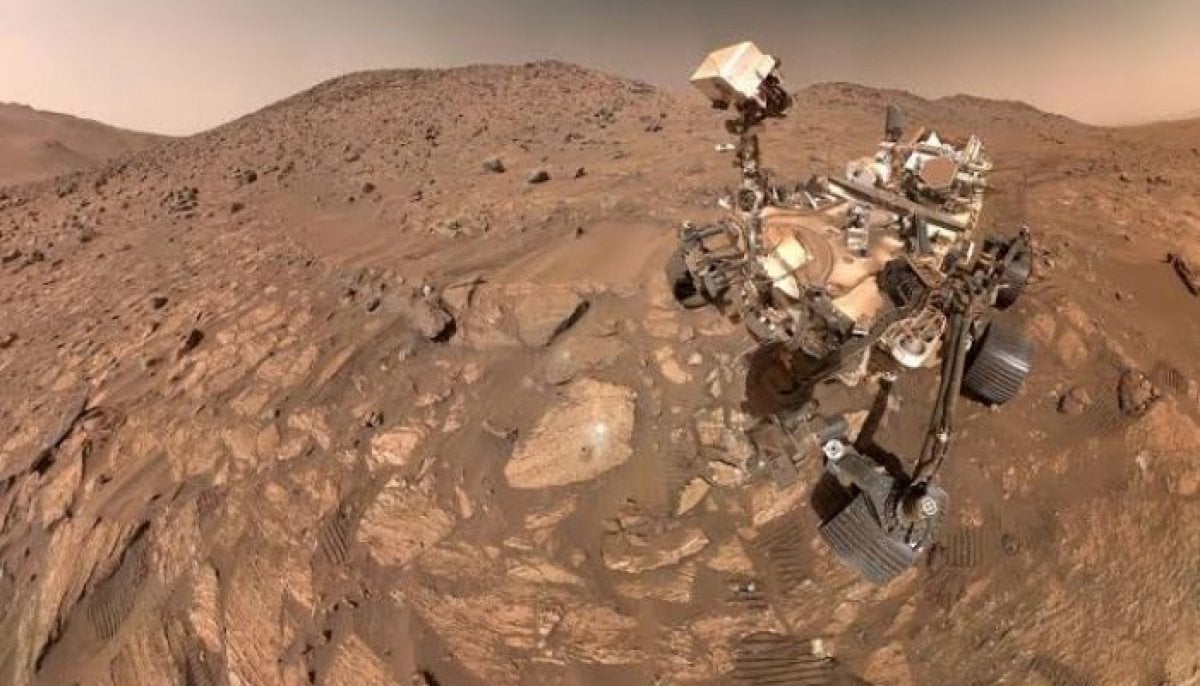 How far can a rover go? NASA’s Perseverance breaks Mars driving record
 -
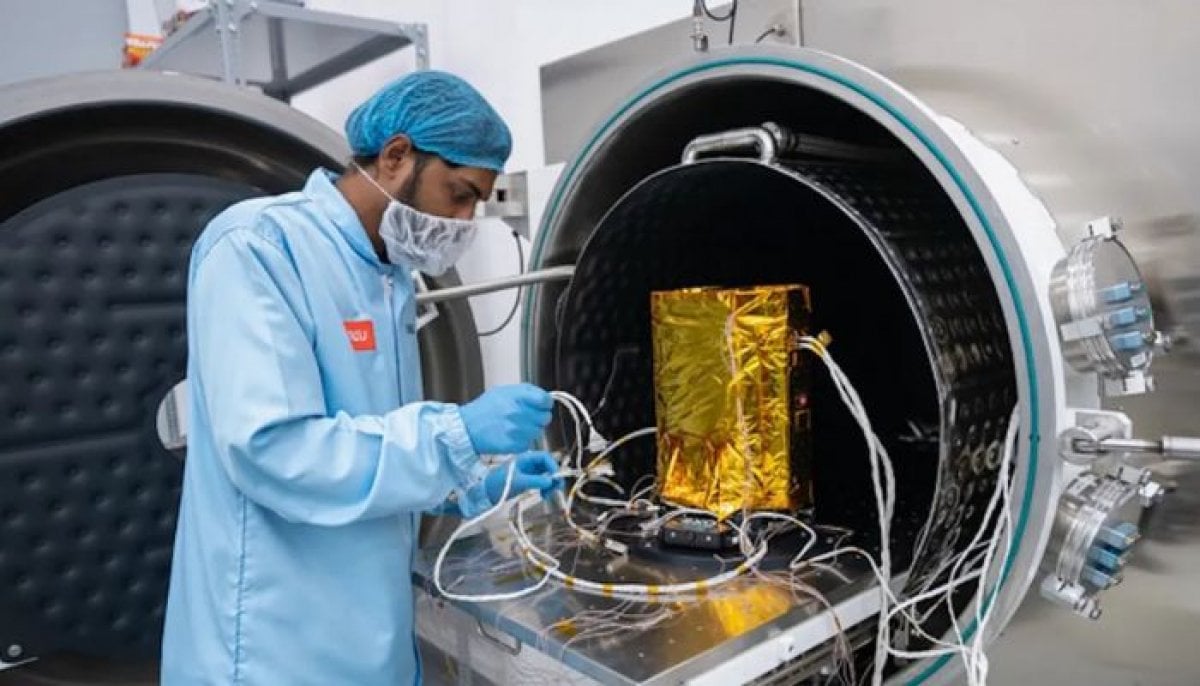 UAE builds asteroid lander designed to crash into its target
 -
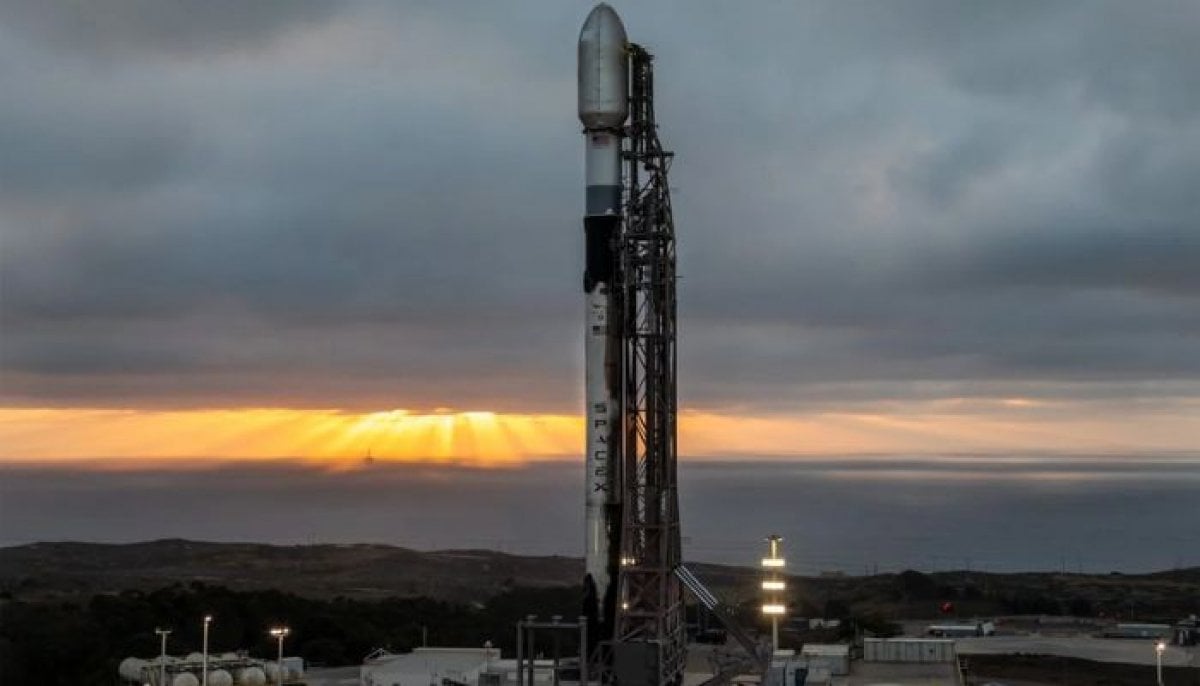 SpaceX Falcon 9 launches 21 military satellites into orbit
 -
 Could a newly engineered microbe help humanity survive on Mars?
 -
 Astronomers find most distant fast radio burst ever recorded
 -
 Draconid meteor shower tonight: Best time and places to see it
 -
 ‘A dream for 50 years’: Why world’s first nuclear clock could change timekeeping