We may be living in simulation — here's how to tell what is not real
There are multiple hints in our lives that point to us being only characters in sophisticated virtual environment, says expert

People may be right if they feel as though they're living in a computer simulation similar to The Matrix controlled by some external entity.
Melvin Vopson, an associate professor of physics at the University of Portsmouth, says as much.
He believes there are multiple hints in our lives that point to us being only characters in a sophisticated virtual environment, and he intends to conduct an experiment to support his theory.
For instance, the expert claims that the fact that sound and light have speed limits indicates that computer processor speed may be involved.
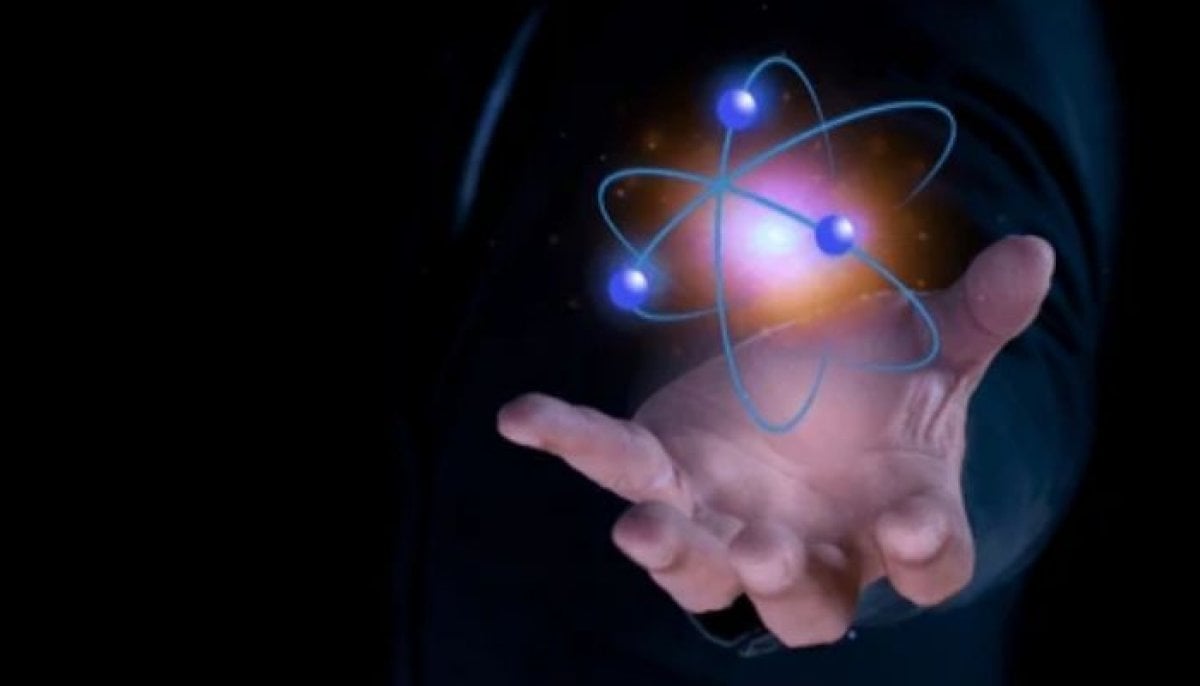
He also compares the fundamental particles that makeup matter to pixels and the rules of physics that govern the cosmos to computer code.
But the symmetry we see in everything from snowflakes to starfish, butterflies to flowers, is one of the most compelling hints.
Symmetry is everywhere because it's how the machines "render the digitally constructed world", Professor Vopson told MailOnline.
"This abundance of symmetry (rather than asymmetry) in the universe is something that has never been explained," he said.
"When we build or design things we have to use the most symmetric shapes to simplify the process."
"Just imagine building a house from bricks that are not the standard shape of a brick."
"If the bricks were in a totally irregular shape, the construction would be almost impossible or much more complicated."
"The same is when we design computer programs or virtual realities – and this maximises efficiency and minimises energy consumption or computational power," he said.


-
 A ‘neglected’ neutrino may hold the key to why the Universe exists
 -
 Can cancer drugs be made in space? Here’s what the new mission aims to find out
 -
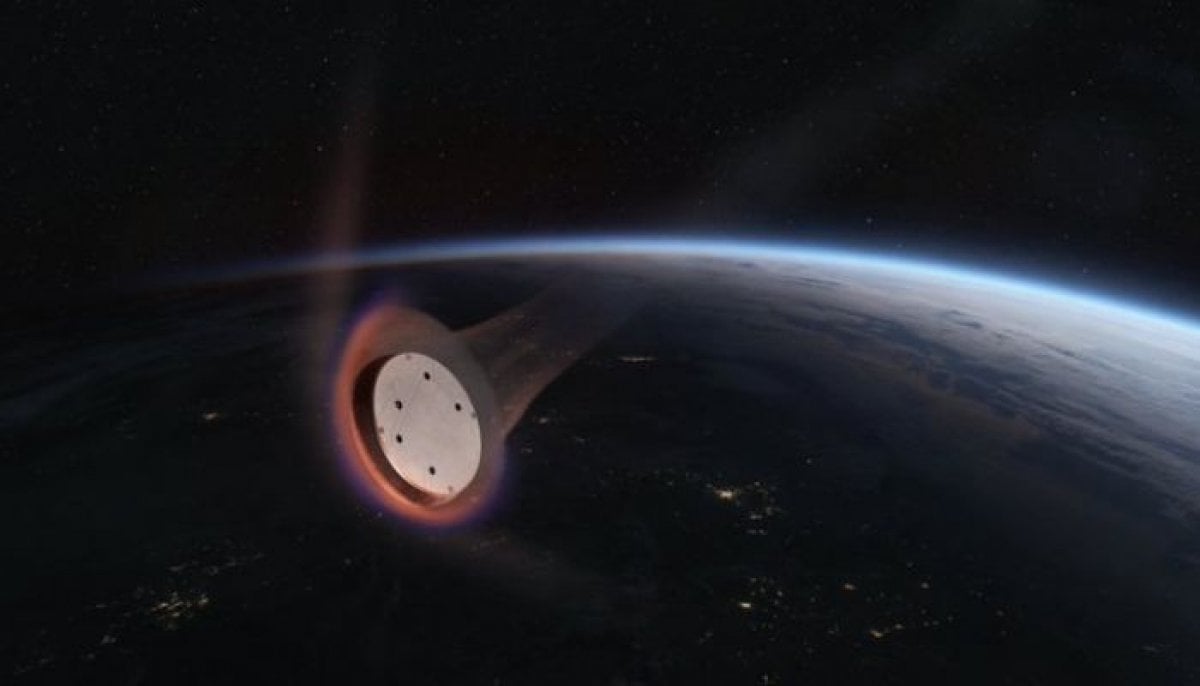 SpaceX Falcon 9 successfully launches Bandwagon-5 mission with 32 payloads
 -
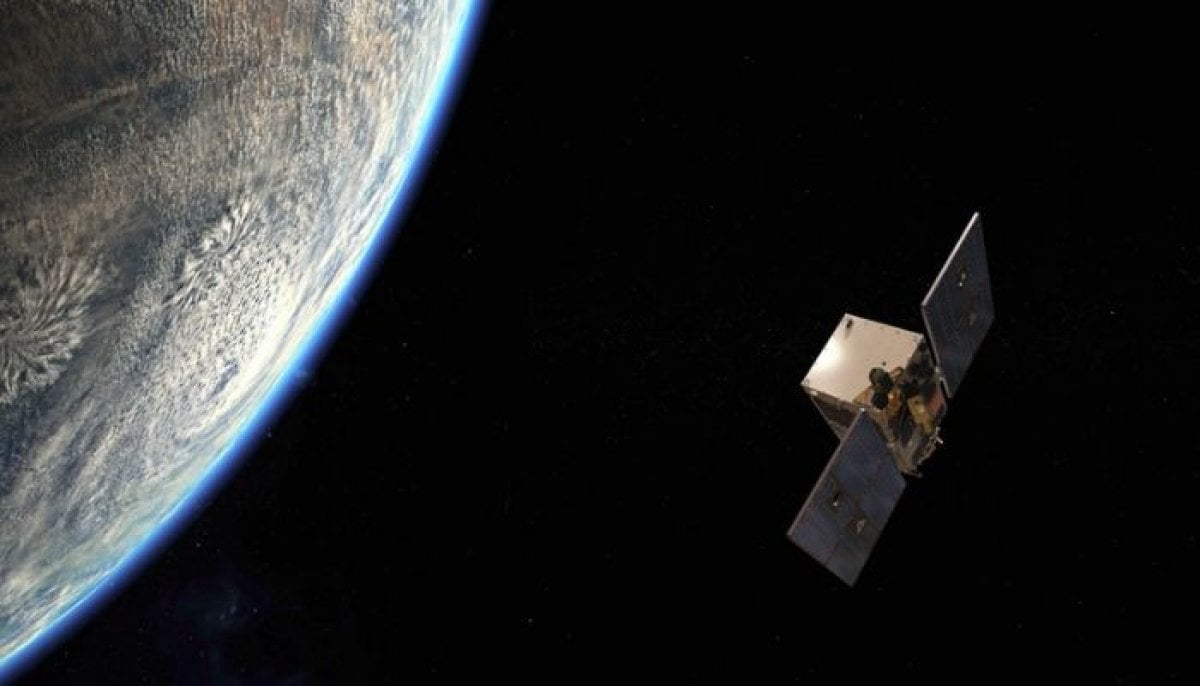 Europe launched 8 orbital rockets last year, can it rival Starlink?
 -
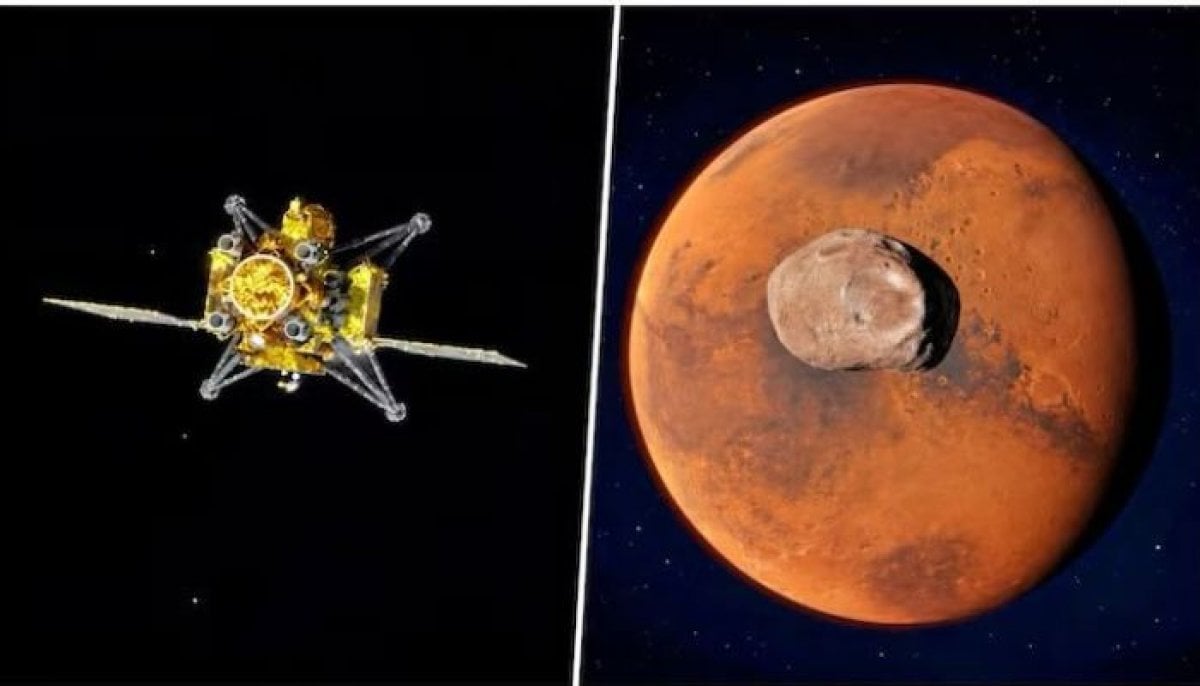 Japan launches world’s first mission to bring sample back from phobos
 -
 Orionid meteor shower 2026: Peak date, viewing tips and what to expect
 -
 Why Mars looks blue in NASA’s unedited curiosity panorama?
 -
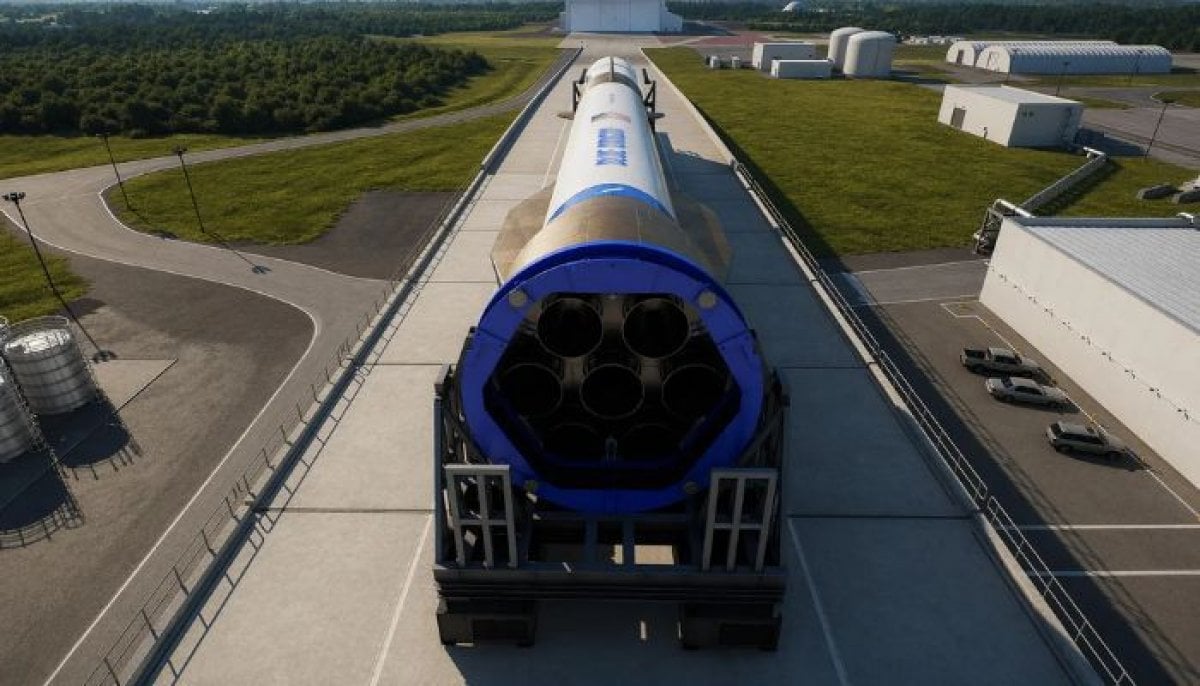 Blue Origin upgrades new Glenn rocket launch infrastructure to take on SpaceX