Why are women outliving men by six years on average? Harvard study reveals
COVID-19 and opioid overdose epidemic identified as primary contributors to this disparity
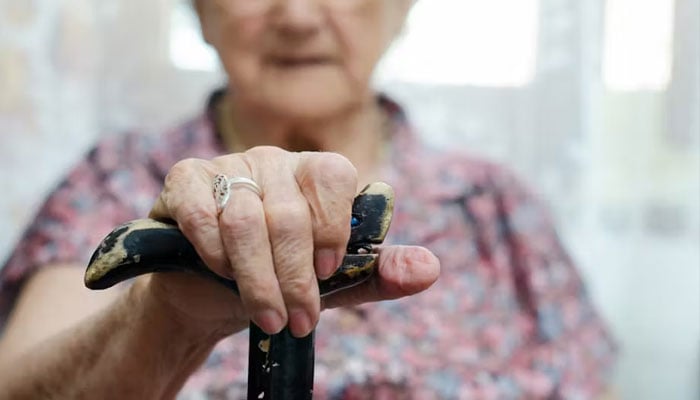
A recent study by the Harvard School of Public Health and the University of California, San Francisco has revealed an alarming trend in the United States, as American men now face a life expectancy nearly six years shorter than their female counterparts.
The study also indicates that the overall life expectancy in the country has experienced a decline, marking the largest gender gap in nearly 30 years, with COVID-19 and the opioid overdose epidemic identified as primary contributors to this disparity.
Alan C. Geller, a senior lecturer on social and behavioural sciences at HSPH and co-author of the study, highlights the significant shift in the gender life expectancy gap over a brief period, stating, “Over just a three-year period — so from 2019 to 2021 — it increased by 0.70 years.” Geller attributes this acceleration to the dominance of COVID-19 and unintentional injuries, primarily drug overdoses, as key factors.
The study, examining data from death certificates between 2010 and 2021, identifies diabetes, heart disease, and "deaths of despair" (related to suicide, drug use disorders, and alcoholism) as additional contributors to the growing difference in life expectancy between men and women.
Geller emphasises the role of opioid addiction in this concerning trend, stating, “It appears that men are more likely to be using harder drugs and are tragically suffering the ramifications of it.” Without substantial changes and improved policies to address opioid addiction, Geller remains sceptical about any immediate improvement in the situation.
Regarding the impact of the COVID-19 pandemic on life expectancy, Geller anticipates that the disparity between men and women will persist, citing higher infection rates in men. He underscores the need for preventative strategies, emphasising the importance of addressing the root causes behind greater infections and overdoses.
Geller concludes by emphasising the urgent need for comprehensive prevention strategies, advocating for fewer guns, reduced drug availability, and enhanced access to vaccines. The study signals a critical call to action to address the multifaceted factors contributing to the widening gender gap in life expectancy.


-
 April’s Pink Moon 2026: How to see the full moon in all its glory
 -
 First-ever primordial black hole discovery? Scientists reveal breakthrough
 -
 NASA Artemis II: Flight plan, risks and how it prepares humans for Mars
 -
 Superbugs on rise as climate change drives antibiotic resistance, study finds
 -
 Brain holds secret memory system, study finds
 -
 How to watch NASA's Artemis II moon launch live on April 1
 -
 New study shows dark spots in light waves outrunning the speed of light
 -
 Did you know Project Hail Mary features real astrophotography shots?
-
 Teleportation breakthrough at quantum level—Will humans ever travel this way?
 -
NASA faces medical mystery as veteran astronaut suddenly loses speech in space
-
NASA Artemis II astronauts begin final countdown for moon mission
-
Scientists discover alien-like systems shaping habitable planets
-
Japan ispace delays NASA-backed moon landing to 2030
-
Space babies: Can humans really reproduce beyond Earth?
-
Jupiter lightning proves far more powerful than Earth
-
NASA Artemis II moon mission ready to take off: Here’s everything to know
-
How dogs became man’s best friend 15,800 years ago: New study reveals
-
Real-life ‘Project Hail Mary’ moment: 45 planets that may support alien life discovered