Did you know Project Hail Mary features real astrophotography shots?
Brisbane photographer shares how real astronomical data makes its way onto big screen
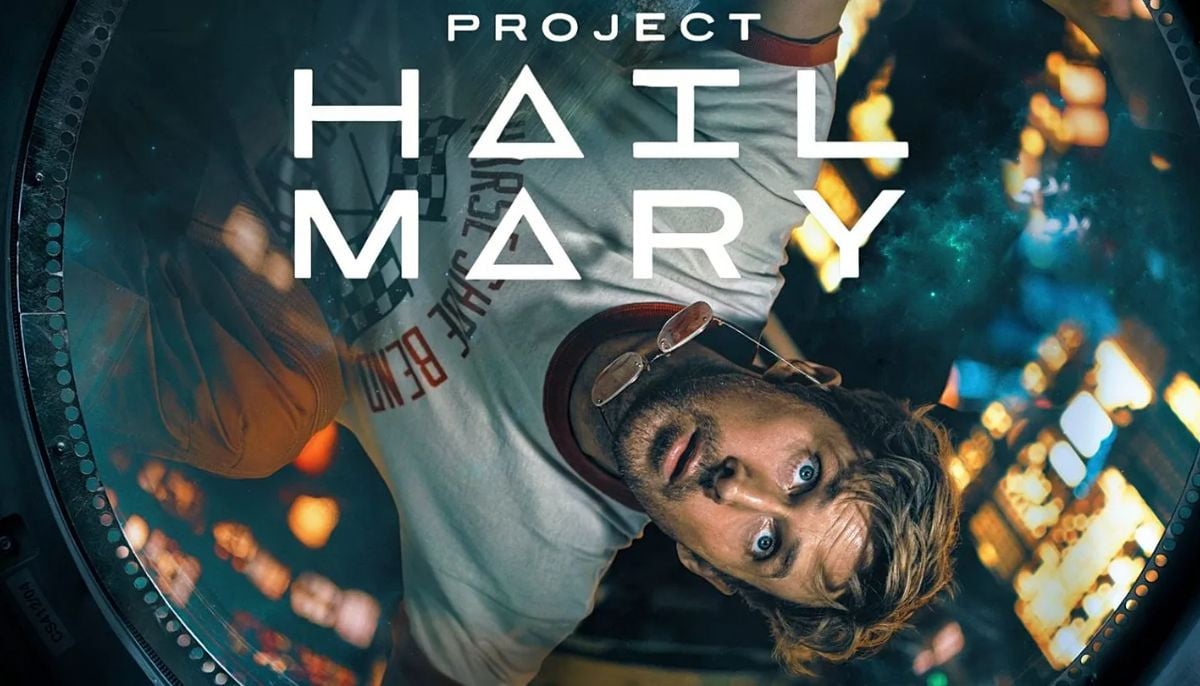
A backyard astrophotographer from Brisbane, Australia, has seen his work reach global audiences as his deep space images appear in the end credits of Project Hail Mary. The film stars Ryan Gosling as Dr Ryland Grace.
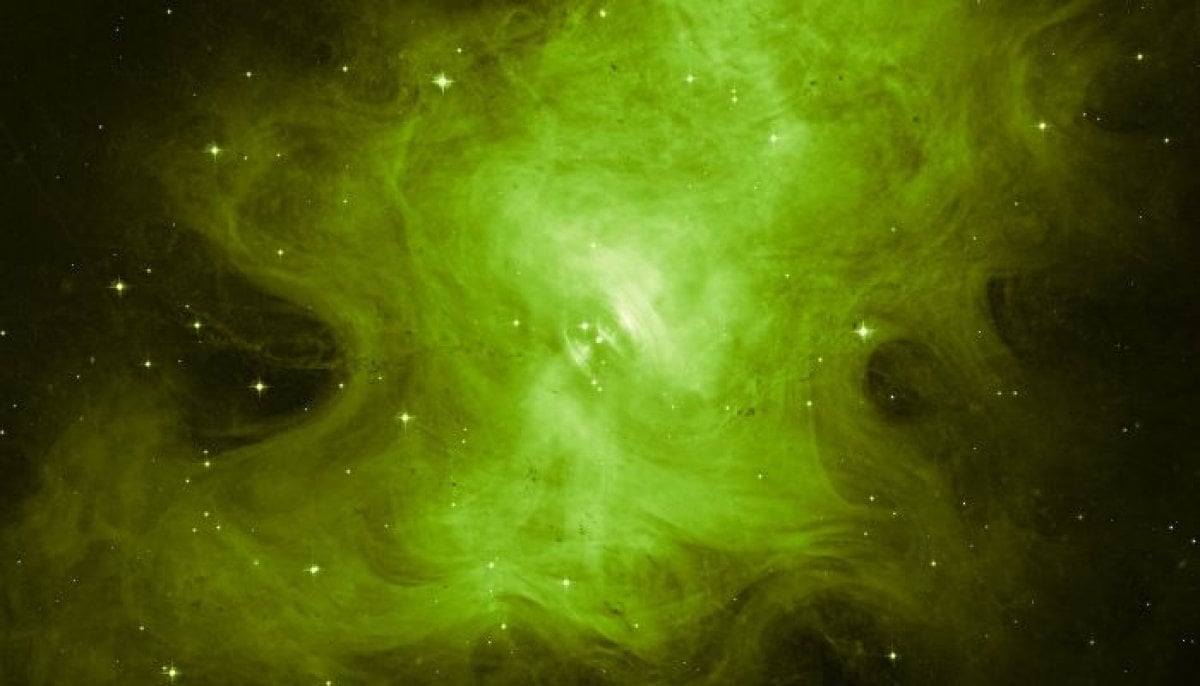
Photographer Rod Prazeres’ images of galaxies and nebulae have been used in various cinemas around the world. The collaboration started when a Los Angeles production company found his photos on Instagram. They then contacted him to feature his photos in the final scene of the movie.
From backyard to Project Hail Mary
Brisbane-based astrophotographer Prazeres told PetaPixel that the opportunity should not exist because it seems too unreal to be possible. He spent multiple years capturing deep space images from his suburban backyard after he started learning astrophotography in 2023. The Hollywood message marked a turning point in his journey.
_updates.jpg)
According to Prazeres, the filmmakers had intended to use his images elsewhere in the film. However, due to some creative changes, they ended up using his images at the end credits. Prazeres described it as a proud moment, especially considering that they used real data.
Prazeares takes deep-space photographs by using a motorised mount that tracks the night sky as the Earth rotates. He takes many long exposures, sometimes as long as 10 minutes, over several nights. Special narrowband filters like hydrogen alpha and oxygen III are used to highlight faint structures in space.
_updates.jpg)
The photographs are then processed by calibration, alignment, and stacking of the images. He also provided starless versions of the photographs for the film. What’s more, he confirmed that he does not use any generative AI.


-
 Can cancer drugs be made in space? Here’s what the new mission aims to find out
 -
 SpaceX Falcon 9 successfully launches Bandwagon-5 mission with 32 payloads
 -
 Europe launched 8 orbital rockets last year, can it rival Starlink?
 -
 Japan launches world’s first mission to bring sample back from phobos
 -
 Orionid meteor shower 2026: Peak date, viewing tips and what to expect
 -
 Why Mars looks blue in NASA’s unedited curiosity panorama?
 -
 Blue Origin upgrades new Glenn rocket launch infrastructure to take on SpaceX
 -
 NASA’s next Mars mission targets Phobos and Deimos, not Red Planet