
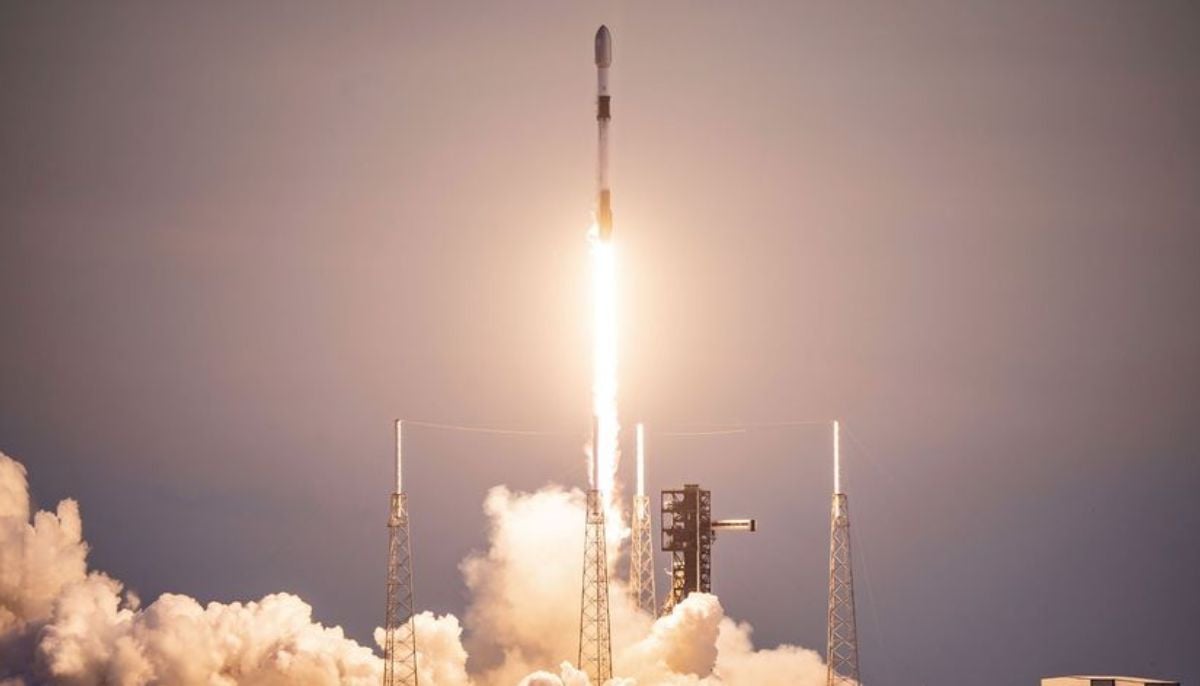
Dangers of Starlink: Elon Musk's SpaceX rejects FAA report
To be clear, SpaceX’s satellites are designed and built to fully demise during atmospheric reentry, says Elon Musk's company
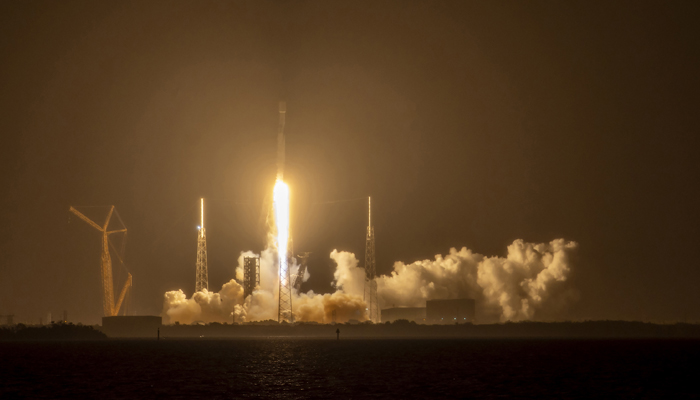
Days after a report by the Federal Aviation Administration (FAA) suggested a profound risk to people on Earth posed by Elon Musk's Starlink satellites, SpaceX urged the regulator to "improvise the findings" by terming them "preposterous, unjustified, and inaccurate".
The response was published in a letter Tuesday by Elon Musk's aerospace company maintaining that the report relied "on a deeply flawed analysis that falsely characterises reentry disposal risks associated with Starlink."
"To be clear, SpaceX’s satellites are designed and built to fully demise during atmospheric reentry during disposal at end of life, and they do so," the company's letter noted.
SpaceX — which is headed by Musk — also alleged the Aerospace Corporation — the non-profit group that contributed to the report — for not mentioning the analysis of SpaceX pertaining to the satellite disposal.
The federal regulators handed the report to the members of Congress on October 5.
The report painted a bleak picture of the dangers posed by the constellation the Musk’s Starlink satellite. It suggested: "By 2035 if the expected large constellation growth is realised and debris from Starlink satellites survive reentry … one person on the planet would be expected to be injured or killed every two years."
According to the report’s estimation, the probability of an aircraft suffering an accident with falling space debris could be 0.0007 per year by 2035.
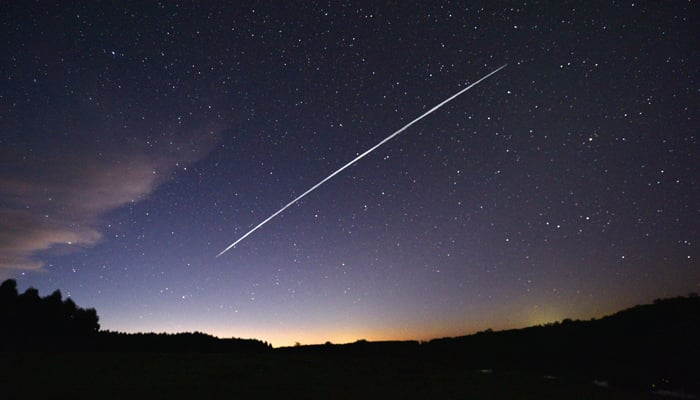
SpaceX explained in its report that 325 satellites were deorbited since February 2020, and no debris has been found.
In a statement issued Tuesday afternoon, the Aerospace Corporation said: "Our technical team is in communication with SpaceX and others to review and update the data."
"It was approached by the FAA more than two years ago to do an independent assessment of collective risks associated with satellite re-entry, based upon the projection of all planned operators under US regulation in 2021," it stated in a statement.
“The data included existing and planned constellations through 2035. The greatest percentage of satellites were those in Low Earth Orbit.”
Falling debris and risks
It was acknowledged by the FAA that Starlink satellites fully burn up in the atmosphere when they fall back to Earth at the end of service, posing no risk.
But The Aerospace Corporation noted that “with the thousands of satellites expected to reenter, even a small amount of debris can impose a significant risk over time."
SpaceX while rejecting the report regarded the assessment based on “egregious errors, omissions and incorrect assumptions."
SpaceX also criticised the report for focusing “only on Starlink, disregarding other satellite systems like Amazon’s Project Kuiper, OneWeb, or any of the LEO systems being developed and deployed by China."
The report noted that by 2035, Elon Musk’s satellites will account for “85% of the expected risk to people on the ground and aviation."



-
 World oceans absorbed record heat in 2025, may trigger intense climate crises, says report
 -
 February full moon 2026: Snow Moon date, time and visibility
 -
 Watch: Beautiful northern lights dazzling over Greenland's skies
 -
 Wildfires are polluting our environment more than we thought: Find out how
 -
 3I/ATLAS flyby: Why is Jupiter’s 96th Moon drawing intense scientific interest?
 -
 NASA spacewalk 2026: Medical issue prompts rare talk of early ISS crew return
 -
 Comet 3I/ATLAS: Scientists examining images they cannot easily explain
 -
 Wolf Moon 2026: Will the full moon outshine the Quadrantid meteor shower?