Saturn in opposition puts on night sky show for skywatchers
Many astronomers recommend to view Saturn at least once in their lives, among all the planets that may be seen
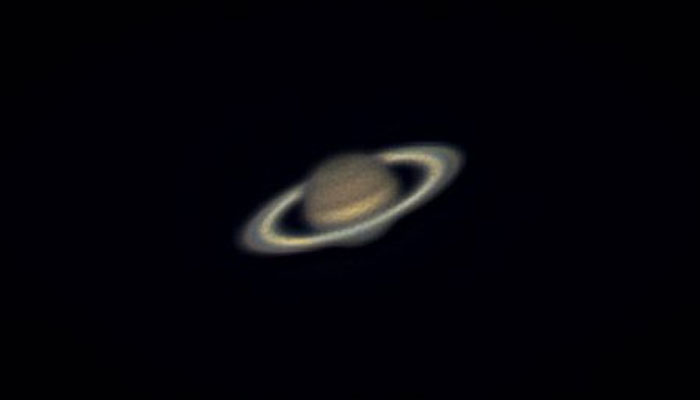
Skywatchers were delighted to feast their eyes upon a stunning view of Saturn during the night sky as the giant planet reached opposition over the weekend positioning itself directly opposite the sun.
Planets at opposition rise just after sunset and are visible until dawn. It also means this is the biggest and brightest Saturn will appear all year long, although it will continue to look bigger and brighter in the weeks following opposition. Saturn will be visible until next February as well.
When planets are in opposition, they rise after sunset and remain visible until dawn and viewing Saturn in opposition was the ideal time to see the planet as it was at its largest and brightest all year
However, it will continue to appear bigger and brighter in the weeks after opposition and will be visible until February of next year.
Saturn is the 6th planet from the sun and is the only planet people are able to view from the farthest distance of 800 million miles away from Earth with the naked eye.
Locals on Sunday, headed outside to look toward the southeast to view the giant planet, a bright yellowish “star” all through the night until sunrise, ABC News 5.
While they were able to view the planet with binoculars, some skywatchers captured detailed images of Saturn, its rings and its moons with the help of their telescope.
Many astronomers recommend that everyone view Saturn at least once in their lives, among all the planets that may be seen.
The weather was cool and clear to observe Saturn in opposition.
Furthermore, the Super Blue moon is expected to occur on August 30 as well.
A supermoon happens when the moon is full while its orbit is at its closest point to Earth, making it appear larger and brighter than a typical full moon. The second full moon in a month is known as a "blue moon."


-
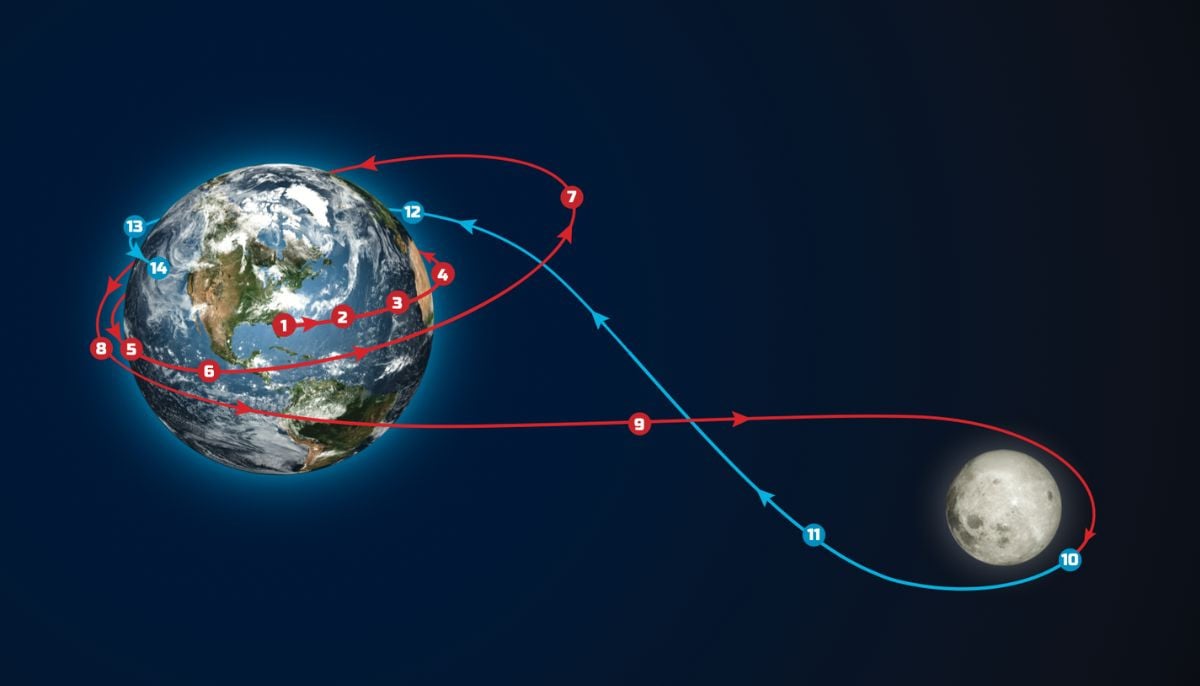 Why NASA Artemis II won’t take straight path to Moon: ‘Figure-8’ route explained
 -
 Even in space: NASA Artemis II astronauts hit Outlook glitch mid-mission
 -
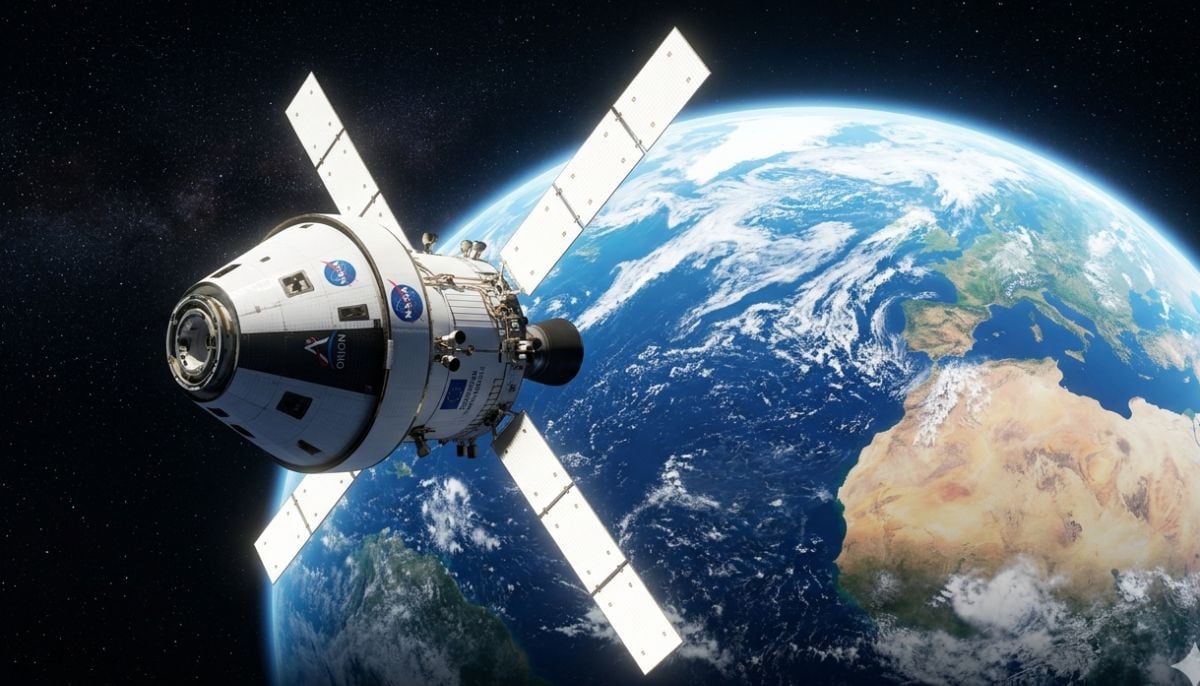 Artemis II hurtles ever closer to the lunar far side
 -
 Where is Artemis II today? Here is everything to know about NASA’s journey to the moon
 -
 European Space Agency to negotiate with NASA on future lunar missions
 -
 SpaceX AI satellites plan raises doubts after Microsoft setback
 -
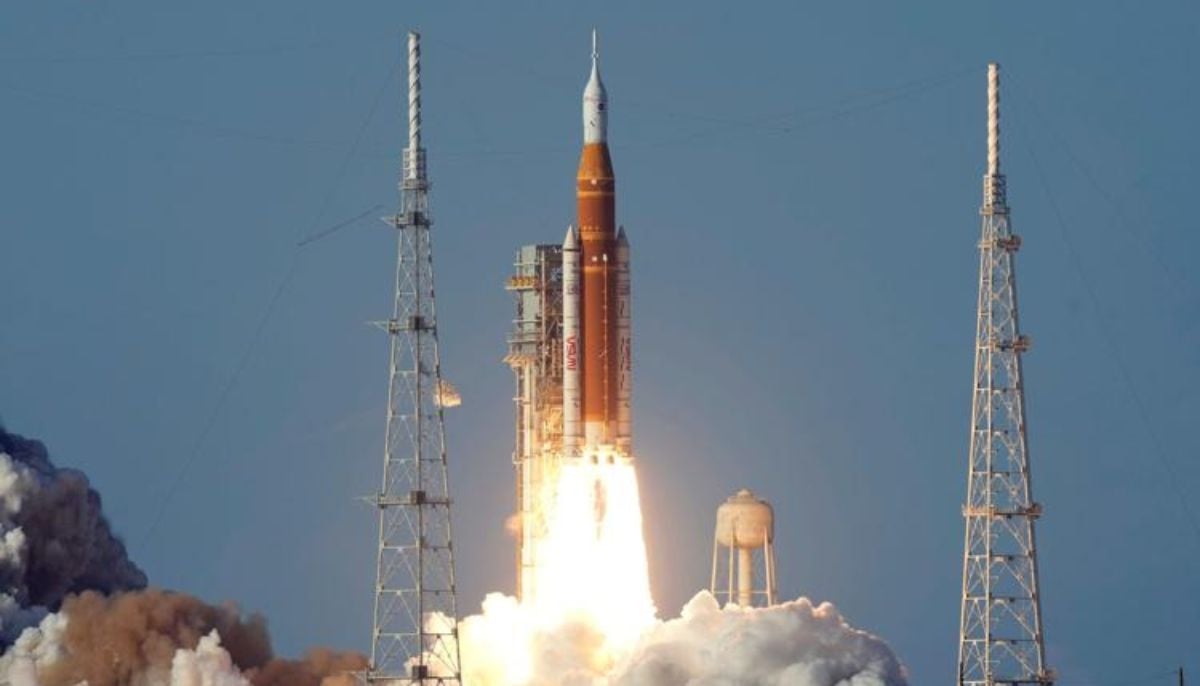
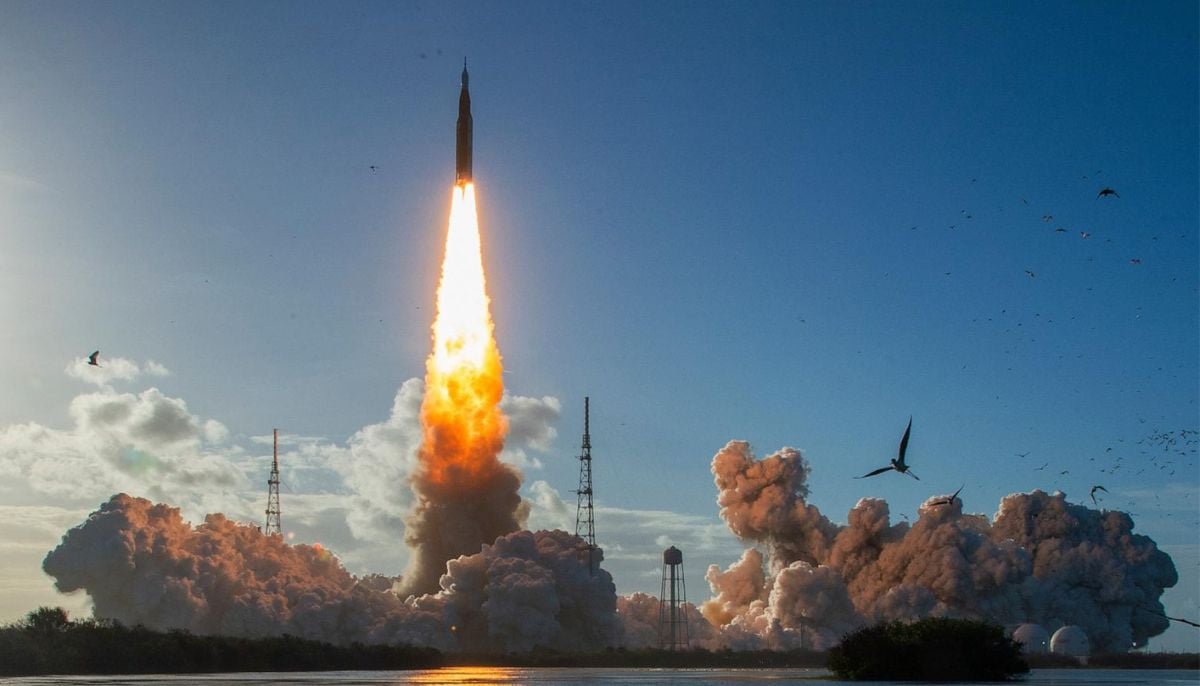
 NASA Artemis II lifts off, sending cubesats into deep space study
 -
 Could there be life on Mars? NASA Jared Isaacman claims chances are 90%