FIFA report exposes 20,000 abusive social media posts during 2022 World Cup
These abusive messages originated from approximately 12,600 different accounts

A recently released FIFA report highlights the prevalence of online abuse during the 2022 World Cup in Qatar, uncovering almost 20,000 abusive social media posts directed towards players, officials, and coaches. The report reveals that monitoring software utilising artificial intelligence (AI) was instrumental in analyzing over 20 million posts and comments across major social media platforms. Impressively, the software successfully identified 306 individuals behind the abusive messages.
FIFA collaborated with the global players' union FIFPro to conduct a comprehensive study, aiming to address the issue of online abuse in football. As a result, FIFA has committed to working with law enforcement agencies to present evidence packs and pursue legal action against those whose abusive messages breach criminal thresholds.
The monitoring system responsible for these findings is known as the social media protection service (SMPS). Besides detecting and flagging abusive content, the SMPS also shields players from such online abuse. FIFA plans to extend the availability of this software to teams, players, and coaches during the upcoming Women's World Cup, scheduled to begin on July 20.
In addition to monitoring abusive posts, the software also analyzed accounts belonging to national teams, former players, and media members. AI flagged a substantial total of 434,000 posts, which were subsequently reviewed by human moderators. These abusive messages originated from approximately 12,600 different accounts. Notably, the software preemptively blocked 287,000 abusive comments before they reached their intended recipients.
Canada Men's National Team defender Mark-Anthony Kaye shed light on the impact of online abuse, stating that players often face stigma when discussing its effects. Despite being professional athletes, they are not impervious to the emotional toll inflicted by hurtful comments. Kaye emphasised that dismissing online abuse as something that can be easily ignored is far from the truth—it deeply affects both the players and their families.
The report also provides insights into the geographical distribution of abusive messages, with 38% originating from Europe, 36% from South America, 10% from Asia, 8% from Africa, and 8% from North and Central America. The abusive content encompassed various forms of discrimination, including 13.7% related to sexism, 12.16% to homophobia, and 10.7% to racism.
Country-wise, France received the highest number of abusive messages, followed by England and Brazil. The quarterfinal match between England and France witnessed a significant surge in abusive messages, accumulating around 13,000 reported and moderated posts and comments across all social media platforms.
Kellyn Acosta, a player from the US Men's National Team, called for an end to online abuse and emphasised the need to acknowledge the humanity of athletes. Acosta highlighted that athletes are affected by hurtful online comments that extend beyond their performance on the field.


-
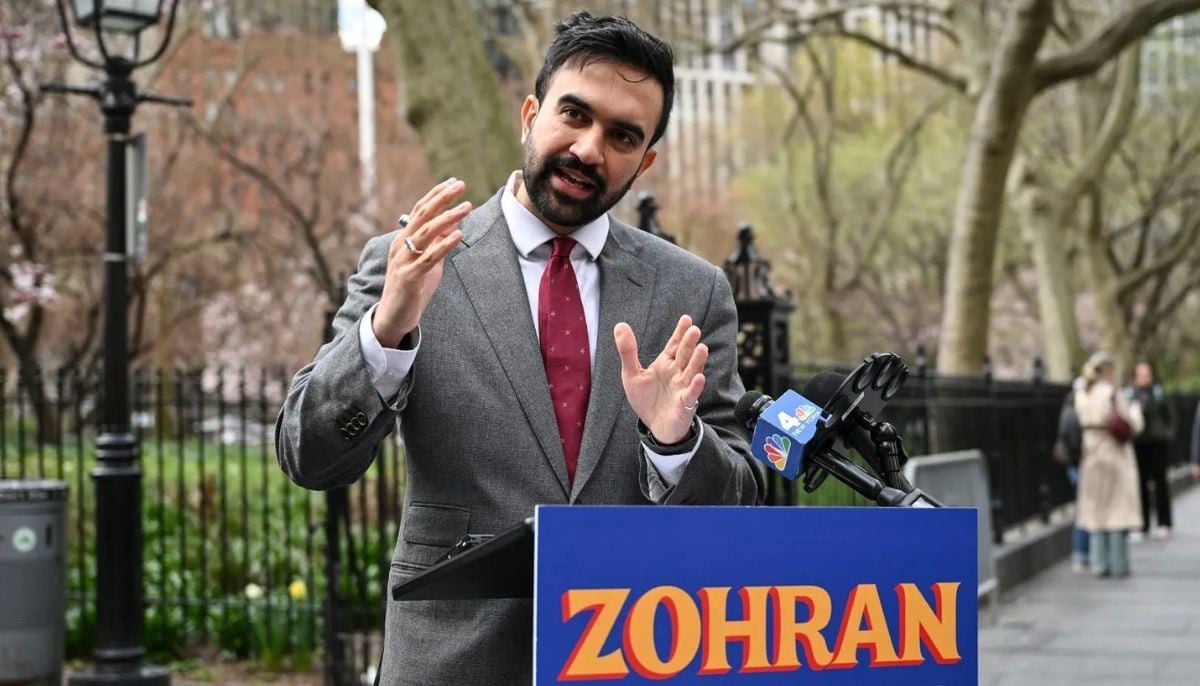 Zohran Mamdani launches $50 World Cup ticket lottery in NYC: How to enter and win
 -
 Pep Guardiola leaves Manchester City after historic 10-year era, tributes pour in
 -
 ‘A terrible look’: Charles Barkley calls out NBC’s Michael Jordan deal
 -
 Cristiano Ronaldo leads Al Nassr to first Saudi Pro League title in 4-1 win over Damac
 -
 NASCAR legend Kyle Busch passes away
 -
 Urban Meyer opens up on Kyle Whittingham joining Michigan Wolverines
 -
 Mark Scheifele stars as Canada beats Norway in OT at world hockey championship
 -
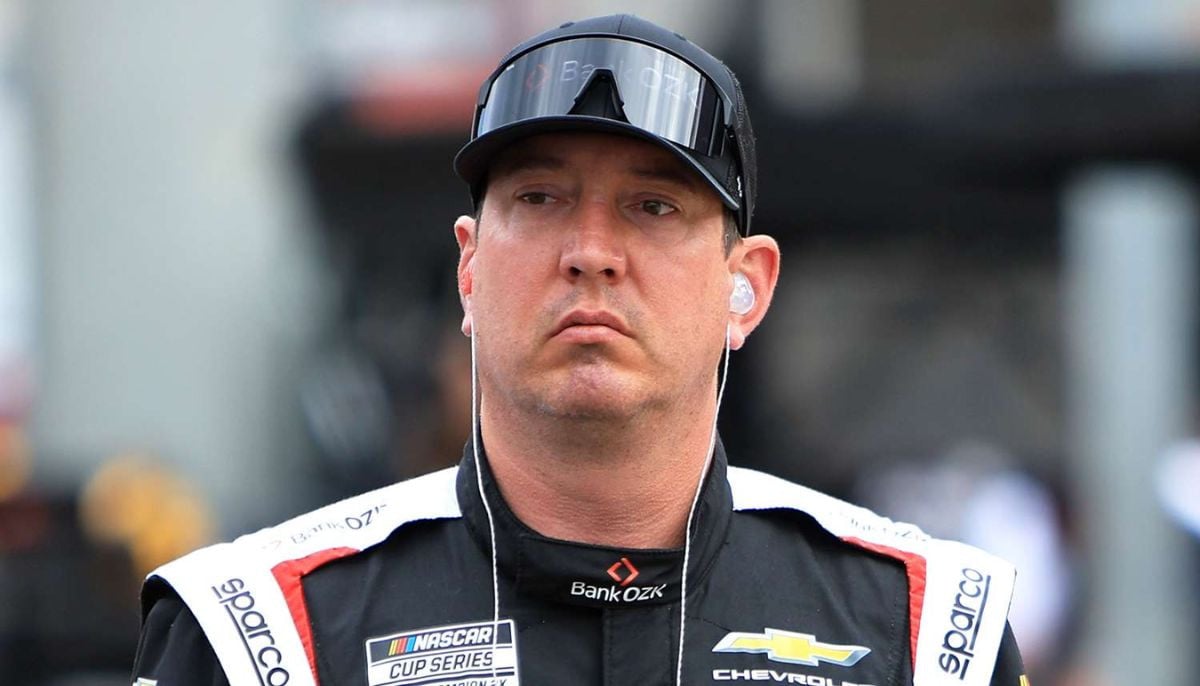 NASCAR driver Kyle Busch breathes his last at 41