Here is how to view mesmerising blue dot in the night sky this month
Star Vega can even be observed with the naked eye in the presence of bright moonlight
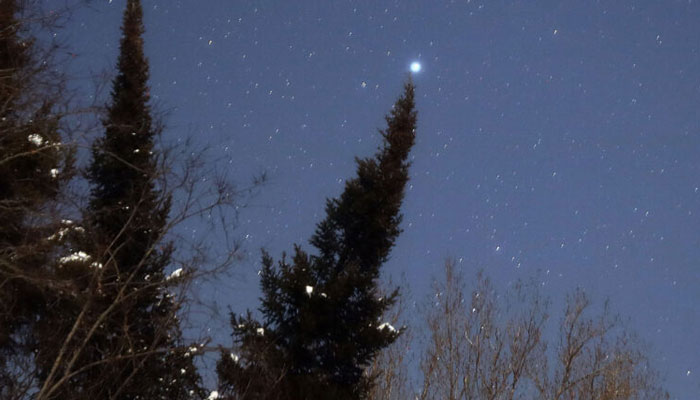
Vega, situated 150 trillion miles away from Earth, will grace the night sky with its enchanting azure radiance throughout May.
As the fifth most luminous star in our celestial sphere, Vega will progressively ascend earlier each day in the northern hemisphere, making its appearance beneath the horizon by evening's midpoint. In the southern hemisphere, it will remain observable for up to four hours past midnight. Residents of mid-northern latitudes can catch a glimpse of Vega during the early morning hours.
Vega holds cultural significance, notably as the inspiration behind extraterrestrial communication in the renowned book and film Contact. It also forms a part of the Summer Triangle alongside Altair and Deneb.
Although Vega is commonly associated with summer, it remains visible for a substantial portion of the year, spending only about seven hours per day below the horizon in mid-northern latitudes. However, it remains concealed for extended durations in regions farther south, never sinking below the horizon in areas like Alaska, northern Canada, and much of Europe.
Remarkably, even amidst the glow of a radiant moon, Vega can be perceived with the unaided eye. Its prominence is further amplified by its historical role as the North Star in ancient times and its anticipated resurgence to that status in approximately 12,000 years.
Astronomers have been captivated by Vega, unearthing intriguing revelations. It is believed to possess an asteroid belt akin to our solar system, suggesting the potential existence of rocky planets resembling Earth or Mars. The prevalence of multi-planet systems encircling stars like Vega has become a common discovery, hinting at the presence of undetected planets, potentially comparable in size to Jupiter, orbiting within its vicinity.
Overall, Vega's resplendence and scientific significance continue to fascinate astronomers as they delve into its distinctive attributes and unravel the enigmas of distant solar systems.


-
 Draconid meteor shower tonight: Best time and places to see it
 -
 ‘A dream for 50 years’: Why world’s first nuclear clock could change timekeeping
 -
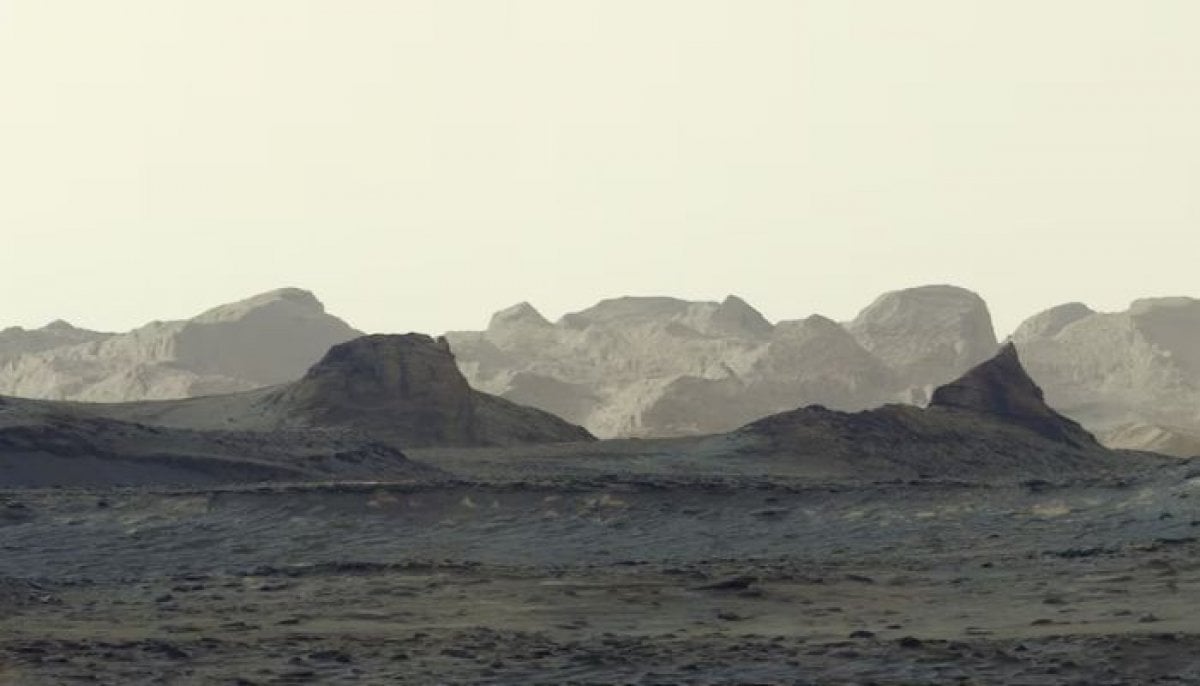 NASA Curiosity captures strange ‘wind-carved’ Mars landscape in dawn image
 -
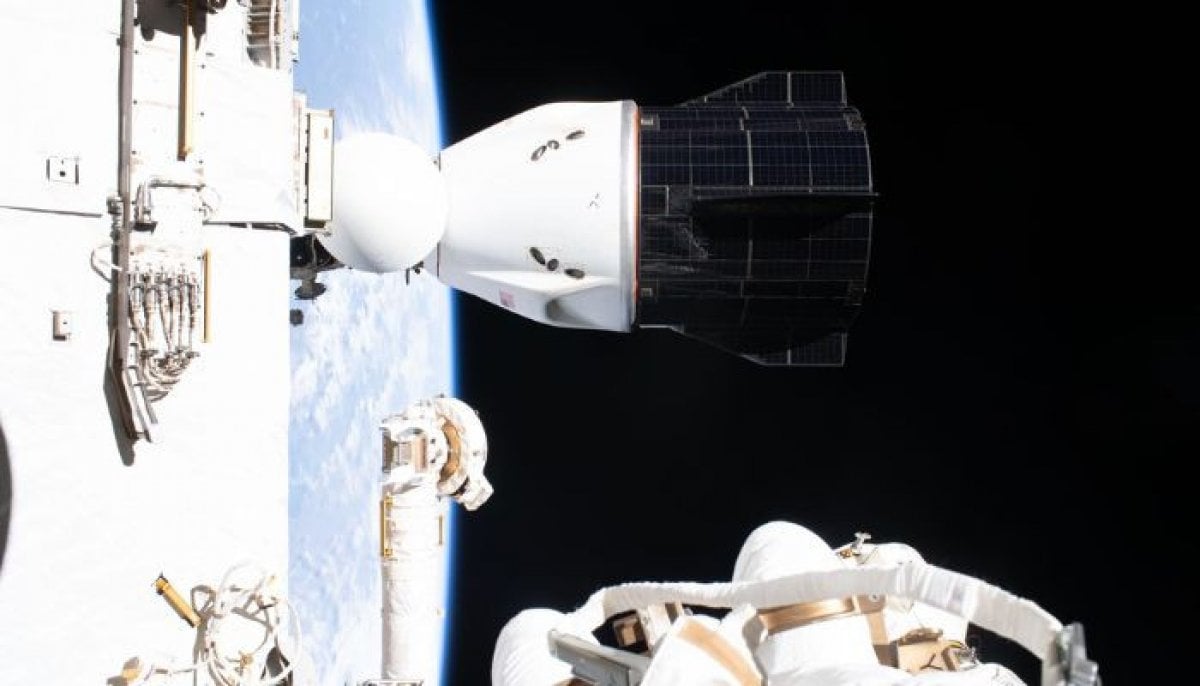 NASA's Crew-12 Dragon begins return trip from space station
 -
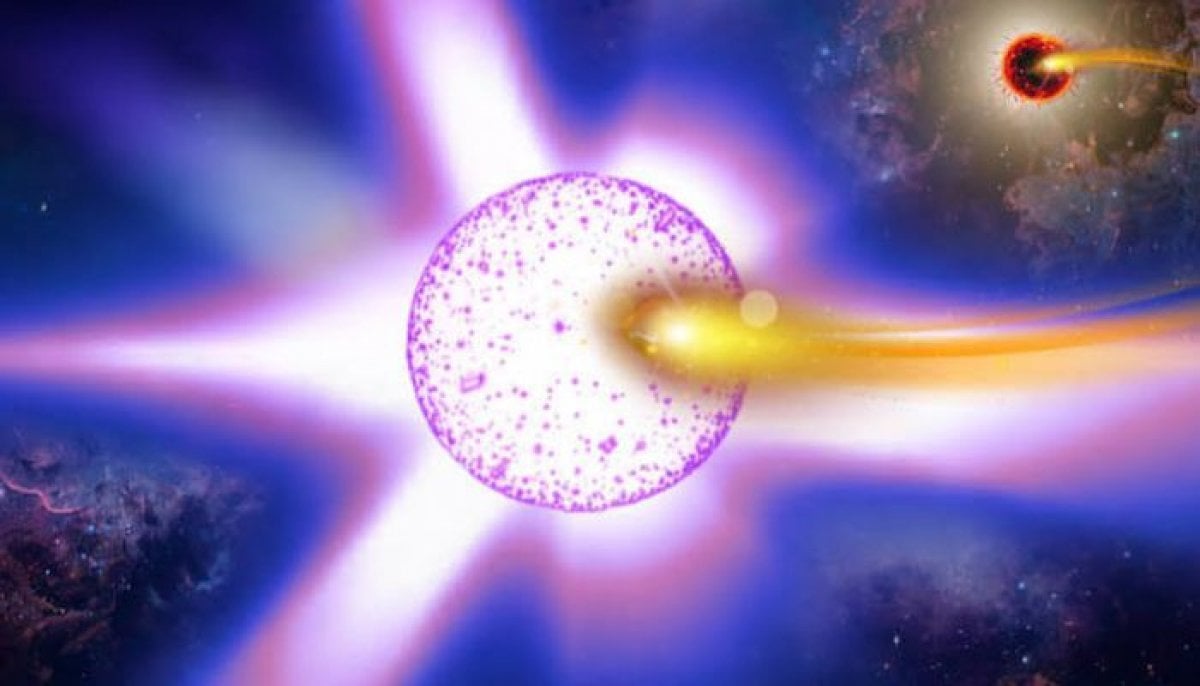 Mysterious ‘phoenix planet’ found around the remains of a dying star
 -
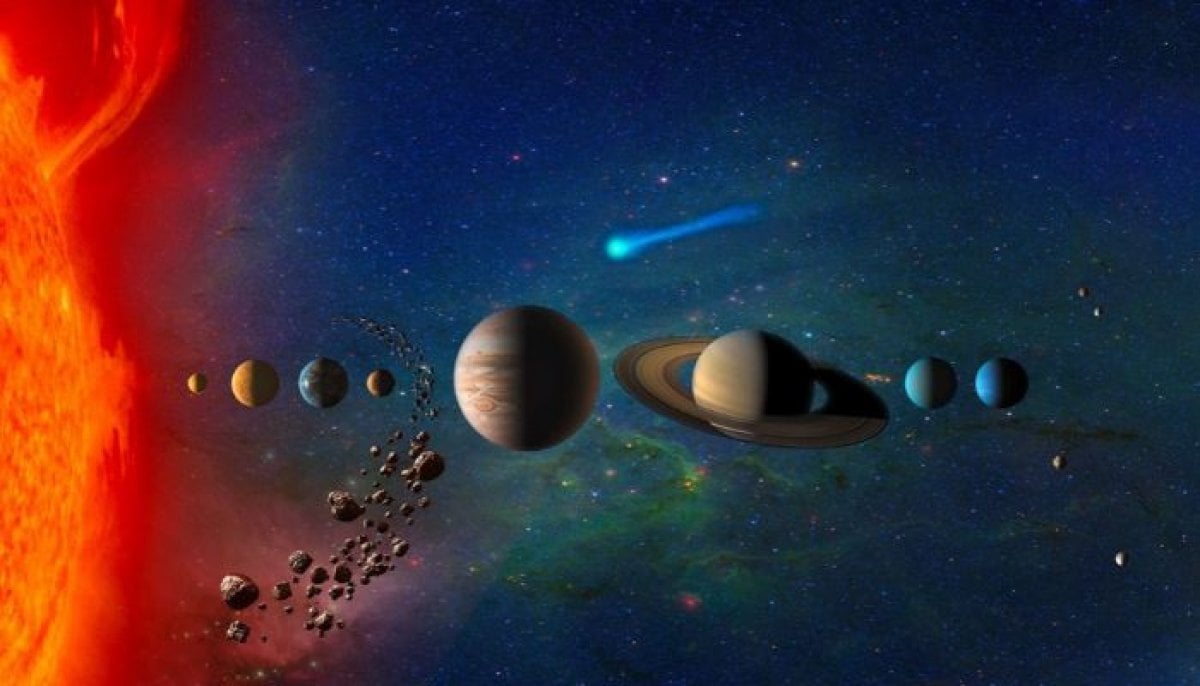 First possible evidence of Planet Nine found in infrared data
 -
 Elon Musk announces SpaceXAI rebrand to SpaceXSI following presidential order on 'Super Intelligence'
 -
 ISS Command changes hands in emotional ceremony