Here's how to see hybrid solar eclipse on April 20
A similar solar eclipse occurred in 2013. The next one will be taking place in 2031
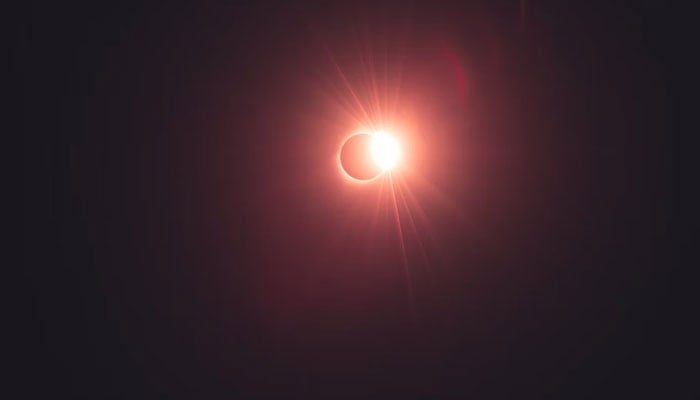
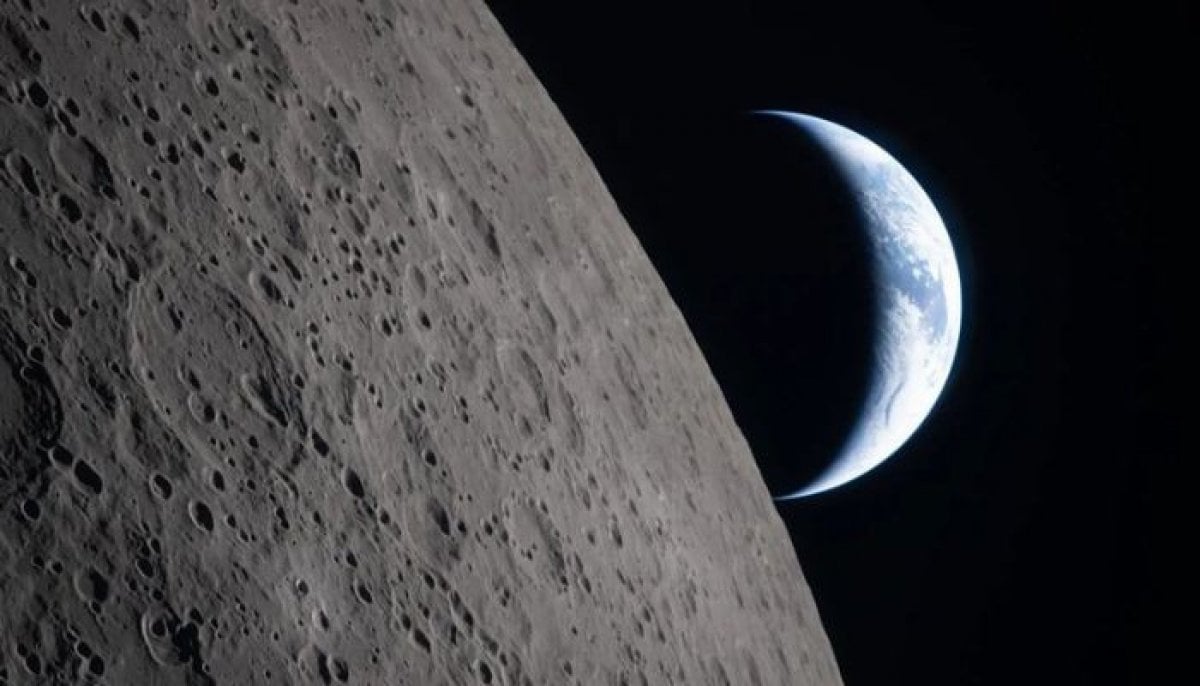
In much-anticipated space activity, Moon will block out the Sun on Thursday, April 20, in what will be called a "hybrid solar eclipse".
The hybrid solar eclipse shifts to an annular (ring-shaped) from a total solar eclipse as the shadow of the moon falls on the Earth.
A similar solar eclipse occurred in 2013. The next one will be taking place in 2031. The sky and astronomy lovers will have to wait till 2164 to see it happening.
In the extraordinary activity, the moon's shadow will be passing over Earth in western Australia, East Timor and Indonesia beginning at 9:36pm EDT on April 19 till the next day.
If you do not happen to be where the shadow will not fall, there is nothing to be anxious about. You can witness it live through internet streaming.
TimeAndDate.com for instance will be streaming the event live on their YouTube channel from 9:30pm EDT on April 19 (0130 GMT on April 20).
On its Youtube channel, the Gravity Discovery Centre and Observatory, Australia will also host a live stream of the eclipse at 10pm EDT on April 19 (0200 GMT on April 20).
The transition of the solar eclipse from annular to total and then back to annular will be seen only from two locations on Earth. The places are far remote in the ocean.
While looking at the eclipse, remember that do not look at it with an unaided eye which can potentially damage vision.


-
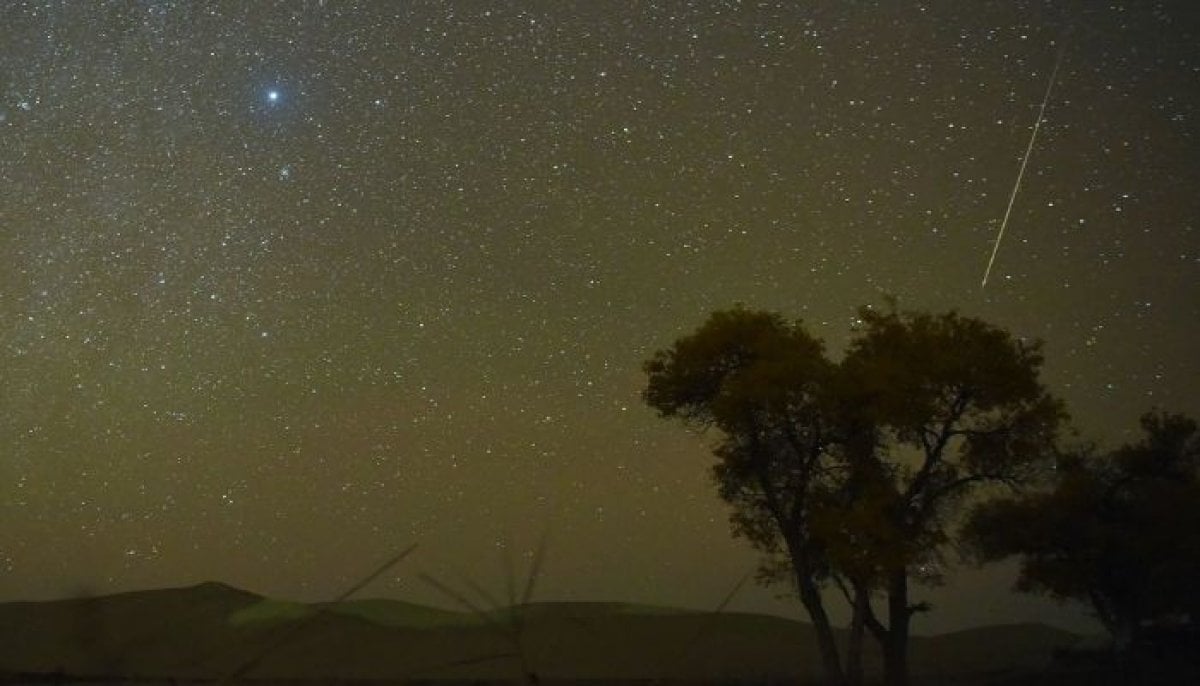 Orionid meteor shower 2026: Peak date, viewing tips and what to expect
 -
 Why Mars looks blue in NASA’s unedited curiosity panorama?
 -
 Blue Origin upgrades new Glenn rocket launch infrastructure to take on SpaceX
 -
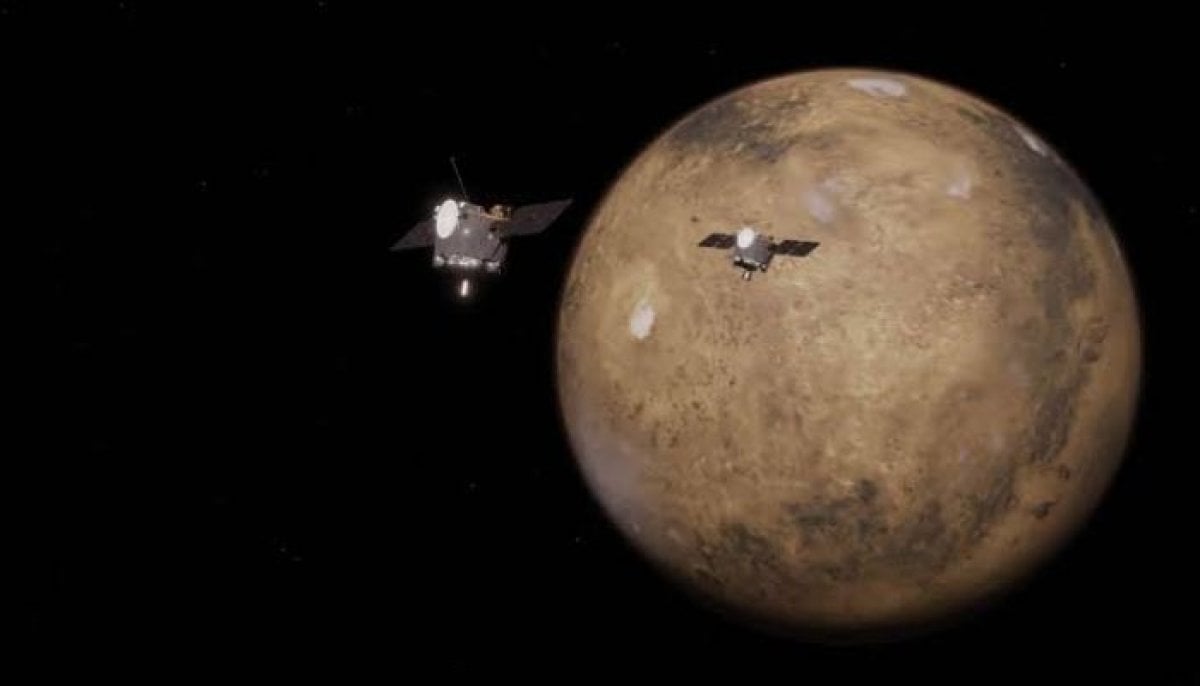 NASA’s next Mars mission targets Phobos and Deimos, not Red Planet
 -
 Is AI ready to rewrite our understanding of physics?
 -
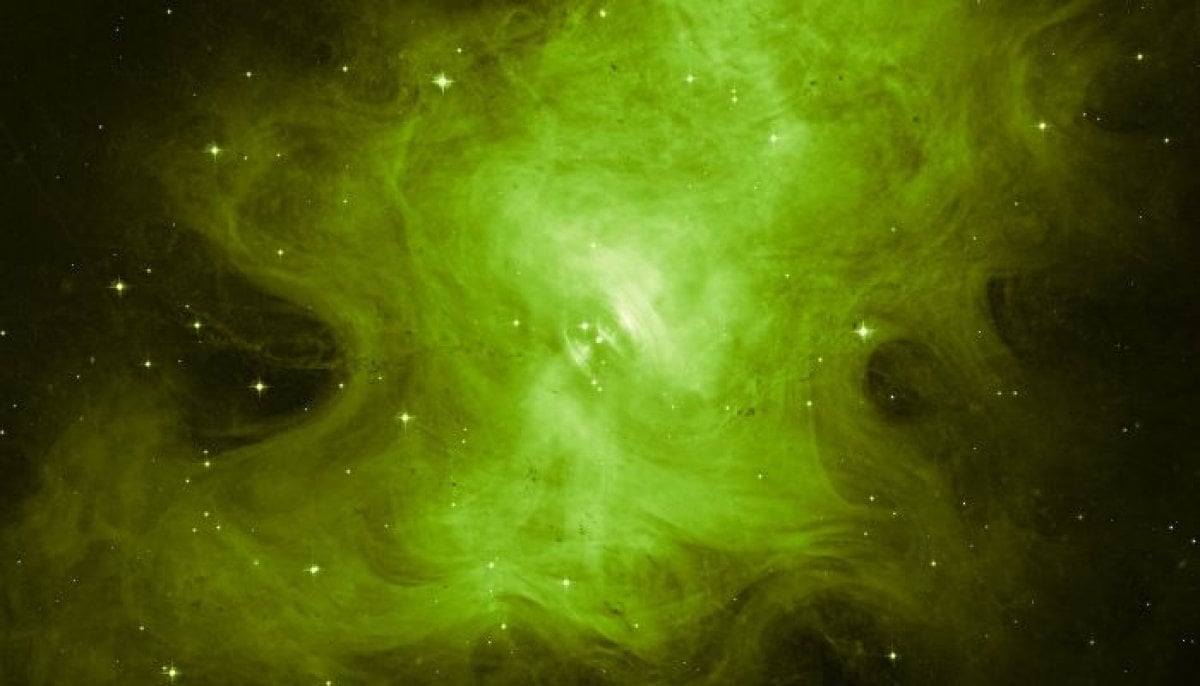 Astronomers identify possible first green star in 27 years of research
 -
 New study sounds alarm as Doomsday Glacier melts more aggressively than thought
 -
 Hubble data hints at planet born after its star died