Why you should think twice before charging phone via public USB port
Hackers have discovered a way to infect USB charging points in airports or hotels with viruses
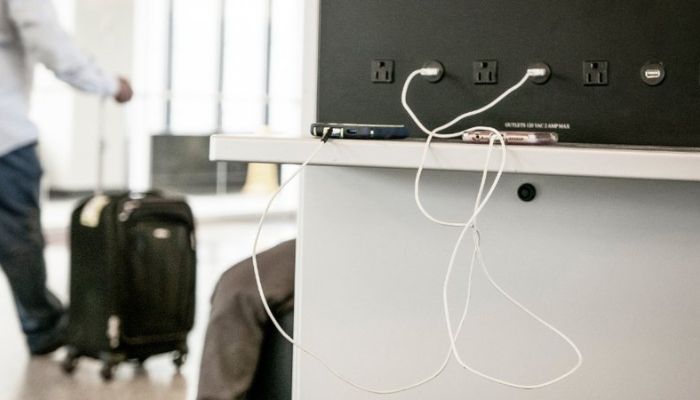
After enduring the arduous process of airport check-in and security, travellers often find themselves with time to kill while waiting for their flights.
With their phones in need of a recharge, many take advantage of USB charging points available in airport lounges or hotels. However, the FBI has issued a warning to smartphone users to beware of the potential danger these charging points pose, as hackers can use them to distribute viruses.
The FBI has recently warned smartphone users to avoid using USB charging points in airports or hotels as hackers have discovered a way to infect them with viruses. The official Denver Twitter account of the US Intelligence and security service issued this cautionary message.
It stated: "Avoid using free charging stations in airports, hotels or shopping centres. Bad actors have figured out ways to use public USB ports to introduce malware and monitoring software onto devices."
The FBI issued a warning against 'juice jacking', where hackers load malware onto public USB charging stations, putting private data at risk.
The Los Angeles District Attorney's office had previously warned against the practice. Cybercriminals can access a person's phone or tablet through charging station hardware and compromise sensitive information. The FCC also warned about infected USB cables left in ports.
To avoid becoming a 'juice jacking' victim, it is advised to carry your own charger and USB cord to plug into an electrical outlet instead. Additionally, be cautious when using public WiFi networks in airports and busy areas.


-
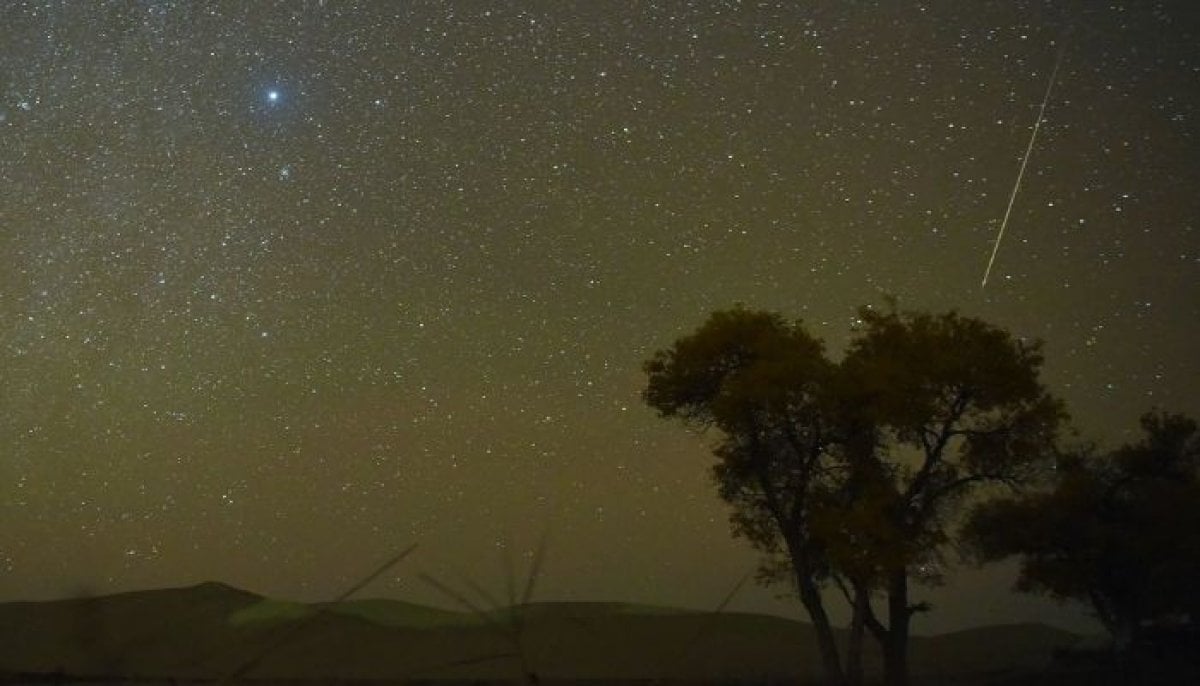 Orionid meteor shower 2026: Peak date, viewing tips and what to expect
 -
 Why Mars looks blue in NASA’s unedited curiosity panorama?
 -
 Blue Origin upgrades new Glenn rocket launch infrastructure to take on SpaceX
 -
 NASA’s next Mars mission targets Phobos and Deimos, not Red Planet
 -
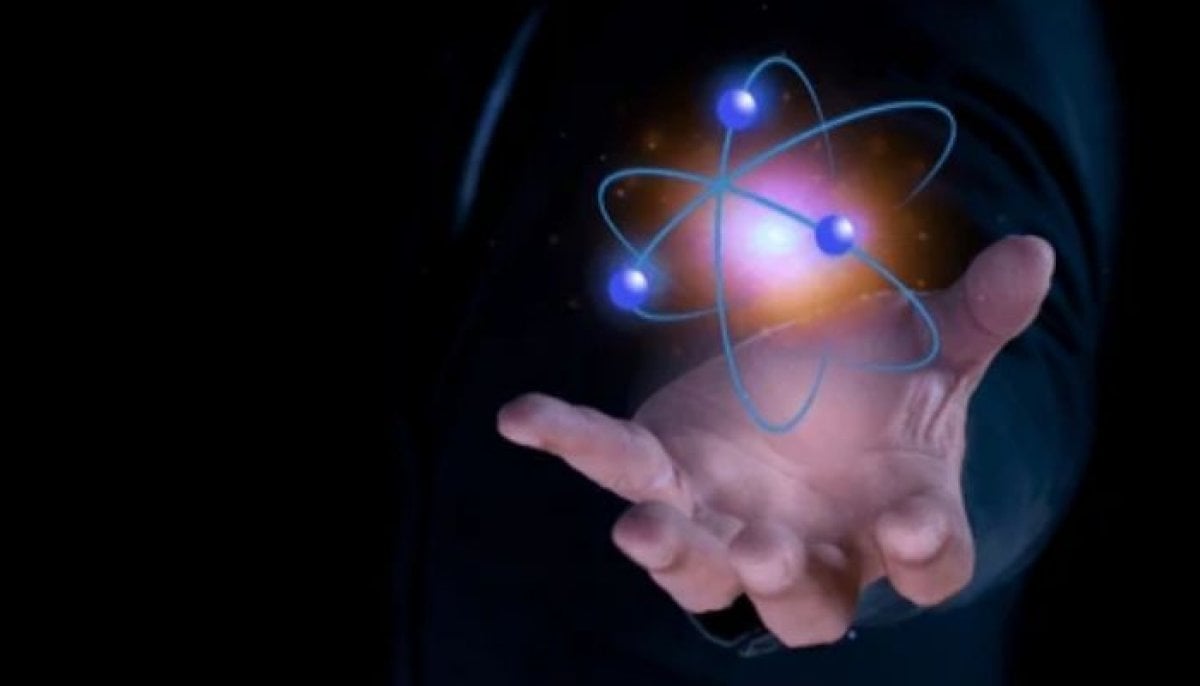 Is AI ready to rewrite our understanding of physics?
 -
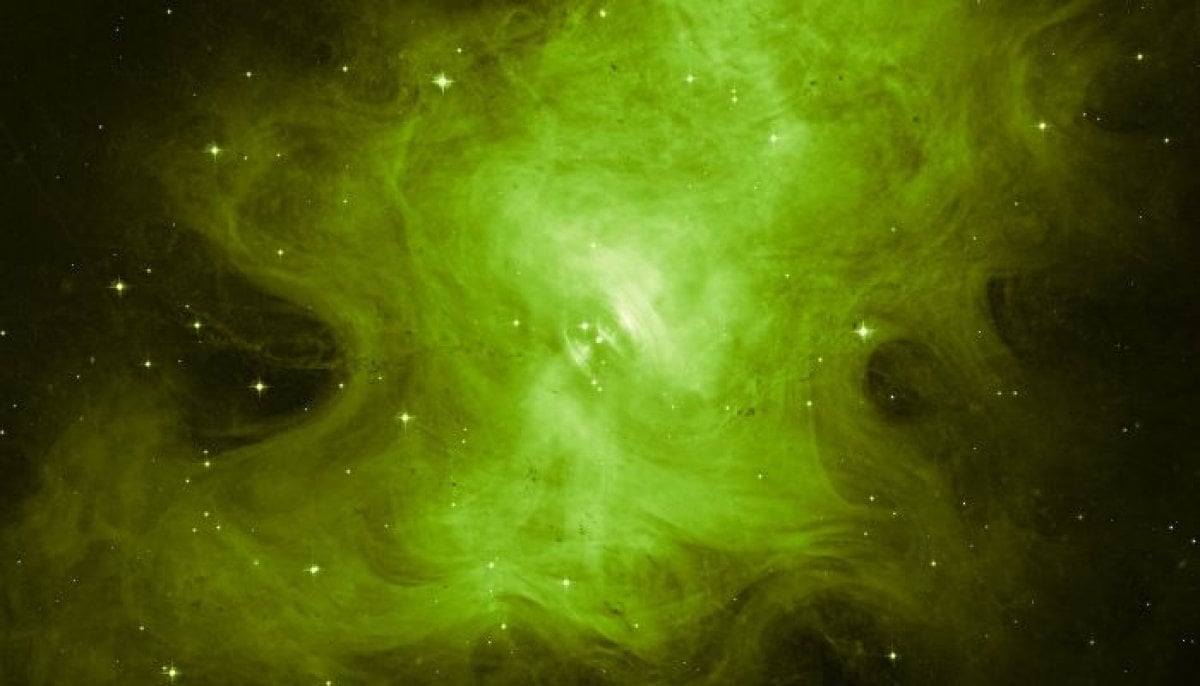 Astronomers identify possible first green star in 27 years of research
 -
 New study sounds alarm as Doomsday Glacier melts more aggressively than thought
 -
 Hubble data hints at planet born after its star died