Life on Mars: Scientists discover hidden water beneath planet that may have supported life
Ancient sand dunes in Gale Crater were soaked by underground water billions of years ago, leaving behind minerals that can preserve life signs on Mars
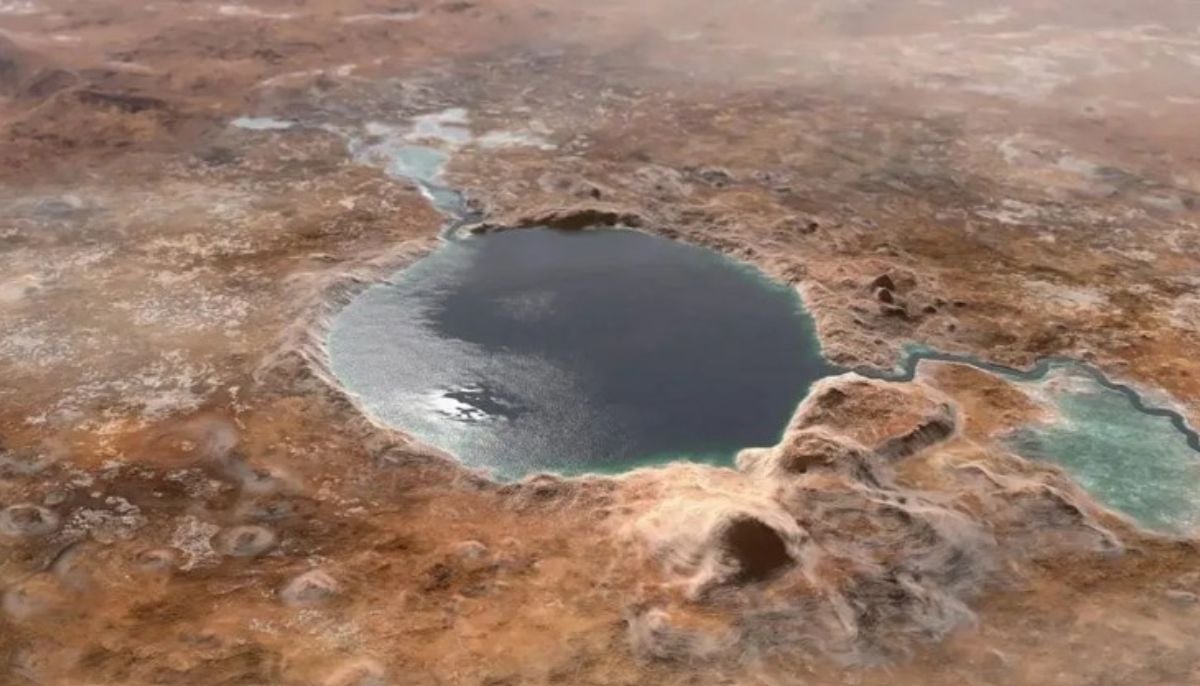
We have always heard the possibility of life on Mars but could not find the right clue.
To clarify the fact, scientists have been struggling for years to discover signs of life on Mars and the latest research breakthrough suggests Mars may have remained habitable much longer than scientists once thought after finding water signs beneath the planet.
The findings indicate that the Red Planet may have remained capable of supporting life for much longer than scientists once believed.
Even after surface water disappeared, subsurface flows may have created protected environments for microbes.
Moreover, these hidden habitats could be key targets in the ongoing search for past life on Mars.
Scientists suggest these hidden watery environments may have provided safe havens where microbial life could have survived.
Evidence from ancient Martian dunes suggests underground water kept moving beneath the planet’s surface long after its lakes and rivers dried up.
The research originally published in the Journal of Geophysical Research and Planets, sheds new light on how Mars changed over billions of years.
It also strengthens the idea that underground environments could be some of the best places to look for signs of past life on the planet.


-
 Can cancer drugs be made in space? Here’s what the new mission aims to find out
 -
 SpaceX Falcon 9 successfully launches Bandwagon-5 mission with 32 payloads
 -
 Europe launched 8 orbital rockets last year, can it rival Starlink?
 -
 Japan launches world’s first mission to bring sample back from phobos
 -
 Orionid meteor shower 2026: Peak date, viewing tips and what to expect
 -
 Why Mars looks blue in NASA’s unedited curiosity panorama?
 -
 Blue Origin upgrades new Glenn rocket launch infrastructure to take on SpaceX
 -
 NASA’s next Mars mission targets Phobos and Deimos, not Red Planet