World's first 3D-printed office opens in Dubai
Dubai has opened what it said was the world's first functioning 3D-printed office building, part of a drive by the Gulf's main tourism and business hub to develop technology that cuts costs and saves time.
The printers - used industrially and also on a smaller scale to make digitally designed, three-dimensional objects from plastic - have not been used much for building.
This one used a special mixture of cement, a Dubai government statement said, and reliability tests were done in Britain and China.
The one-storey prototype building, with floorspace of about 250 square metres (2,700 square feet), used a 20-foot (6-metre)by 120-foot by 40-foot printer, the government said.
"This is the first 3D-printed building in the world, and it's not just a building, it has fully functional offices and staff," the United Arab Emirates Minister of Cabinet Affairs, Mohamed Al Gergawi, said.
"We believe this is just the beginning. The world will change," he said.
The arc-shaped office, built in 17 days and costing about $140,000, will be the temporary headquarters of Dubai Future Foundation - the company behind the project - is in the centre of the city, near the Dubai International Financial Centre.
Gergawi said studies estimated the technique could cut building time by 50-70 percent and labour costs by 50-80 percent. Dubai's strategy was to have 25 percent of the buildings in the emirate printed by 2030, he said.


-
 New study explains 364-day Qumran calendar puzzle
 -
 Why does time feel faster as you age? Science explains
 -
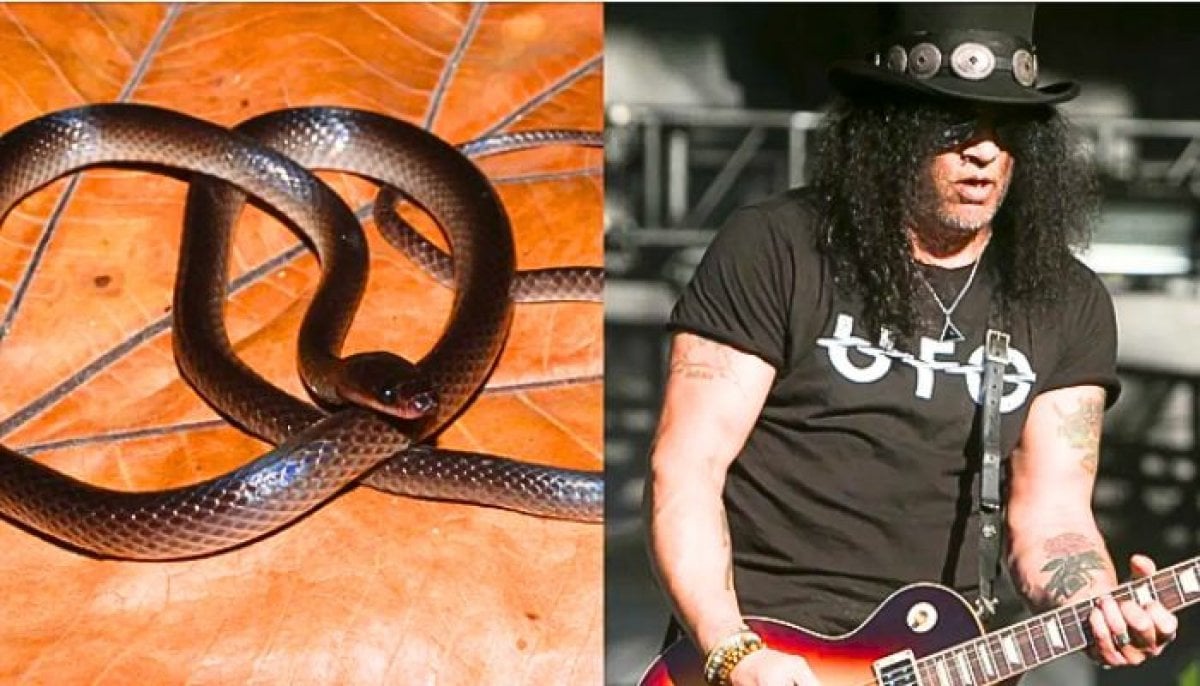 Scientists name newly discovered snake after Guns N' Roses' Slash
 -
 SpaceX secures three new NASA crew flights: What to know
 -
 Sovereign AI fund in talks to back Political Sciences: What to know
 -
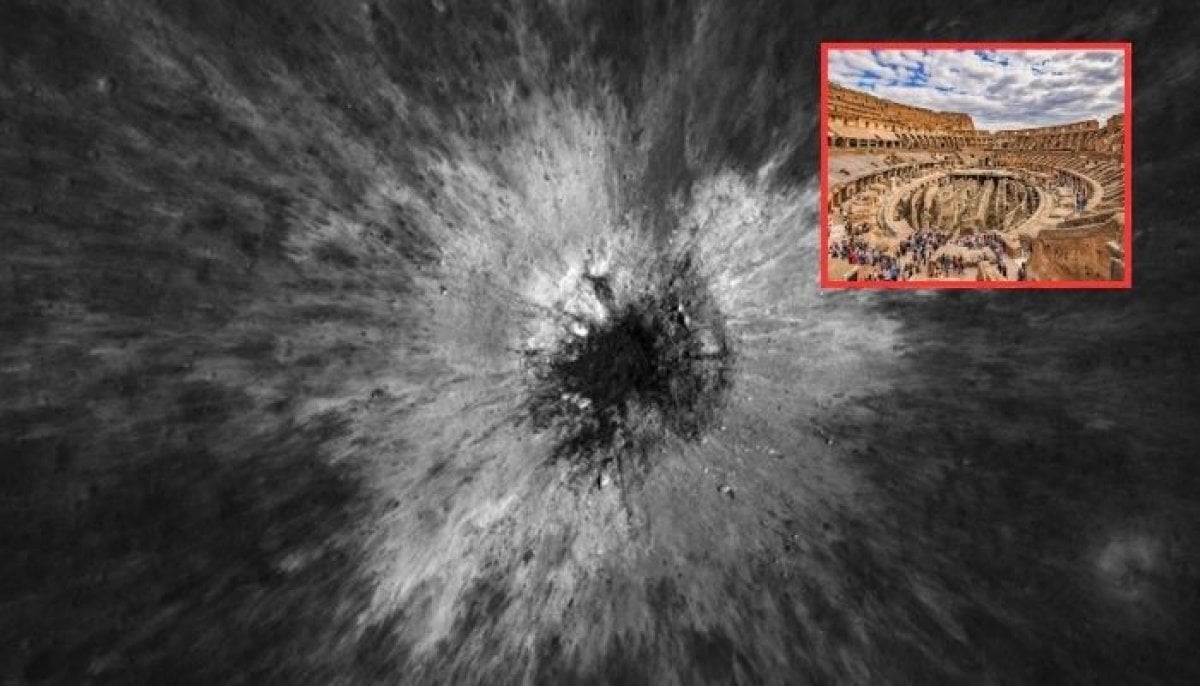
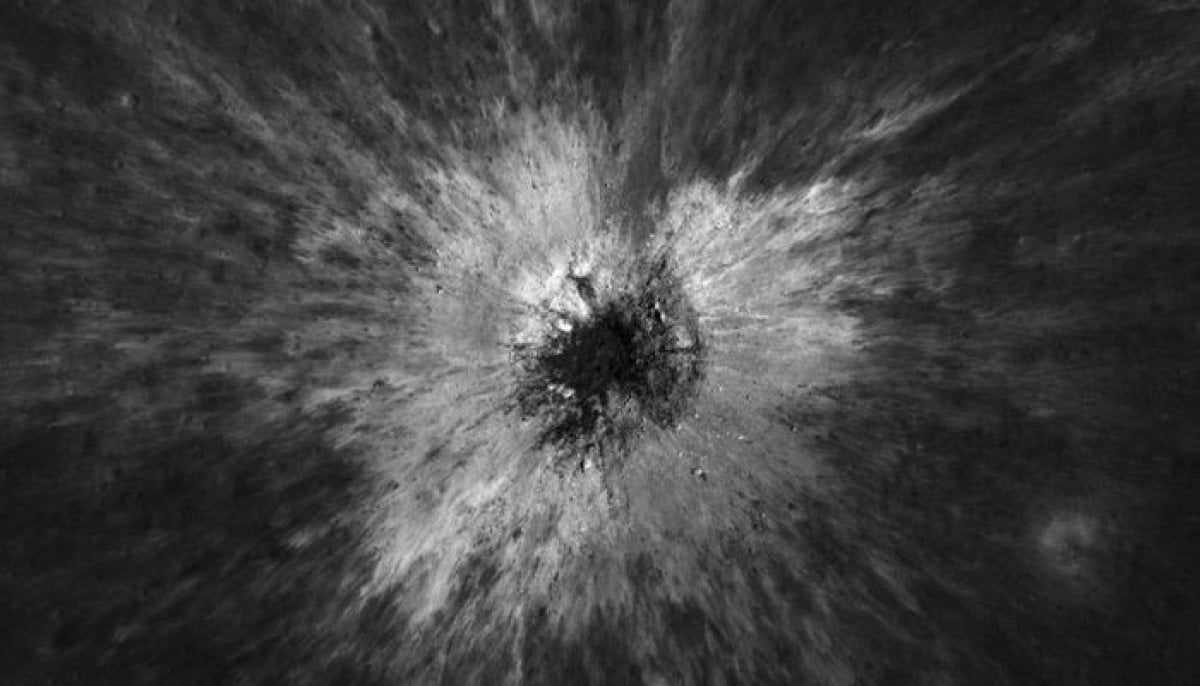 What recent discovered Moon Crater Means for Future Astronauts
 -
 Scientists discover new wild cat species in Bolivia for the first time in a century
 -
 SpaceX turns to failed startups for AI training: Here’s why