
Proposed policy shift may discourage solar energy use
NEPRA is in process of revising power tariff downward for electricity produced from solar net metering
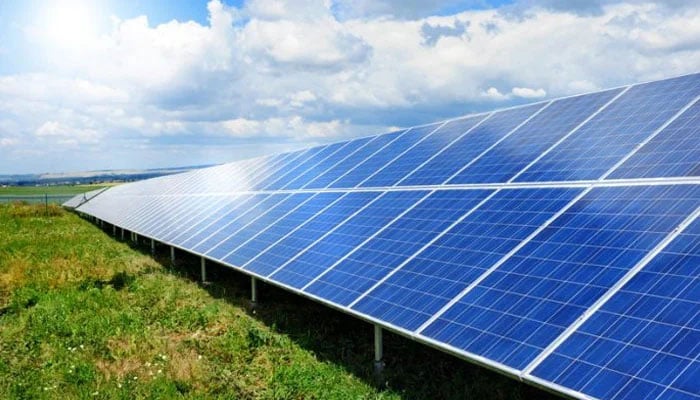
LAHORE: The proposed policy shift in power tariff of roof-top solar net metering may discourage use of one of the cheapest sources of clean energy in the country.
As per the move, National Electric Power Regulatory Authority (Nepra) is in process of revising power tariff downward for electricity produced from solar net metering, which is meant for exporting to distribution companies (DISCOs). The proposal, if implemented, will discourage use of solar power as consumers will have to bear excessive electricity bills. Pakistan Solar Association has rejected the proposal of power regulator, saying such regressive step would discourage use of solar power in the country.
The interest of domestic consumers in solar net metering is likely to diminish since Nepra is planning to bring the net metering customers on par with bulk power supplier. Consequently, the net metering may become unavailable due to lower power selling price.
According to a public announcement made by Nepra on August 24, comments were sought on a suggested change in the National Electric Power Regulatory Authority (Alternative & Renewable Energy) Distributed Generation and Net Metering Regulations, 2015.
The proposed amendment will leave domestic consumers in quandary of losing investment in solar power due to the fact that the excessive power being sold to distribution company as swap arrangements will no more be relatively profitable. Ideally, the units generated by solar net metering by domestic producer should be treated on par with the units procured from the distribution company.
Any proposed difference between ‘national average energy purchase pricing’ and ‘national average power purchase price’ is going to negatively affect the competitiveness of small investment in the country’s green future.
The solar net metering producers are primarily not in the business of energy production and selling, rather they sell excessive electric power units to DISCO and the utility sells at their own rates to other consumers. In a single buyer energy market of Pakistan, domestic consumers find solar net metering as an attractive option not only for having relatively cheap power, but also getting rid of the nuisance of wrong billing.
Meanwhile, the National Electric Power Regulatory Authority (NEPRA) on Friday clarified that no amendment was made to the net metering regulations, saying, it has solicited comments from the general public only.
The regulator made the clarification following media reports regarding net metering after NEPRA published an advertisement to seek public comments. NEPRA termed it ‘misreporting’ by some quarter of the press, as it said no changes have been made to the regulations.
It further said, “It is important to highlight that the impact of changes is only on 20,700 consumers across Pakistan who have been allowed net metering as per the regulations approved by NEPRA.” It further clarified that the proposed amendment would not have any impact on self-consumption. The units would be netted off as per the already approved mechanism. The amendment in the regulations only applies to the excess units sold by net metering consumers. The impact of any higher cost paid on excess units would be shared by remaining consumers of the grid, it said.
NEPRA fully supports the government of Pakistan’s solar initiative and as such NEPRA’s net metering regulations have absolutely no impact on the government’s initiative which seems to have been again misquoted in the main and social media. Moreover, the expected rate of Solar mega-scale procurement by the government will be at much cheaper rates than what Nepra is allowing for net metering consumers.
Nepra welcomes input from all stakeholders and any decision in this regard would be taken after giving due consideration to the comments received from stakeholders and keeping in view the public interest.
On the other hand, Rashid Mehmood, Secretary Power in his post on twitter was of the view that uproar over net metering is an information war of the richer households against the poorer households. By current projections, 2 percent of consumers (almost all on three-phase meter) will have net metering with a capacity of 3,600 MW.
It would cost more than Rs100 billion per annum to the power companies by 2027. This cost will be transferred to the rest of the consumers (mostly single-phase) connections. Even at proposed Nepra rate of Rs9 per unit, richer households will make net profit of Rs5 per unit and it will be charged to poorer households without net metering, he observed.
Net metering is a free-of-charge service to transfer power generated during day to the night time and not a business, he concluded.


