
17pc GST on local formula milk to hinder nutrition goals
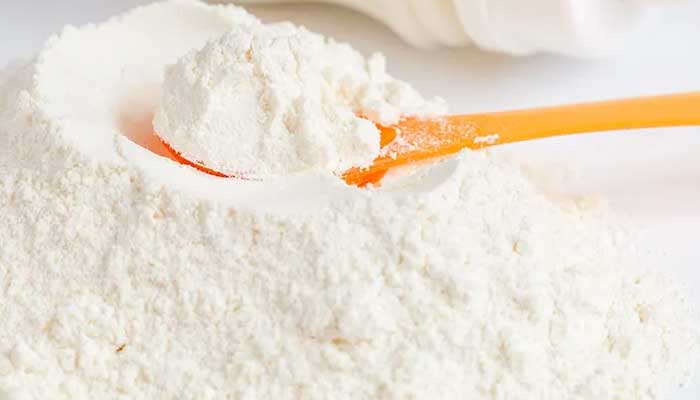
LAHORE: Proposed imposition of 17 percent general sales tax (GST) on locally produced milk formula would derail efforts aimed at addressing the serious issue of child malnutrition in the country.
According to insiders, the recent proposal by the federal government to impose 17 percent sales tax on locally produced infant formula and baby food was contrary to the promise made by the prime minister in addressing the challenges of malnutrition in Pakistan.
Commenting on the reports that under the proposed mini-budget, sales tax on locally produced infant milks and cereals would be increased from zero percent to 17 percent in one go, they said it would negatively impact consumer price and nullify the PM’s promise made to address malnutrition.
Locally produced milk formula is used on a large scale as prescribed under certain medical conditions as well as general use for providing nutritious food to infants and babies. These products are about 50 percent cheaper than similar imported products.
Pakistan is facing a crisis in terms of malnutrition that is among the worst in the world, they observed.
An important index of health and nutritional status of a community is its “under-five mortality rate.” For Pakistan, it is 137 for 1,000 births. That is very high, by international standards.
According to nation-wide food consumption surveys, 40 percent of children in Pakistan are underweight and over half of the children are affected by stunting.
Furthermore, in Pakistan, about 41.7 percent of women of reproductive age are anaemic, with a slightly higher proportion in rural (44.3 percent) than urban setting (40.2 percent).
As per the last published National Nutrition Survey, other micronutrient deficiencies in Pakistani women are that of Vitamin D (79.7 percent) and Vitamin A (27.3 percent), which makes them vulnerable as young mothers.
Considering the high inflationary climate, it is imperative to note that locally produced infant nutritional products are priced at 50 percent less than imported ones, making it affordable and accessible to overcome under nourishment.
Prime Minister Imran Khan in his first address had drawn attention to the impact malnutrition and substandard food had on the mental and physical development of children, and had clarified the government’s priorities for prevention of stunting.
According to UNICEF, nearly 10 million Pakistani children suffer from stunting. The situation remains quite dire in the country, with stunting and wasting heavily prevalent.
Stunting does not only mean that a child does not have enough to eat. It is about the quantity and quality of diet besides other factors. Inadequate nutrition among mothers during pregnancy is one of the main reasons of malnutrition among children leading to stunting.





-
 Artemis II Splashdown Time Set As NASA Prepares For High-speed Return And Recovery Mission
 -
 Melania Trump Denies Epstein Ties, Says Contact With Him And Ghislaine Maxwell Was Only ‘casual’
 -
 Shamed Andrew Tamed By ‘henchman’ Brother Prince Edward
 -
 Afrika Bambaataa Faced Explosive Allegations: What Were They?
 -
 Why King Charles' Anniversary With Queen Camilla Turned Bittersweet?
 -
 Abbas Araghchi Says US Would Be 'dumb' To Let Israel Undermine Ceasefire Amid Lebanon Violence
 -
 Mojtaba Khamenei Warns 'our Hands Are On The Trigger' Amid Fragile Ceasefire With US, Israel
 -
 Kate Middleton Failing To ‘stay Above’ Meghan Markle ‘drama’
 -
 Taylor Swift, Travis Kelce Wedding Plans Leak Despite Strict Privacy Move
 -
 Meghan Trainor Breaks Silence Over Backlash For Welcoming Baby Via Surrogate
 -
 Prince Harry ‘did Not Have Bad Childhood,’ Slams Royal Expert
 -
 Hip Hop Pioneer Afrika Bambaataa Breathes His Last
 -
 Queen Elizabeth II Knew Son Andrew Was The Most ‘vulnerable’ Of All Kids
 -
 Noah Wyle Achieves His '50-year' Dream In Hollywood: 'Truly Humbled'
 -
 Meryl Streep Addresses Hollywood's Treatment Of Women Over 50
 -
 Cardi B 'pauses' Divorce Drama After Offset Shooting Shock