
WTC attacks: Tale of how NSA failed to act on intel communications
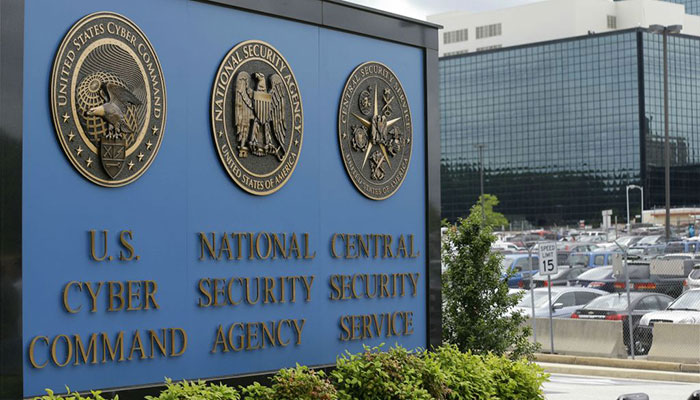
WASHINGTON: On September 8 the National Security Agency (NSA), the US signals-intelligence organization, intercepted its first communications indicating a possible imminent terrorist attack, of what later turned out to be passenger jets blowing into the WTC, but they clearly failed to prevent that from happening, revealed Newsweek.
William M Arkin who authored the book “On That Day: The Definitive Timeline of 9/11,” contributed his investigations for the Newsweek. Writing for the news magazine, Arkin says between September 8th and 11th, the NSA intercepted telephone calls and other transmissions, but neither were translated into English nor disseminated. Going back as early as August 27, allied signals agencies had also intercepted other communications indicating the gathering storm.
On that day, an al Qaeda member in Madrid said over the telephone: “In our lessons we have entered the field of aviation. We’ve even cut the throat of the bird.” The NSA would later determine that a more accurate translation of the last sentence is probably: “We are even going to cut the eagle’s throat,” which they take to be a reference to the impending attacks on America.
On September 10, the NSA reportedly intercepted two more communications between individuals monitored for terrorist connections. One says: “The match is about to begin,” and the other that “Tomorrow is zero hour.”
Referring to this intercept, former Senator Bob Graham later wrote in his book “Intelligence Matters” that the communication from Afghanistan had said that “the big match” was scheduled for the next day. The other referred to the next day as “zero hour.”
The NSA historian James Bamford writes, “... NSA’s vacuum cleaner swept in two more messages culled from the day’s electronic haystack. The first contained the phrase ‘The match begins tomorrow,’ and the second said ‘Tomorrow is zero hour.’ But even though they came from suspected al Qaeda locations in Afghanistan, no one would translate them until September 12.
The intelligence community will later argue that the warnings did not provide any indication of where, when, or what activities might occur.
The lack of attention to known al Qaeda communications from Afghanistan is startling given that, between May and July, the NSA reported at least 33 separate communications suggesting a possibly imminent terrorist attack.
None of these intercepts provided specific information on the attack, but they were widely (and quickly) disseminated within the intelligence communications and drove the highest alerts of 2001, particularly around July 4.
In fact, on June 22, CIA director George Tenet is said to be “nearly frantic” over imminent threats based upon a recent intercept. All of which makes NSA’s lackadaisical approach around September even more puzzling.


