
Traders’ mixed reaction to cases against Nawaz, workers
LAHORE:The registration of FIR against former Prime Minister Nawaz Sharif for inciting conspiracy to defame Pakistan’s institutions was generally not appreciated by traders but a few said maligning institutions was unnecessary.
Traders like media show hesitation in taking sides in this affair. But an overwhelming majority supported the former prime minister’s stance. They said he only narrated facts that he should have done much earlier. Traders traditionally supported PML-N. Economic downturn enlarged the PML-N support base among traders. Survey of almost all major City markets revealed that there was more support for Nawaz than regret on his speeches.
The supporters, however, were not prepared to criticise the government on record. They feared repercussions. Among the few that dared to support Nawaz openly included Shoaib Butt, a property dealer, who said the PML-N stalwart had said openly what was whispered in private. Instead of naming any institution other names were used. Trade leader belonging to Qaumi Tajir Ittehad Answer Zahoor Butt regretted the changed tone of Nawaz Sharif. He supported registration of FIR against him. Ironically, the traders in the market from where he operates supported the PML-N head. There was full support for Nawaz in Liberty Market, Shadman Market, Akberi Market, Shah Alam Market. Traders are silent supporters of PML-N that do not come out in open.
Traders became toothless after Musharraf’s takeover in 1999. After 45 days shutdown strike all the trade leaders were forced to align themselves with the government. Then military government facilitated the traders in resolving their problems through corps commander offices in their cities. After democracy was restored in 2003, this system remained intact as then government was formed by Musharraf’s supporters.
The subsequent democratic regimes had little control over traders’ affairs as the entrenched leaders looked towards their former patrons to resolve their issues. The present regime got valuable support from the traders in elections. However, the PTI government failed to lift economy and the turnover of most traders suffered badly because of recession that followed. In the meantime, the government introduced measures to document the economy. The proposal to provide Computerised National Identity Card on any transaction above 50,000 forced the traders to take to streets. The government first postponed the implementation of this measure for over a year and then increased the minimum purchase limit to Rs100,000. The traders did not accept even this change. Their relationship with the government remained strained since then. High inflation, high mark-up and massive rupee devaluation impacted their businesses badly. The sales slowed down and some shops operating in posh localities had to close as the operations became commercially unviable.







-
 Katie Price Seen With New Hubby Lee Andrews Weeks After Tying The Knot
 -
 Biggest Order Yet Issued Against Andrew Mountbatten-Windsor: King Charles You Have To’
 -
 ByteDance’s Seedance 2.0 Marks New Era Of Cinematic AI-generated Videos: Here’s How
 -
 Struggling With Obesity? Here's How To Manage It
 -
 How Epstein Scandals Are Impacting King Charles’ Healing As Stress Refuses To Relent: ‘Could Spell His End’
 -
 Ciara, Russell Wilson Become Matchmakers For Pals?
 -
 Why Prince William Releases Statement On Epstein Scandal Amid Most 'challenging' Diplomatic Trip?
 -
 Historic Mental Health Facility Closes Its Doors
 -
 Top 5 Easy Hair Fall Remedies For The Winter
 -
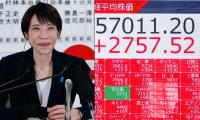 Japan Elections: Stock Surges Record High As PM Sanae Takaichi Secures Historic Victory
 -
 Prince William, Kate Middleton Finally Address Epstein Scandal For First Time: 'Deeply Concerned'
 -
 Kim Kardashian Promised THIS To Lewis Hamilton At The 2026 Super Bowl?
 -
 Andrew Mountbatten-Windsor Throws King Charles A Diplomatic Crisis
 -
 Barack Obama Hails Seahawks Super Bowl Win, Calls Defense ‘special’
 -
 Pregnant Women With Depression Likely To Have Kids With Autism
 -
 $44B Sent By Mistake: South Korea Demands Tougher Crypto Regulations