
Afghanistan’s future
In a television interview President Donald Trump has termed past US wars in the Middle East as the “biggest mistake” and said that he expects less than 5,000 US soldiers to be in Afghanistan by November. The withdrawal of US troops from Afghanistan, where they have been based for the last 19 years, has been a major pillar of the Trump campaign. While Trump has criticized US intervention in the Middle East, he has also boasted that he “took out” ISIS in Iraq and Syria, killed the group’s founder Abu Bakar al-Baghdadi in Syria last October and assassinated Iran’s military hero Major General Qassim Soleimani in Baghdad this January. These assassinations have been severely criticised in the Middle East and have created further complications in the region.
Trump has said the number of soldiers in Afghanistan will be brought to 4,000 gradually. They have already been reduced to about 8,500 after a peace agreement with the Taliban that calls for a full US withdrawal by next summer if certain conditions are met. These conditions include the Taliban breaking all ties with Al-Qaeda and not permitting Afghanistan’s soil to be used for terrorist purposes. In the US itself, there is some debate over the issue. Some lawmakers say that a hasty US troop withdrawal without first stabilizing Afghanistan could lead to further problems in the country. Last month, the House approved a measure restricting the administration from reducing troops level to fewer than 8,000, without first certifying that security and counter-terrorism would not be harmed. This measure still awaits approval in the US Senate. A UN monitoring team has also said that the Taliban relationship with Al-Qaeda runs deep and is unlikely to be ended quickly.
This means that if the US pulls out of this war-torn country after a long and essentially disastrous engagement within it, there is a risk that the weak Afghan government led by President Ashraf Ghani could face enormous perils from the Taliban, who control large parts of Afghanistan, from Afghan warlords who are locked in their own battle for power and from extremist groups who operate with or without Taliban support. The US has abandoned Afghanistan in the past as well. To do so again without a properly thought-out plan could add to the long sufferings of its people, which has to a large part been created by US policy in the region. While the elections in the US may be uppermost in Trump’s mind, the people of Afghanistan need to be thought about and policies developed to ensure they are not left in even greater danger than they face at present.







-
 Lana Del Rey Announces New Single Co-written With Husband Jeremy Dufrene
 -
 Ukraine-Russia Talks Heat Up As Zelenskyy Warns Of US Pressure Before Elections
 -
 Lil Nas X Spotted Buying Used Refrigerator After Backlash Over Nude Public Meltdown
 -
 Caleb McLaughlin Shares His Resume For This Major Role
 -
 King Charles Carries With ‘dignity’ As Andrew Lets Down
 -
 Brooklyn Beckham Covers Up More Tattoos Linked To His Family Amid Rift
 -
 Shamed Andrew Agreed To ‘go Quietly’ If King Protects Daughters
 -
 Candace Cameron Bure Says She’s Supporting Lori Loughlin After Separation From Mossimo Giannulli
 -
 Princess Beatrice, Eugenie Are ‘not Innocent’ In Epstein Drama
 -
 Reese Witherspoon Goes 'boss' Mode On 'Legally Blonde' Prequel
 -
 Chris Hemsworth And Elsa Pataky Open Up About Raising Their Three Children In Australia
 -
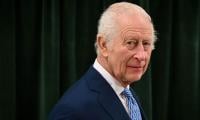 Record Set Straight On King Charles’ Reason For Financially Supporting Andrew And Not Harry
 -
 Michael Douglas Breaks Silence On Jack Nicholson's Constant Teasing
 -
 How Prince Edward Was ‘bullied’ By Brother Andrew Mountbatten Windsor
 -
 'Kryptonite' Singer Brad Arnold Loses Battle With Cancer
 -
 Gabourey Sidibe Gets Candid About Balancing Motherhood And Career