
On the brink
The US and Iran stepped back from the very brink of a possible armed confrontation last week after President Donald Trump called off a threatened attack on Iran. The military strike by the US, the threat of which continues to hover, came after Iran shot down a US drone over what it says was Iranian territory. The US has maintained that the drone was in international airspace. Tensions between the two nations, which have been strained for years, worsened some months ago after Iran decided it would be moving back on some of its commitments made to European nations over nuclear weapons in 2015. The country has faced especially tough economic sanctions since then, but continues to maintain it will not back down. European signatories for the deal have so far failed to persuade Iran to renew it.
Meanwhile, there is growing international panic over the military build-up in the region with US naval warships continuing to make their way into waters within striking range of Iran. Warnings about the consequences of a conflict have been issued within the US itself and from other countries around the globe. Iran has meanwhile said it will strike more US surveillance drones from its skies if they again venture into it. As the world watches, the traditional line-up of allies behind both countries has begun. Saudi Arabia, which has longstanding issues of its own with Tehran, has warned the country against pursuing “aggressive policies” but also stated it does not wish for war. Russia meanwhile has termed the new US sanctions on Iran illegal and stated it is carefully monitoring the situation. The Russian deputy foreign minister has been quoted as saying that Moscow and its partners will counter any further sanctions by taking necessary measures. In a repetition of old cold-war dynamics, this would heighten tensions. US Secretary of State Mike Pompeo has visited Saudi Arabia and will be meeting other world leaders.
While leaders meet and anti-war protesters meet on the streets of Western cities, the people of the region watch anxiously. A US strike on nuclear-armed Iran would have terrible consequences for millions of people. Reminders are also being issued about the damage caused by previous US military action in other countries including Iraq and Afghanistan. Many analysts argue this action has been the key cause for the rise in militant violence. The situation remains extremely tense. There is alarm that even the smallest trigger could result in conflict. President Donald Trump has of course remained vehemently hostile to Tehran since assuming power in 2016. No one who holds rational views would wish to see another war and more human suffering. To prevent this, it is essential that nations around the world show more collective will and do all they can to dissipate he situation which threatens the safety of the globe.






-
 All You Need To Know Guide To Rosacea
 -
 Princess Diana's Brother 'handed Over' Althorp House To Marion And Her Family
 -
 Trump Mobile T1 Phone Resurfaces With New Specs, Higher Price
 -
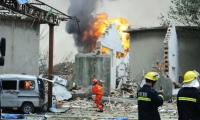 Factory Explosion In North China Leaves Eight Dead
 -
 Blac Chyna Opens Up About Her Kids: ‘Disturb Their Inner Child'
 -
 Winter Olympics 2026: Milan Protestors Rally Against The Games As Environmentally, Economically ‘unsustainable’
 -
 How Long Is The Super Bowl? Average Game Time And Halftime Show Explained
 -
 Natasha Bure Makes Stunning Confession About Her Marriage To Bradley Steven Perry
 -
 ChatGPT Caricature Prompts Are Going Viral. Here’s List You Must Try
 -
 James Pearce Jr. Arrested In Florida After Alleged Domestic Dispute, Falcons Respond
 -
 Cavaliers Vs Kings: James Harden Shines Late In Cleveland Debut Win
 -
 2026 Winter Olympics Snowboarding: Su Yiming Wins Bronze And Completes Medal Set
 -
 Trump Hosts Honduran President Nasry Asfura At Mar-a-Lago To Discuss Trade, Security
 -
 Cuba-Canada Travel Advisory Raises Concerns As Visitor Numbers Decline
 -
 Anthropic Buys 'Super Bowl' Ads To Slam OpenAI’s ChatGPT Ad Strategy
 -
 Prevent Cancer With These Simple Lifestyle Changes