
Rupee under pressure amid regional currency turmoil
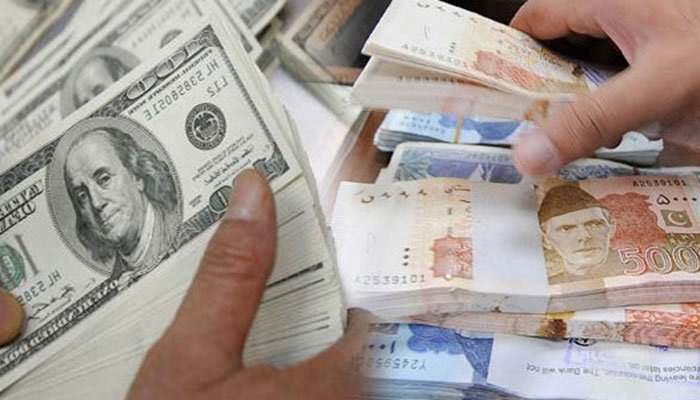
ISLAMABAD: Emerging markets currency turmoil and higher oil prices are putting increasing pressure on Pakistan´s central bank to devalue the rupee for a fifth time in a year, analysts said on Wednesday.
The rupee is down 20 percent since December as dwindling foreign currency reserves paired with a widening current account deficit prompted successive devaluations by the State Bank of Pakistan.
On Wednesday, the rupee closed at 124.2 per U.S. dollar in the official interbank rate and 127.50 on the open market.
Any significant difference between the rates encourages transactions outside the formal banking system.
The central bank aggressively hiked its policy interest rates by 100 basis points to 8.5 percent last week, but that won´t be enough to prevent another depreciation, research agency Fitch Solutions said in an investors note.
"We remain bearish on the Pakistani rupee as the currency is likely to remain under depreciation pressures with weaker external finances," it said.
Pakistan´s economy has been wobbly for months, triggering speculation that Prime Minister Imran Khan´s new government may request the country´s 13th International Monetary Fund (IMF) bailout since late 1980s, though the administration calls that a last resort.
The state bank´s foreign reserves were down to $9 billion in the week ending Sept. 19, only about two months´ worth of imports and down some $300 million from the previous week, according to official statistics.
Now, rising oil prices are draining foreign reserves in emerging markets dependent on imported petroleum. Pakistan´s neighbour India saw its currency fall to a record low of 73.40 rupees per dollar this week.
The external pressure has ramped up pressure on Pakistan´s thinly traded rupee, widely considered to be under a managed float.
It´s unlikely the central bank can defend the rupee at current levels for much longer, said Saad Hashemey, research director for Pakistani brokerage Topline Securities.
"Given the foreign exchange reserves in the state bank, I don´t think the state bank has the fire power to bring the rate down," he said.
He added he expects "a slight devaluation at this point, and then eventually a 135-140 level in the next eight to 12 months".
Khan´s new government has been seeking alternatives to going back to the IMF, but so far visits by Chinese and Saudi delegations have not yielded any new bridge loans or deferred-payment deals on oil. Before Khan´s election, China had given several billion dollars in emergency loans.






-
 ‘Disgraced’ Andrew Still Has Power To Shake King Charles’ Reign: Expert
 -
 Why Prince William Ground Breaking Saudi Tour Is Important
 -
 AOC Blasts Jake Paul Over Bad Bunny Slight: 'He Makes You Look Small'
 -
 At Least 53 Dead After Migrant Boat Capsizes Off Libya
 -
 'God Of War' Announces Casting Major Key Role In Prime Video Show
 -
 Real Reason Prince William, Kate Broke Silence On Andrew Scandal Revealed
 -
 Drew Barrymore Responds To 'Charlie's Angels' Costar's Comments About Her
 -
 Shakira Slips Hard On Stage During Life Show
 -
 King Charles Speaks Out Over Andrew's Scandal: 'Stand Ready To Help Police'
 -
 Dax Shepard Recalls Horrifying Accident That Almost Killed Him
 -
 Logan Paul's Bodyguard Hits Fan On Super Bowl Day
 -
 Epstein Files: Anne Hathaway Mentioned As Highly Desired Guest For Bill Gates?
 -
 Prince Harry Under A Lot Of Stress As Meghan Markle Makes Bizarre Demands
 -
 Princess Beatrice, Eugenie's Subtle Break From Disgraced Parents Exposed
 -
 Baby Left In Running Bathtub Dies After Father ‘forgets’ Him
 -
 King Charles Takes A Major Step To Keep Horrified Prince William Out Of The Loop On Andrew: Insider