
Rupee tops Asian currency chart with 2.5pc surge against dollar in last 12 months
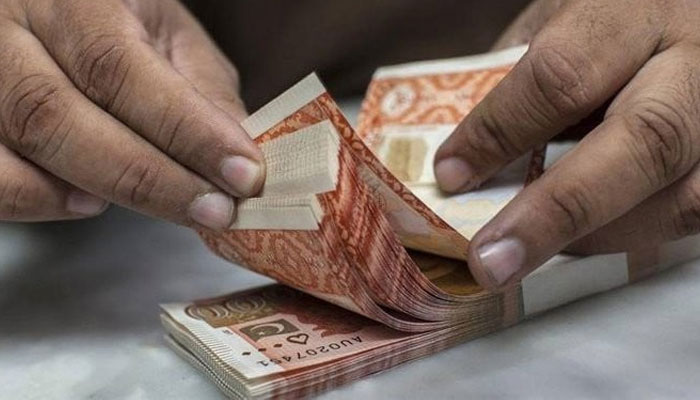
KARACHI: The Pakistani rupee has emerged as Asia's top-performing currency over the past 12 months, surging 2.5 percent against the US dollar, as the country's macroeconomic outlook improves following an International Monetary Fund (IMF) loan and foreign exchange market reforms.
The rupee's gains are a result of the IMF's $3 billion loan program and strict monetary and fiscal tightening, which have helped stabilize the currency.
The rupee gained 2.5 percent versus the US dollar from May 17, 2023 to May 17, 2024, according to the data provided by brokerage Topline Securities. During this period, the value of the Sri Lankan rupee increased by 2.2 percent in relation to the US dollar.
“After years of volatility, the Pakistani Rupee is finally showing signs of stability,” said Muhammad Sohail, the CEO of Topline Securities. “Over the past year, the Pakistani Rupee has emerged as the best-performing currency among Asian emerging and frontier markets.”
The data indicated that so far in this fiscal year, the local unit has gained 2.9 percent against the dollar, while the Sri Lankan currency has risen by 2.8 percent.
“The IMF stand-by loan coupled with strict monetary and fiscal tightening helped the currency in the last one year. Support from bilateral lenders and low current account deficit also helped rupee,” Sohail said.
Pakistan last month completed the IMF’s short-term stand-by arrangement programme, which helped stave off sovereign default. The IMF loan and external funding from other bilateral and multilateral sources, coupled with import restrictions, contributed to the improvement in the foreign exchange reserve position and current account balance.
The crackdown on illicit currency activities such as the smuggling of foreign currencies along with the exchange business reforms the SBP enacted in September also eased pressure on the currency. As a result, there was a significant decline in the exchange rate differential between the open market, interbank, and grey markets.
Traders are speculating whether the exchange rate may decline before the International Monetary Fund's next programme. Pakistan’s government is presently negotiating with the global lender for a longer and larger new loan programme. Currency depreciation may be one of the prerequisites for the upcoming Pakistan programme, as before securing any IMF programme. Traders anticipate that before securing the new IMF bailout, the local currency may somewhat weaken.
The latest country report from the IMF places a special focus on external account assessment as part of its emphasis on the currency rate functioning as a shock absorber and stresses the importance of avoiding any import restrictions. The report also stated that more actual depreciation would probably be needed to remove import restrictions.
Traders anticipate that the rupee will remain stable until June, at which point it might encounter downward pressure and drop to 292-295 per dollar by the end of December. In the interbank market, the rupee is now trading at 278 to the dollar.
The IMF in the report said the SBP has completed the transition of the interbank spot market to electronic trading, with a new centralized trading system (featuring anonymized bids) coexisting alongside the pre-existing bilateral trading venue.
“The FX market has been functioning more normally following SBP efforts to improve pricing transparency in the open market and strengthen the governance requirements for exchange companies. In particular, the premium between interbank and open market rates has remained negligible, and there is no evidence of pressures in the parallel market,” it said.
“The authorities have eliminated, effective January 31, the remaining multiple currency practices (MCP) related to exchange rates applied to transactions between the SBP and the government, and effective January 30, the remaining exchange restriction resulting from the limitation on advance payments for imports.” “The authorities are committed to a flexible exchange rate and a transparent interbank FX market, which are needed to support external sector rebalancing and the rebuilding of reserves,” it said.
“Staff welcomed the elimination of the remaining MCP and the exchange restriction, and steps to modernize the FX market environment.”


