
NEPRA pushes for market reforms, domestic coal shift in power sector
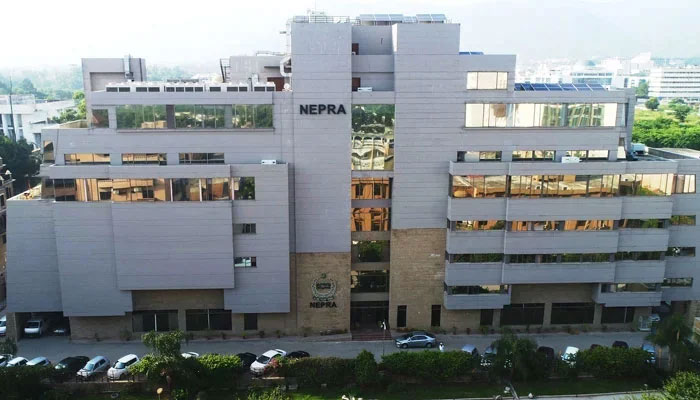
KARACHI: Minimising reliance on imported fuel and augmenting the power generation portfolio with indigenous resources are crucial for Pakistan’s energy security, according to analysts citing the National Electric Power Regulatory Authority (NEPRA)'s latest state of the industry report.
“NEPRA has rightly pointed out that this situation calls for increasing dependency and exploiting local coal resources. Currently, we are producing only 2,600 MW of power from Thar coal,” said Osama Siddiqui, a macroeconomic analyst.
Siddiqui mentioned that the government can also convert plants to run on Thar coal instead of costlier imported coal, adding that even in the case of 100 percent conversion, the return on investment is quick.
“The government can mine approximately 30 million tons of coal annually from Thar Block-II alone, which is the need of the time.”
He added that Thar, at peak load, contributes to approximately 10 percent of the energy sector, and it has a very positive effect on costs. If this share is further increased to 15-20 percent, electricity prices will decrease significantly, providing relief to businesses and the masses.
According to the latest State of the Industry Report by NEPRA, energy security has emerged as a pressing concern, even in developed countries.
“Addressing this issue requires meticulous planning, a shift towards market-based procurement, resilient Fuel Supply Agreements (FSAs), and effective Demand Side Management (DSM),” the report stated.
“A comprehensive, integrated, and harmonised approach is essential, focusing on enhancing efficiencies across all aspects of electric power services.”
The report notes that the power sector in the country has a diversified generation mix, heavily relying on imported fuels such as coal, re-gasified liquefied natural gas (RLNG), residual furnace oil (RFO), nuclear, and cross-border electricity, pegged against the US dollar.
Nevertheless, the availability of indigenous resources, including natural gas, hydro, local coal, wind, and solar, faces challenges due to either declining production or slower development. In FY2022-23, thermal generation, including imported fuels (coal, RLNG, RFO), accounted for approximately 62 percent of the total generation capacity.
NEPRA recommended that there is a need to implement measures to optimize the utilization of Thar coal, including transitioning from imported coal to locally sourced coal, reducing costs and enhancing energy security.







-
 Viola Davis Reacts To Her Viral Meme Moment Announcing Michael B. Jordan At Actors Awards
 -
 Jack White Deletes Instagram Post After Clarifying Comments On Taylor Swift Music
 -
 Amazon Shifts Defense Workloads, Keeps Claude For Other Tasks
 -
 Prince Edward Becomes New Worry For King Charles Amid Andrew Crisis
 -
 'Avatar Aang: The Last Airbender' Director Disagrees With Paramount's Decision To Move Toward Streaming Debut
 -
 'The Boys' Spinoff Showrunner Explains Series Shock Cancellation
 -
 Buckingham Palace Finally Reveals Reason Why Prince Edward, Sophie Skipped Commonwealth Day Service
 -
 Joshua Jackson Publicly Reacts For First Time To ‘Dawson’s Creek’ Co-star James Van Der Beek Death
 -
 Rihanna Leaves Town After Terrifying Shooting Incident At Beverly Hills Mansion
 -
 Savannah Guthrie Mom Nancy Was 'injured' During Abduction
 -
 'Curious' Sarah Ferguson Embarks On New Path After Andrew Arrest
 -
 Princess Anne Snubs Camilla As King, Kate, And William Look On
 -
 'Bridgerton' Star Hannah Dodd Recalls 'invasive' Scene From Season 4
 -
 Will King Charles Bow To Public Pressure Over US Visit Amid Middle East War?
 -
 Who's Itamar Ben-Gvir?
 -
 Meghan Markle, Prince Harry Issued Stark Warning Ahead Of Australia Trip