
5-year plans are a thing of the past; Time to dissolve the Planning Commission?
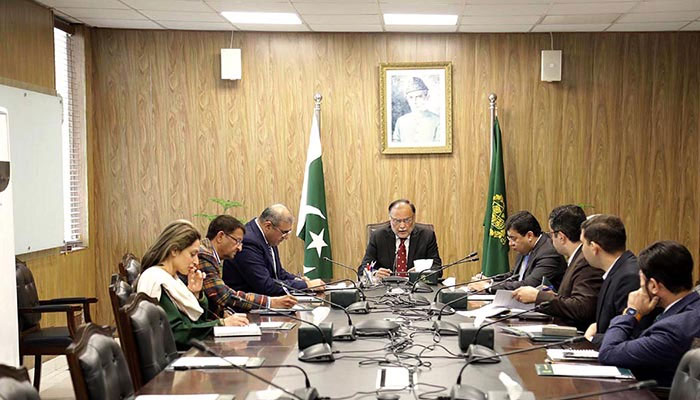
India discontinued traditional five-year plans in 2014. South Korea moved away from rigid five-year plans in the 1990s. Poland shifted away from central planning of the economy after the collapse of the Soviet Union. Hungary also gave up a central planning model. Romania, after the fall of the Iron Curtain, moved away from rigid central planning. Bulgaria has also given up central planning. Mexico no longer uses five-year plans.
India has shifted towards a more market-oriented approach with shorter-term action plans. South Korea now uses a combination of mid-term plans with rolling updates and a market-oriented approach. Poland now relies on a market-oriented approach with fiscal policy tools and strategic planning. Hungary now uses a market-based system with fiscal and monetary policy tools for economic development. Romania now utilizes fiscal and monetary policies alongside strategic development plans. Bulgaria now uses a market-oriented system with fiscal and monetary tools for economic management. Mexico utilizes a mix of market forces, fiscal and monetary policy tools, and sectoral development plans to guide economic growth.
In 2014, the government of India dissolved the Planning Commission, the body responsible for formulating five-year plans. India’s Planning Commission was replaced by NITI Aayog, a policy ‘Think Tank’ that focuses on directional and policy inputs for the government. This marked a shift towards a more market-oriented approach to economic development. Poland, Hungary, Romania and Mexico have all dissolved their Planning Commissions.
Here are five reasons why India, South Korea, Poland, Hungary, Romania, Bulgaria and Mexico moved awayfrom five-year plans: Beyond the bureaucracy: A group of government officials huddled in a room simply can't replicate the collective wisdom of the market. Entrepreneurs, businesses, and consumers, driven by profit motive, self-interest and innovation, are the true engine of economic growth. The government's role should be to create an enabling environment where these forces can thrive.
Rolling plans: This is a modern alternative to five-year planning. Rolling plans with frequent updates and scenario planning that considers various future possibilities. This is a more effective tool for navigating an interconnected, uncertain world.
Embracing market dynamics: Modern economic planning embraces adaptability. Five-year plans can get bogged down in short-term goals and miss the bigger picture. Letting market signals guide investment decisions can foster a more sustainable and long-term vision for economic development.
Limited agility vs. market responsiveness: Five-year plans are like bulky battleships - slow to turn. The market, on the other hand, is a nimble speedboat. By relying on market forces, the economy can adjust and react swiftly to new opportunities and challenges.
An unpredictable World: It is an interconnected world and the global economy is a whirlwind of surprises. Pandemics, technological disruptions, and geopolitical shifts can quickly render a five-year plan obsolete. Focusing on such a rigid timeframe limits the ability to adapt to changing realities.
Five-year plans are outdated in a rapidly changing world. Pakistan must allow market forces to play a leading role in shaping the economic landscape. We need to acknowledge that the global economic landscape is more akin to a dynamic dance than a rigid march following five-year plans. India, South Korea, Poland, Hungary, Romania, Bulgaria and Mexico all recognized this a long time ago, dissolving their planning commissions and embracing a more market-oriented approach. While strategic planning remains crucial, clinging to outdated five-year plans is like navigating a storm with a broken compass.







-
 Microsoft To Power Japan’s AI Future With Massive $10B Investment
 -
 Sharon Stone Names 'best Kisser' In Hollywood
 -
 Justice Department Shake-up: Pam Bondi Ousted As Attorney General Despite Close Ties To Trump
 -
 Markwayne Mullin Updates DHS Rules, Pauses Migrant Flights As Republicans Call For Stronger Action
 -
 Prince William Frustrated As Legal Hurdles Keeping Andrew In Royal Line Of Succession
 -
 Keke Palmer Reflects On Shocking Fan Proposal: 'I Knew Something Was Wrong'
 -
 Backstreet Boys Member Brian Breaks Silence Over Recent Controversy
 -
 Bruins Vs Panthers: Bobrovsky Shines As Florida End Boston Streak In Tight NHL Clash
 -
 Meghan Markle Shares Adorable Video Of Prince Harry Teaching Archie To Ski
 -
 Halle Bailey Gets Candid About Turning ‘diary Entries’ To Music
 -
 Todd Bridges Divorces Wife Bettijo B. Hirschi 3 Months After Announcing Split
 -
 Canucks Vs Wild: Boldy And Kaprizov Lead Minnesota To Playoffs As Vancouver End Season At The Bottom
 -
 Princess Beatrice, Eugenie Urged To Avoid Royal Ascot Despite King Charles’ Invite
 -
 Calgary Weather: Snow Brings Dozens Of Crashes During Second Spring Storm
 -
 Jessica Simpson Finds New Boyfriend After Parting Ways With Eric Johnson
 -
 Capitals Vs Devils: Jack Hughes Shines With Five Points As Devils Cruise Past Capitals