
Petroleum prices set to rise in March as global oil market heats up
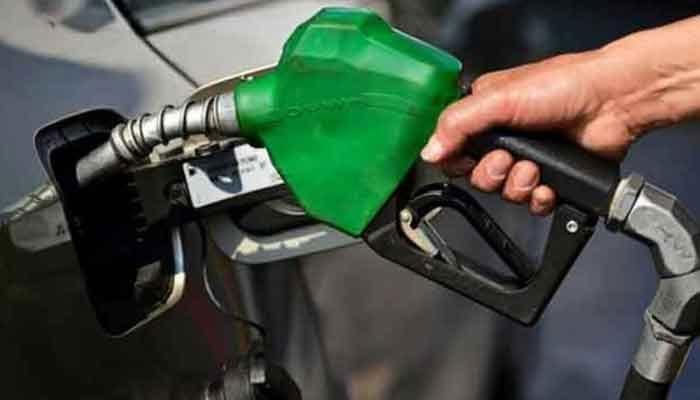
KARACHI: The government is set to raise gasoline prices by almost 2 percent for the first half of March, adding to the inflationary pressures on consumers as global oil prices climb amid a recovery in demand.
The price of gasoline will increase by Rs5 per liter to Rs292.33, while the price of high-speed diesel, widely used in transport and agriculture, will rise by Rs2 to Rs277.62, according to industry officials.
The price of light diesel oil, used for power generation in remote areas, will increase by Rs0.80 per litre, while the price of kerosene oil, used for cooking and heating, will rise by Rs0.70 per litre, the officials said.
Pakistan reviews fuel prices every 15 days and adjusts them based on the movements of global oil prices and the exchange rate of the local currency. The rupee has appreciated slightly against the dollar since the last price revision, trading at around 279.12 per dollar on Wednesday, compared with 280.26 on Feb. 14.
The final prices will be announced by the government on Monday night, after two more sessions of the oil market, and will take effect from March 1. The government will calculate the prices of petroleum products keeping in view monthly tax targets and estimated fuel consumption and supply cost of Pakistan State Oil, the state-owned oil company.
The latest increase in fuel prices will come after the government raised them by Rs8.37 and Rs2.73 per liter for gasoline and diesel respectively in the previous fortnight, following a surge in global oil prices.
Crude oil prices have gained about 10 percent in the first two months of 2024, as geopolitical tensions in the Middle East and reports of falling inventories boosted the market. Concerns over supply disruptions in the region also added to the worries.
Pakistan, which imports about 85 percent of its oil needs, has been grappling with a balance of payments crisis and soaring inflation, which stood at 28.3 percent in January.
The government has agreed to a series of painful measures, including raising taxes, hiking energy prices and allowing a market-based exchange rate, as part of a $3 billion loan deal with the International Monetary Fund in July last year to navigate a path to economic stability.
The higher fuel prices will have a knock-on effect on the cost of living and transportation in the country, where the sale of petroleum products declined by 4 percent year-on-year in January. The drop was mainly due to lower gasoline and diesel sales, as consumers cut back on their spending amid the economic slowdown.


