
Govt revives plan to deregulate kerosene and diesel prices
Tax imposed on oil products at Rs50/liter on both fuels after their deregulation
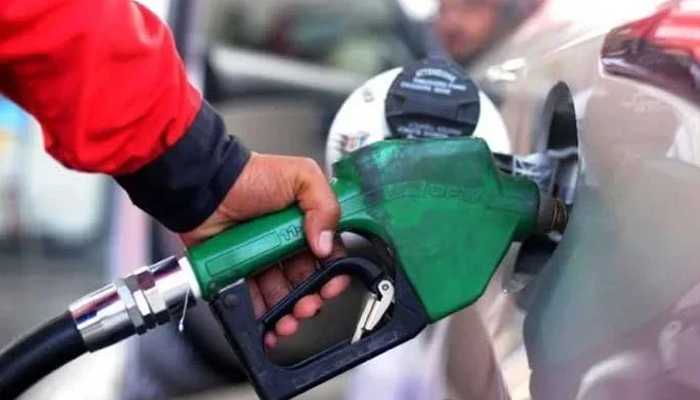
KARACHI: The government has resumed its efforts to deregulate the prices of kerosene and light diesel oil, two key fuels used by the poor and the agriculture sector, after shelving the plan in 2022.
The petroleum division has proposed to maintain the petroleum levy, a tax imposed on oil products, at Rs50 per liter on both fuels after their deregulation, according to an official document seen by The News.
The levy, which is currently capped at the same level, will be revised as per the rates notified by the government from time to time, the document said. The government had previously attempted to deregulate kerosene and light diesel oil in 2022, but the plan was rejected by the Economic Coordination Committee of the cabinet due to concerns over its impact on the poor and the farmers, who rely on these fuels for cooking, lighting and irrigation.
The proposal is part of a summary prepared by the petroleum division, which has been asked
to seek comments from the finance division, the Federal Board of Revenue (FBR), the Oil and Gas Regulatory Authority (OGRA) and other stakeholders, as the proposal contains financial implications.
The oil industry has long demanded the deregulation of all oil products, arguing that it would improve competition, efficiency and transparency. Currently, only furnace oil and high octane, two niche products with low demand, are deregulated, while the government sets the prices of high speed diesel, petrol, kerosene and light diesel oil every fortnight based on a formula that includes international oil prices, exchange rate, taxes and margins.
If the plan is approved, the government will only regulate the prices of high speed diesel and petrol, the two most widely used fuels in the country. Kerosene and light diesel oil account for less than 10 percent of the total oil consumption.
The move to deregulate kerosene and light diesel oil could have implications for the inflation rate, which has been hovering near 30 for the past few months, as well as for the fiscal deficit, which the government is trying to reduce under an International Monetary Fund program. The petroleum levy is a major source of revenue for the government, which target Rs869 billion from it in the current 2023-24 fiscal year.







-
 ‘Supergirl’ Fails To Knock Down 2026 Box Office Juggernaut
 -
 Colin Farrell Reveals How This Role Saved Him From Penguin ‘poison’
 -
 Hugh Jackman Reveals Why He Is Attracted To Anti-heroes
 -
 Changes Made To King Charles’ Official Role: Report
 -
 Footballer Héctor Bello Pays Tribute To Wife Who Died In Venezuela Earthquakes
 -
 Trump Administration Likely To Unblock Anthropic Fable 5 Soon
 -
 Nancy Guthrie Update: Hoda Kotb Put On Standby As Savannah Leaves ‘everyone Deeply Worried’
 -
 Taylor Swift, Travis Kelce Wedding: Street Closures Spark Backlash
 -
 King Charles Honours Local Heroes In Inspiring Parliament Speech
 -
 Scientists Find Ancient Microbial Life In Places It Shouldn't Exist
 -
 Ellen DeGeneres Faces New Backlash After Winning Battle Over English Estate
 -
 After Bill Gates Testimony, New Report Takes Lid Off Sarah Ferguson’s Secret Visits To Epstein
 -
 IPhone 18 Rumors: Everything You Need To Know
 -
 'The Bear' Ends With Heartbreaking Tribute To Rob Reiner
 -
 Prince Harry Bracing For 'nothing' Under King William's Reign
 -
 Madonna Recalls Being 'constantly' Kicked Out Of Homes Before Fame