
Children in jail
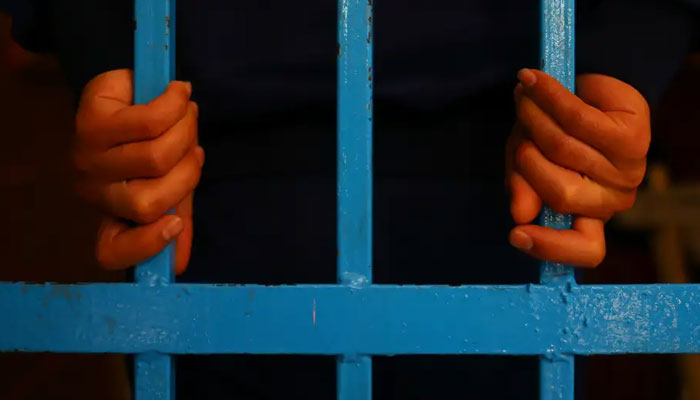
Pakistan has around 1,300 juvenile offenders in jail. Some of them are under-trial prisoners and are forced to live a life behind bars because neither they nor their parents have the means to afford to pursue court cases. But the fact that such a large number of children are in jail should be a cause for concern for authorities who should see this sorry figure as their collective failure. To its credit, the Sindh Human Rights Commission (SHRC) has recently asked the Sindh High Court to devise a mechanism to offer free legal aid to the 385 children incarcerated across the province. According to the data collected, the ages of these ‘prisoners’ range from 13 to 18 years.
There are several factors which lead to a child committing a crime. The first one is the kind of environment a child is exposed to at home. Domestic violence, loss of parents, financial difficulties, and other related traumas that a child faces at the early stages of life play a big role in turning him/her into a rebel. And when their fate takes them to people who boast about the rewarding world of crime, they do not think twice. People in our country rarely try to find out the factors that lead a child to commit punishable offences. The immediate reaction is to use brutal punishments against children so that they dare not repeat the offence. As a result, there are hardly any voices in favour of what society as ‘criminals’ who should not be allowed a chance at redemption.
At least 24 million children are out of school in Pakistan; most children come from low-income families where parents do not have enough means to provide the essentials to their children. Some run away from their houses at a young age and find themselves trapped in the world of crime and robbery. The lack of compassion shown by people towards such offenders also translates into these children not wanting to mend their ways. When they are released, their past mistakes keep them away from any opportunities that can help them lead a crime-free life. It is good that some organizations are thinking about these juvenile offenders’ rehabilitation and making a case for the early release of children who still have a chance to lead a respectable life. It is also equally important to ensure that all such detainees are treated humanely and with compassion. Jails should serve as corrective centres for children who may find themselves lost in an increasingly tough world. Similarly, authorities should consider tackling the factors responsible for pushing children into the abyss of despair.


