World Pneumonia Day is held annually on November 12 to raise awareness of pneumonia and the importance of prevention and treatment of the disease. You! takes a look…
health
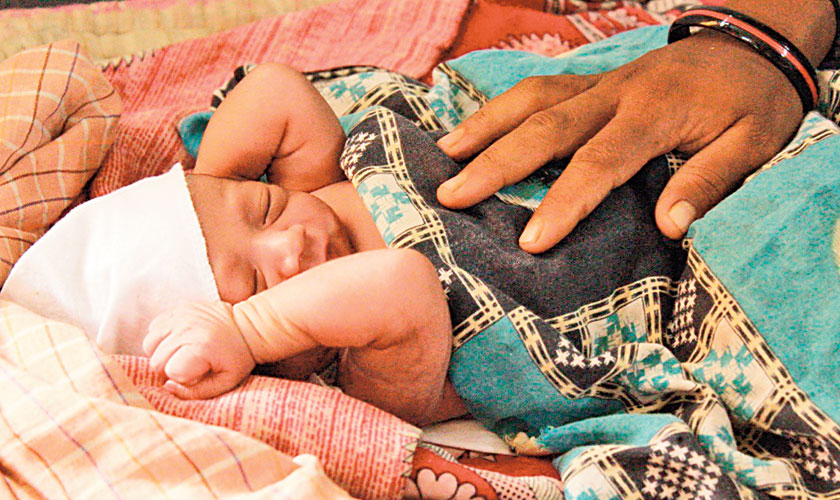
Pneumonia claims the life of one child every 39 seconds, according to analysis published by UNICEF last year. The respiratory disease is one of the leading infectious causes of child mortality globally, killing more children than diarrhoea and malaria combined, despite being easily preventable and treatable. Furthermore, five countries – including Pakistan – accounted for more than half of the child pneumonia deaths.
This year, World Pneumonia Day on 12 November 2020 will be held during a global pandemic that is dramatically increasing pneumonia deaths from Covid-19 and other causes. According to Stop Pneumonia, an initiative supported by WHO and UNICEF, Covid-19 could add 1.9 million to the death toll this year. This could increase ‘all-cause’ pneumonia deaths by more than 75 per cent. No other infection causes this burden of death. Disruptions to healthcare services are estimated to cause up to an additional 2.3 million child deaths – 35 per cent from pneumonia and new-born sepsis.
Although vaccines and other preventative efforts are decreasing the burden of the disease, much more work is still required. Especially those living in poor communities are at highest risk of pneumonia, and every child, regardless of where they are born, deserves access to lifesaving vaccines and medicines.
Pneumonia is an inflammation of the airspaces in the lung most commonly caused by infections. The infection can range from mild to so severe that you have to go to the hospital. It can make it hard for you to breathe in enough oxygen to reach your bloodstream. Bacteria, viruses, or fungi (infrequently) can cause the infection. There are also a few non-infectious types of pneumonia that are caused by inhaling or aspirating foreign matter (foods, gasses, liquids, and/or dust) or toxic substances into the lungs. Anyone can get this lung infection. But infants younger than age 2 and people over age 65 are at higher risk. That’s because their immune systems might not be strong enough to fight it.
There are several types of infectious agents that can cause pneumonia. The most common cause of bacterial pneumonia is Streptococcus pneumoniae. This type of pneumonia can occur on its own or after you’ve had a cold or the flu. It may affect one part of the lung, a condition called lobar pneumonia.
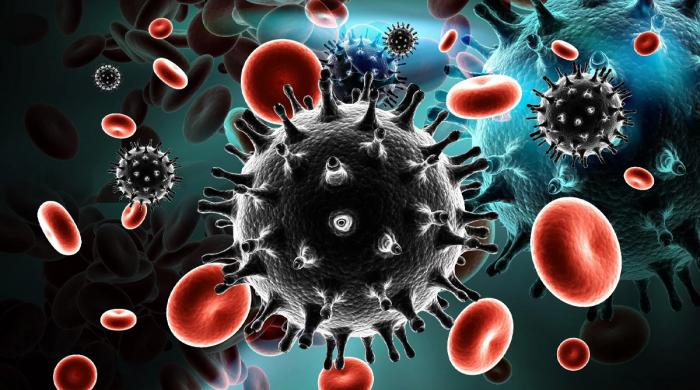
Next to that is the viral pneumonia for which respiratory viruses are often the cause - influenza (flu), respiratory syncytial virus (RSV) or a rhinovirus also known as the common cold. And, viruses are the most common cause of pneumonia in children younger than 5 years. Viral pneumonia is usually mild and can improve in one to three weeks without treatment. But in some cases (like the coronaviruses), it can become severe.
The third type is the fungal pneumonia which is caused by the fungi from soil or bird droppings. They most often cause pneumonia in people with weakened immune systems.
Your symptoms can vary depending on what’s causing your pneumonia, your age, and your overall health. They usually develop over several days. Common pneumonia symptoms include: chest pain when you breathe or cough; cough that produces phlegm or mucus fatigue and loss of appetite; fever, sweating, and chills; nausea, vomiting, and diarrhoea, shortness of breath. Along with these symptoms, older adults and people with weak immune systems might be confused or have changes in mental awareness, or they might have a lower-than-usual body temperature.
New-borns and infants may not show any signs of infection. Or they might vomit, have a fever and a cough, and seem restless or tired. If you have a new cough, fever, or shortness of breath, consult your doctor about whether it could be Covid-19. Illness with the new coronavirus can also lead to pneumonia.
On an individual level, one can do the following precautions and protect themselves and their children.
Get vaccinated: Vaccines are available to prevent some types of pneumonia and the flu. Talk to your doctor about getting these shots. The vaccination guidelines have changed over time so make sure to review your vaccination status with your doctor even if you recall previously receiving a pneumonia vaccine.
Make sure children get vaccinated: Doctors recommend a different pneumonia vaccine for children younger than age 2 and for children ages 2 to 5 years who are at particular risk of pneumococcal disease. Children who attend a group child care centre should also get the vaccine. Doctors also recommend flu shots for children older than 6 months.
Practice good hygiene: To protect yourself against respiratory infections that sometimes lead to pneumonia, wash your hands regularly or use an alcohol-based hand sanitizer.
Keep fit: Keep your immune system strong. Get enough sleep, exercise regularly and eat a healthy diet. Plus, avoid smoking as it damages your lungs’ natural defences against respiratory infections.
The Covid-19 crisis is unlike any we have seen before. This pandemic is presenting the world with ever-evolving, unprecedented challenges, and has highlighted the need for building strong and accessible health systems offering free-at-point-of-use health services. The rapid responses from governments have demonstrated that when health is prioritised, it is possible to mobilise much needed resources to protect the health of all citizens. Universal health coverage can no longer be a point of debate. Strengthening health systems now to cope with Covid-19 will also improve services for the prevention, diagnosis and treatment of childhood pneumonia and have a lasting impact on child survival over the long term.
Pakistan needs to build strong health systems, increase coverage and deliver proper healthcare by increasing domestic public health expenditure; prioritising spending at the primary health care level. Strong and equitable health systems are needed to adequately prevent, diagnose and treat pneumonia, and provide children with their basic human right to good-quality healthcare; without facing financial hardship.