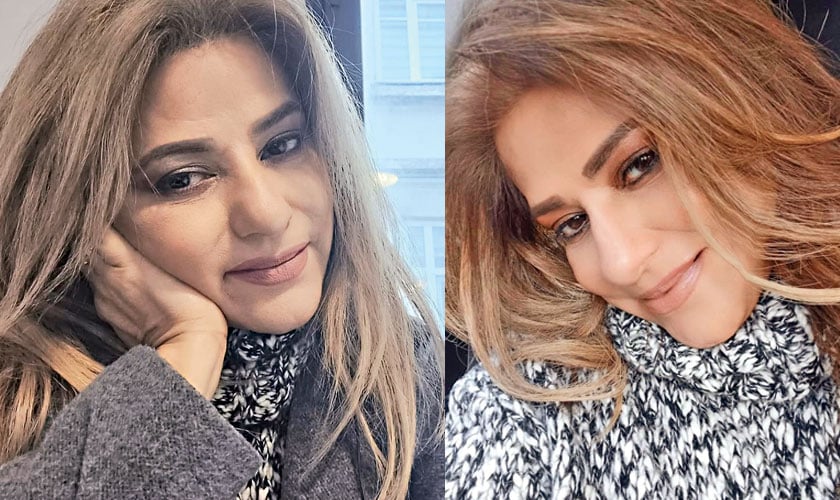
This week, actor Mariam Mirza shares her journey with our readers…
you & me
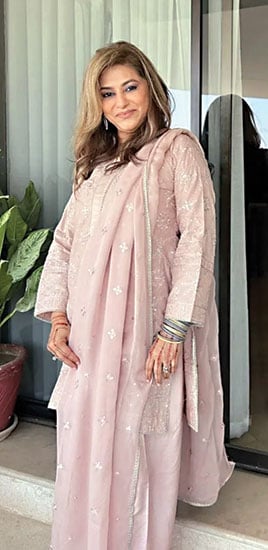
Some people drift into acting. Others juggle their way in. Mariam Mirza did the latter, moving through banking, beauty, and business while also landing into television. Her journey hasn’t followed a straight line, and maybe that’s what makes her presence on screen feel so lived-in.
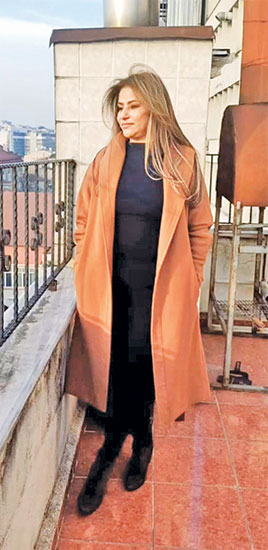
She’s played everything from strict mothers to conflicted wives and quietly suffering women. Some of her known dramas are ‘Khamoshi’, ‘Dar Khuda Se’, ‘Ghar Titli Ka Par’, ‘Pakeeza’ and ‘Aangan’. Beyond the world of acting, she’s held her own in entirely different fields. She once worked as an investment banker, ran a salon, and now heads sales at Azad Properties in Istanbul.
For now, she’s taking a breather from the screen. But a return is in the works with a film directed by Huma Sheikh. It’s unclear how prominent the role will be, but for those who’ve followed her career, it’ll be interesting to see how she shows up next. This week she shares her journey with our readers…
What initially drew you to acting?
Acting allowed me to experience the world through many different lenses. What truly captivated me was the power of storytelling, how it could move people, provoke thought, and resonate deeply, especially with young women. Playing characters who embodied strength, vulnerability, and complexity gave me purpose.
Was there a turning point that shaped your career?
One role stands out. I portrayed a mother in a telefilm inspired by real events. I had to immerse myself emotionally, let go of technique, and simply live the character’s truth. That experience changed how I approached my work and deepened my connection with the audience.
How has your approach to the craft evolved over time?
With time, I have come to value stillness and listening, not just on stage or screen, but in life. As I transitioned into other professional avenues, I noticed that my empathy grew. That emotional insight, I believe, is what truly refines an actor more than any technical skill.
How important is formal training in acting?
Training provides discipline and a foundation. It is essential. But equally important is observing life, reading deeply, and understanding human psychology. Great actors are not just skilled. They are emotionally intelligent and perceptive.
Auditions can be tough. What advice would you offer for navigating them and facing rejection?
Enter every audition prepared and grounded, not with desperation but confidence. Rejection is not personal. It is part of the process. Every experience, even a no is an opportunity to learn and refine your approach.
What personal traits do you believe are essential to thrive in this field?
Discipline, emotional awareness, humility, and a hunger to keep learning. Talent opens the door. Character determines how long you stay in the room.
What guides your choice of roles?
I am drawn to characters that challenge me emotionally, socially, or spiritually. I seek roles that have nuance, ones that speak to something larger even in subtle ways.
Can you describe a particularly demanding role and how you prepared for it?
I once played a character with a physical disability. It was both emotionally and physically demanding. Understanding her world took time, research, and collaboration with my director and co-actors.
You have stepped away from acting in recent years. What prompted that decision, and what are you focusing on now?
Life shifted. I moved into a different professional space, but my love for storytelling has not faded. These days, I am more interested in meaningful work. Narratives that uplift, educate, or challenge existing perspectives speak to me the most.
How have you managed to maintain a balance between personal and professional life?
By setting clear priorities. I chose peace and family over the chase for visibility. Fulfilment for me has never been about constant public presence. It has always been about emotional wellbeing.
How do you view the changes in the entertainment industry today?
The pace is faster. The platforms are more varied. Competition is fiercer. But the core remains the same. Authenticity. While digital reach is exciting, young artists need to stay grounded and focus on substance over spectacle.
In what ways do you hope to influence future artists?
By being honest about the ups, the pauses, and the pivots. The journey is not linear, and that is perfectly fine. Your purpose does not need to be loud to be valid. Stay curious. Be kind, to yourself and others.
Looking ahead, what do you hope for personally and professionally?
Personally, I wish for peace, health, and meaningful relationships. Professionally, I would like to guide others. Perhaps through teaching, mentoring, or returning to the screen when the right story finds me.
What has been the most important lesson life has taught you?
Always keep growing. Speak less and listen more. And remember, the way you treat people will outlast any recognition or award.