This week, You! explores Imran Qureshi’s latest exhibition, where art boldly challenges conventions…
exhibition
Art can be many things - a way to remember, a way to resist, sometimes just a way to pause and reflect. But it’s not always easy to understand, especially when it hides behind big words and sits neatly inside white-walled galleries that smell faintly of varnish and silence. Still, once in a while, an exhibition comes along that doesn’t try too hard. Imran Qureshi’s ‘Vanishing Points’, which was showcased at Alserkal Art Week 2025 in Dubai, was one of those rare moments.
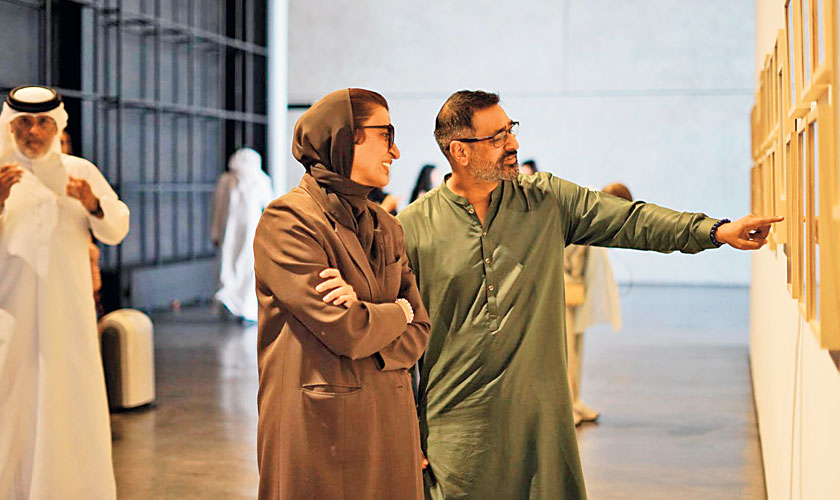
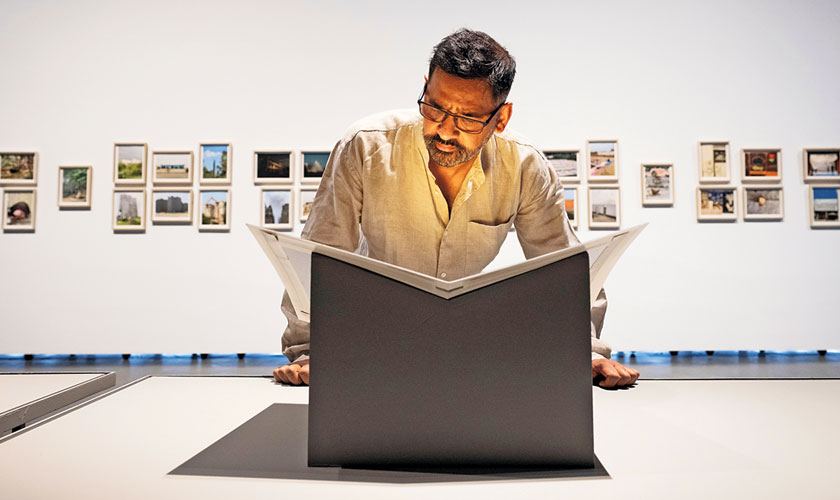
Held at Concrete, Alserkal Avenue recently, the show pulled off something not many manage to do - it felt both grand and deeply personal. Curated by Nada Raza and supported by Nature Morte Gallery, the exhibition brought together Qureshi’s signature fusion of the past and present: Indo-Persian miniature traditions met photography, site-specific installation, and contemporary digital touches. But don’t let the art-speak fool you. This wasn’t some abstract experiment in reinventing the wheel. If anything, it was a gentle reminder that the wheel, however old, still rolls just fine - especially when you give it space to move.
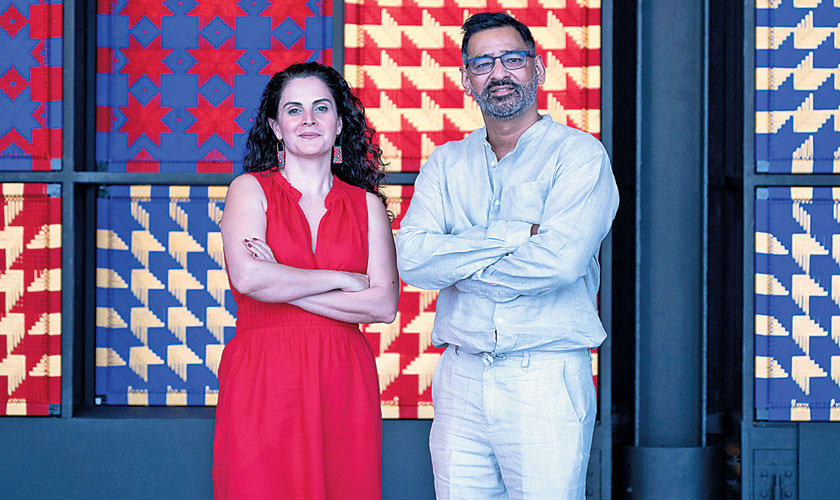
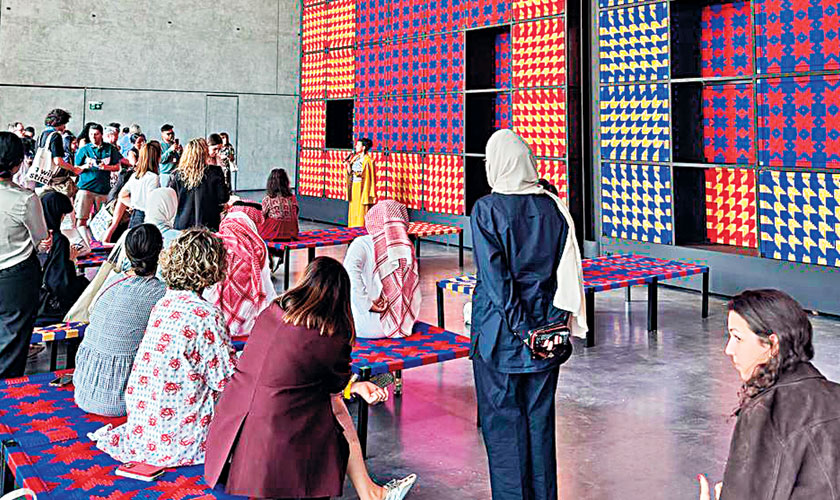
The first thing that struck visitors was the sheer scale of it. Qureshi’s installation spread across a towering wall in a series of loud-yet-thoughtful colours - red, blue, yellow - arranged in pixel-like grids that almost looked like embroidery or a broken mosaic. From afar, it resembled something digital, like a QR code gone rogue. Up close, though, the patterns felt almost handmade - intimate and intricate. It was one of those rare pieces where people didn’t just pull out their phones and move on. They paused. Looked again. And sometimes, sat down.
Yes, there were ‘charpoys’ - the traditional woven beds many South Asians have grown up seeing in courtyards, terraces, and verandas. Brightly patterned in the same colour scheme as the wall, they weren’t just there for decoration or nostalgia. They were part of the experience. They made you slow down. Sit. Take it in - not like you’re at a formal gallery but more like you’re visiting someone’s home where the art is quietly waiting for you to notice it.
The title ‘Vanishing Points’ did a lot of the heavy lifting. It hinted at disappearance, erasure, and shifting perspectives. And Qureshi, known for exploring contrasts like violence and beauty, old and new, faith and doubt, used this opportunity to blur the lines once again. He didn’t give you clear answers. Instead, he left room for interpretation.
Some of the visuals - partially blurred photographs, faded figures, and recurring uses of red - hinted at loss and memory, both personal and collective. Red, in Qureshi’s work, often carries emotional weight. It suggests blood, yes, but never in a graphic way. More like the residue of something painful. A scar rather than a wound. And placed in contrast with the orderliness of his grids and patterns, it made everything feel more human. Less curated, more real.
The photography added another layer. Often fragmented or slightly out of focus, the images seemed like memories caught mid-fade. Faces turned away. Landscapes cropped oddly. Details missing. And yet, somehow, the absence spoke louder than anything. If you’ve ever looked through an old photo album and felt something stir without knowing exactly why - that was the vibe.
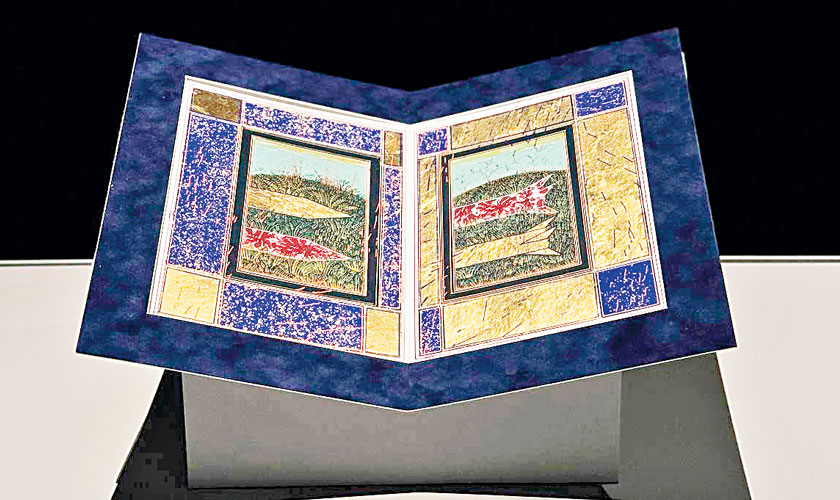
One of the subtle triumphs of the show was how it handled the idea of tradition. Indo-Persian miniature painting isn’t exactly light material. It is detailed, sacred, and historically rich. But Qureshi didn’t treat it like a fragile relic. He treated it like a living language - one that could be stretched, translated, and even joked with a little. The precision and care were still there, but so was freedom. He wasn’t trying to preserve tradition under glass. He was letting it move around, stretch its legs, and speak in a new accent.
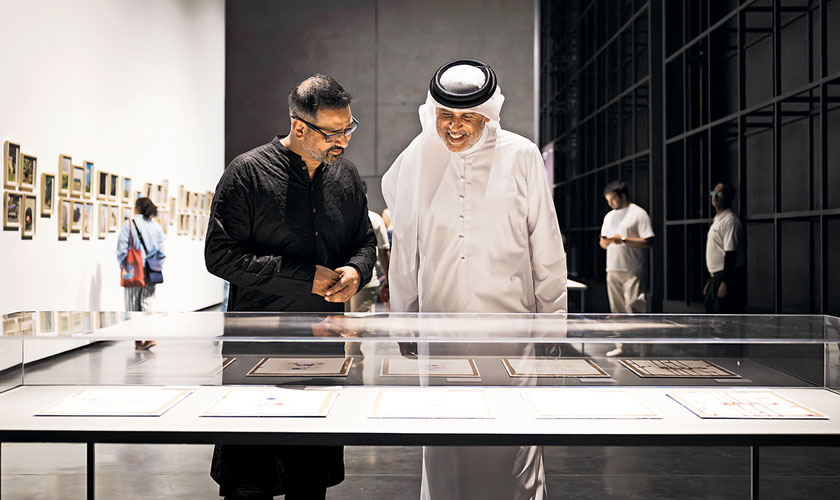
And yet, ‘Vanishing Points’ didn’t feel like an attempt to make art more ‘accessible’ in the patronising sense. It wasn’t art dressed up in cool fonts and hashtags. It didn’t pander. It simply welcomed you, however you showed up. Whether you were a seasoned collector, an art student, or someone who just wandered in because you needed a break from the Dubai sun, the show had something for you - even if that something was just a quiet moment to sit on a charpoy and stare at colours.
That’s the thing with Qureshi. He doesn’t try to impress. He doesn’t rely on shock value or gimmicks. He just pays attention - to detail, to history, to emotion - and then invites you to do the same. There’s a kind of quiet confidence in that.