The Prophet (S.A.W) used to take care of us in preaching by selecting a suitable time...

BITS ‘N’ PIECES
Narrated Ibn Mas`ud (R.A):
The Prophet (S.A.W) used to take care of us in preaching by selecting a suitable time, so that we might not get bored. (He abstained from pestering us with sermons and knowledge all the time).
Sahih Bukhari, Volume 1, Book 3, Number 68
The Trans-Siberian Railway is the longest single-rail system in the world.
Stretching across the vast expanse of Russia, the Trans-Siberian Railway runs from Moscow in the west to Vladivostok on the Pacific coast in the east. Covering a distance of over 9,200 kilometres, it links Europe with Asia and takes passengers on an extraordinary journey through forests, mountains, steppes and cities. It crosses eight time zones and passes through nearly ninety towns and cities.
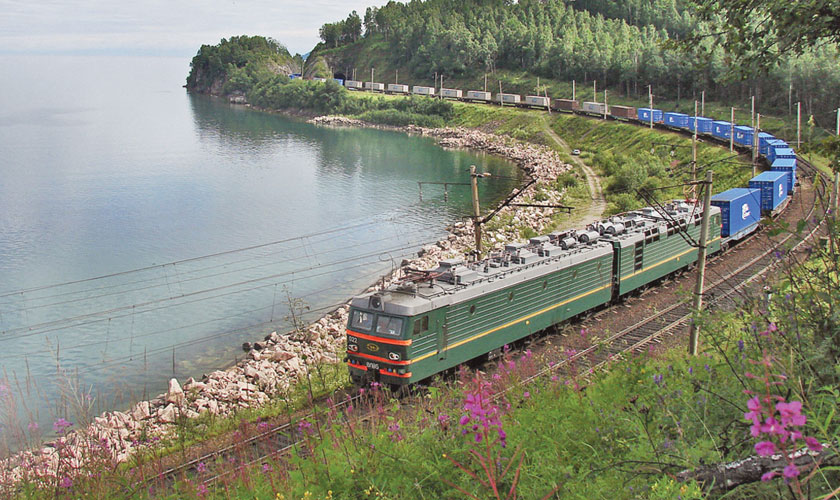
Construction of the railway began in 1891 during the reign of Tsar Alexander III and continued for more than twenty-five years. It was built to strengthen trade, promote settlement in Siberia and unite the farthest corners of the Russian Empire. Despite the challenging terrain, extreme weather and vast distances, the project was completed in 1916. Since then, it has remained an important transport link for both goods and passengers, symbolising Russia’s unity and ambition.
A journey on the Trans-Siberian Railway is an experience unlike any other. Travelling the full length takes about seven days if one remains on the same train throughout. Many people say the train ‘does not stop’ for seven days, but in reality it makes several scheduled halts along the way. Some are brief, lasting only a few minutes, while others can be up to an hour long for refuelling and maintenance. These stops allow passengers to stretch their legs or buy food from local vendors, offering a glimpse of life in different parts of Russia. The train passes through major cities such as Yekaterinburg, Novosibirsk, Irkutsk and Khabarovsk. Along the way, travellers witness the incredible variety of Russia’s geography—from the plains of European Russia to the Ural Mountains, the endless forests of Siberia and the shores of Lake Baikal, the deepest freshwater lake in the world.
Today, the Trans-Siberian Railway continues to play an important role in both passenger travel and freight transport. It serves as a key trade route between Russia, China and Europe, carrying goods such as oil, coal, timber and manufactured products. Over the years, it has also become a major tourist attraction, drawing adventurers from around the globe eager to experience one of the most iconic train journeys ever made.
More than a century after its completion, it remains a living testament to human ingenuity and the timeless allure of travel across the world’s largest country.