Today, a fully decorated truck is a masterpiece. Artists use bold colours like fiery red, deep green and bright yellow....
ARTSCAPE
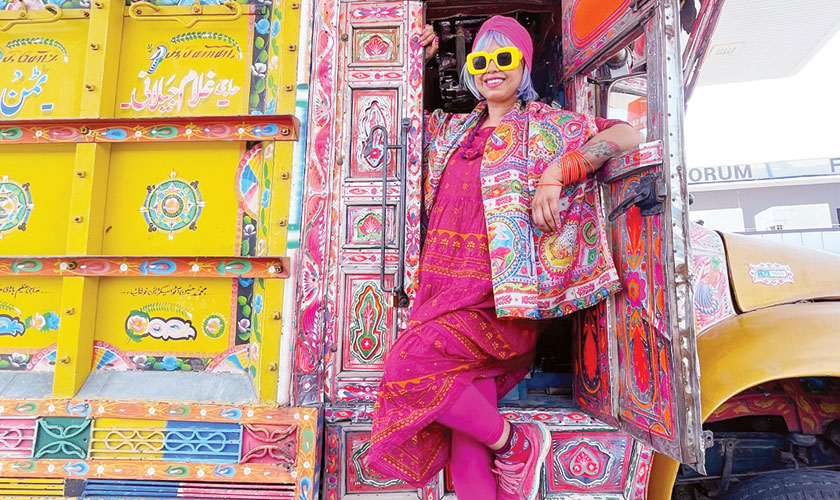
I am sure you all have seen them - colourful eye-catching trucks covered in bright paintings glittering mirrors and poetic Urdu phrases. This is our country’s famous truck art, a unique tradition that turns ordinary vehicles into rolling pieces of art. This is not just visual flair: it is a living tribute to culture, creativity and the hardworking spirit of truck drivers.
Truck art did not start as an art form, it began as a way for truck drivers to personalise their vehicles. Back in the 1920s, when British-made Bedford trucks were first brought to the Indian subcontinent, local drivers began decorating them with simple designs. Over time, these decorations became more elaborate, blending Mughal patterns, Islamic calligraphy and folk art, eventually evolving into the distinctive truck art that Pakistan is known for today.
Today, a fully decorated truck is a masterpiece. Artists use bold colours like fiery red, deep green and bright yellow. Detailed patterns of flowers, birds and geometric shapes, glossy mirrors and polished metal sparkle in the daylight. Poetic messages, sometimes funny and sometimes spiritual, are written in beautiful Urdu script. Blood, sweat, gears - every truck has a story. Some feature portraits of famous leaders, others show scenes from nature, and many include religious verses for protection on long journeys.
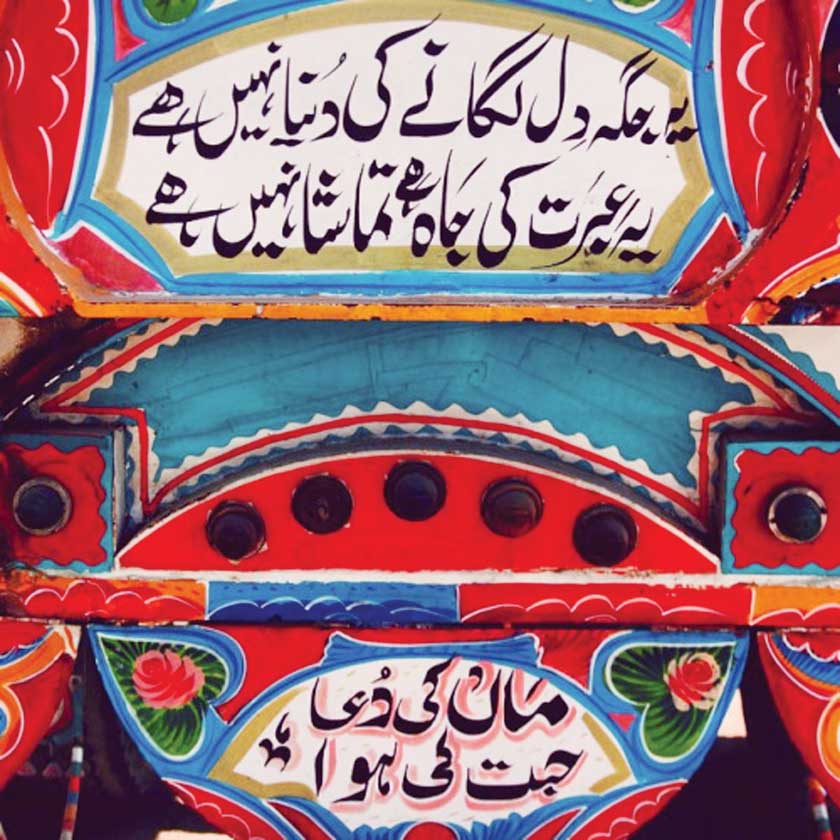
Truck art is not only just appealing; it is an important part of Pakistan’s culture and economy. For artists, it is a way to earn a living. Skilled painters and metalworkers work for weeks to convert basic trucks into artistic showpieces on wheels. For drivers, riding in a decorated truck makes them feel seen and valued. A well painted truck attracts more customers and shows off the owner’s personality. It is a form of street art that represents the country’s creativity. Unlike museums, this art is alive; it travels on highways, through cities and across borders.
Pakistani truck art has also gained international recognition in recent years. In Australia, exhibitions and workshops such as those held at the Parramasala Festival in Sydney and The Summit Community Centre in Adelaide Hills have drawn large audiences eager to experience the country’s vibrant culture. Collaborative projects like the ‘Bus Art Project’ featuring images from both Pakistan and Australia have also impressed and captivated people in both the countries.
But despite its beauty, truck art is still not as famous as it should be. Many people outside Pakistan have never heard of it, and the artists behind these designs often struggle to make a decent living. If we want to keep this beautiful tradition alive, we need to promote it not just in Pakistan but around the world.