The edges of the photograph are soft and blurred, its colours bleeding into a ghostly palette by the floodwaters....
SPEAK OUT
The edges of the photograph are soft and blurred, its colours bleeding into a ghostly palette by the floodwaters. Yet the smile of the child in the picture is unmistakable. For Ayesha, clutching this sodden rectangle of paper is like holding onto a heartbeat from a life before the river claimed her home. When she stumbled back to the ruins, her hands did not search for money or documents. They searched for this memory. The flood stripped her house bare, but what water couldn’t wash away was her need to remember, to hold on, to live.
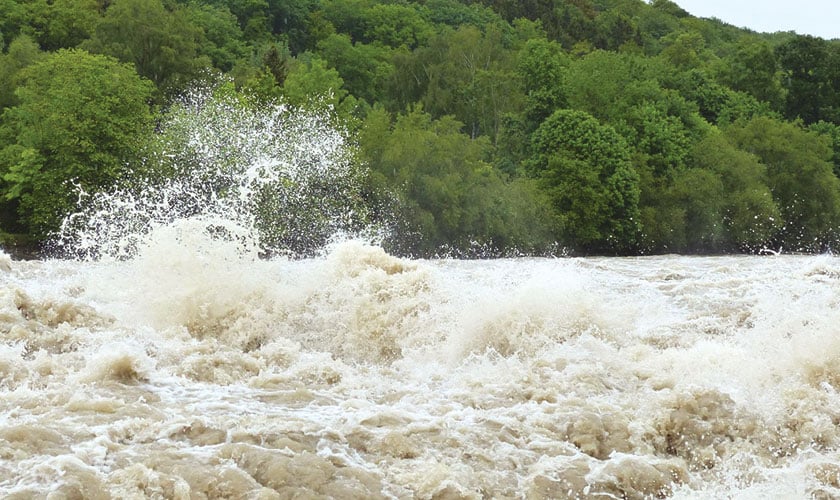
In the summer of 2025, Pakistan once again drowned. From the mountain valleys of Khyber Pakhtunkhwa to the plains of Sindh, the skies opened without mercy. What had once been streets became rivers; what had once been rivers became seas. For the children, the ocean isn’t a distant horizon – it is the nightmare that swallows their schoolyards. The hopscotch squares they had chalked on dry ground are replaced by treacherous currents that carry away their textbooks and toys.
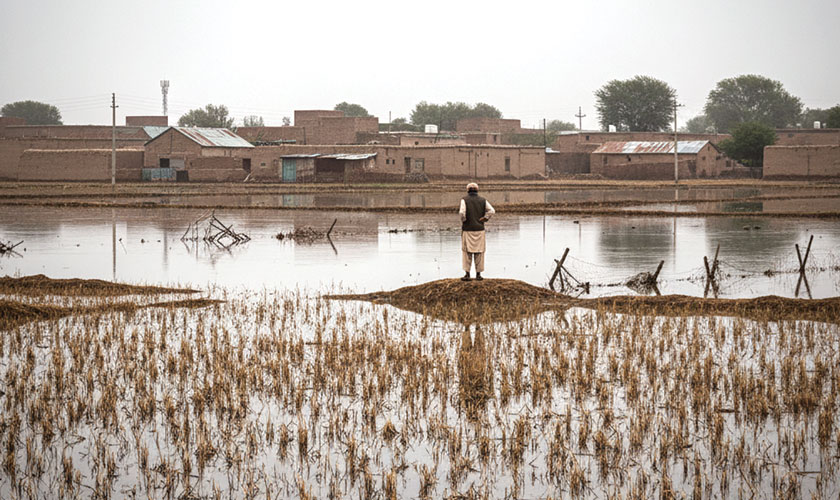
For Anwar, a farmer in southern Punjab, the flood means more than just water. It is the grave of his wheat. The fields that once shimmered gold now lie beneath stagnant brown, a burial ground for his livelihood. “The crop was ready,” he whispers, staring into the horizon as though the harvest still lingers there. “Ready to feed my family. Now the earth is a stranger.”
And yet, the deepest wounds are not carved into soil or brick – they are etched into human memory.
In a relief camp outside Sukkur, an elderly man sits on a cot. His home is gone, washed away in the night, but he can still describe every crack in the ceiling he built with his father. He runs his fingers through the air as if tracing those lines again. The water took the walls, but not the blueprint in his mind. This is what water couldn’t wash away.
Nearby, Ayesha tears her last roti in half and presses one piece into the hand of a child who isn’t hers. Hierarchies of blood blur. In those muddy tents, kinship is redefined: the community becomes the new family. This solidarity is what water couldn’t wash away.
Even stripped of possessions, men and women rise at dawn to wash in buckets, to comb their hair, to hold on to fragments of dignity. In silence, they declare: “We have lost everything, but not ourselves.” This dignity is what water couldn’t wash away.
But scars are not always visible. Beyond hunger and disease, another disaster brews, one that statistics cannot capture. A generation of children is learning that the sky can bring not just rain, but ruin. They learn that the river can betray. This trauma – quiet, corrosive, unhealed – is the inheritance we risk leaving them.
What water couldn’t wash away are their nightmares. Ayesha’s daughter still wakes at night, clutching her mother’s arm, whispering, “Will it come again?”
If left unaddressed, these invisible wounds will ripple across decades, weakening the resilience of our future citizens long after the mud dries.
And yet, the flood is also a mirror. It reflects not only the fragility of our homes but also the strength we often forget. It shows us that our infrastructure is paper-thin against a changing climate, yes, but it also reveals an undercurrent of solidarity that no water can erode.
In villages where caste once divided, people now eat from the same pot. In cities where wealth drew lines, citizens cross them to deliver food, blankets, medicine. Humanity remembers itself. The water washes away walls, but not the possibility of a society built on compassion.
This testimony cannot end in silence. To our authorities: rehabilitation is not just rebuilding houses. It is restoring dignity. That means aid distribution visible on public portals. Relief camps where counsellors sit beside doctors. Cities planned not against the poor, but for their protection.
To the public: our compassion cannot be a seasonal flood, rushing in only when the cameras are watching. It must be a steady river. Support long-term NGOs. Demand accountability from your representatives. Make daily choices – in how you consume, conserve, and vote – that honour the struggle of those who lost everything to a crisis they did not create.
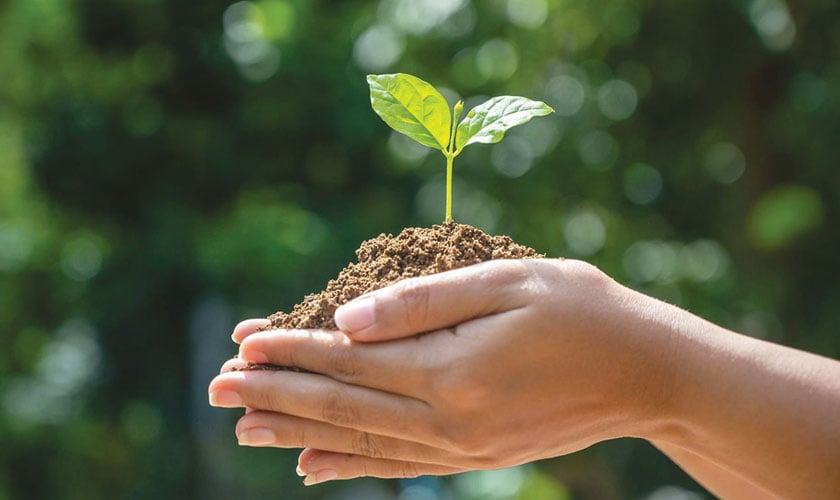
In the thick, unforgiving mud outside her ruined home, Ayesha’s son presses a sapling into the earth. His hands, raw from digging through wreckage, pat the soil around the fragile stem. The flood has taken his school, his toys, his sense of safety. But as he bends over that sapling, it becomes clear: what water couldn’t wash away is the stubborn human instinct to plant a seed when all seems lost.
Our duty is to become the rain that helps that seed grow, to ensure his hope does not drown in apathy.
Because what water couldn’t wash away is not only memory, spirit, and dignity. It is the unbroken belief in tomorrow.