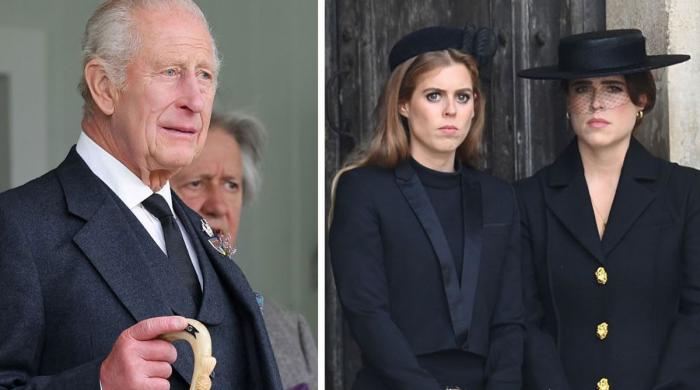
Pink was traditionally associated with boys, while blue was associated with girls....
1. The human eye can see about 1 to 10 million colours.
2. Men and women see colours differently.
3. Charles Darwin invented the colour wheel.
4. Red food dye is made from crushed bugs.
5. Purple was historically expensive because purple dye was made from
the mucus of rare sea snails.
6. Red is considered the most popular colour in the world.
7. The fruit orange was named after the colour.
8. Pink was traditionally associated with boys, while blue was associated with girls.
9. Humans can see more colours than birds.
10. The Sun is yellow.
ANSWERS
1. True. Millions of special cone cells in the eye work together to detect and perceive colour. If certain cones malfunction, people have colour blindness and can’t see certain colours or shades. People who have tetrachromacy have an extra type of cone and can see up to 100 million colours.
2. True, particularly when it comes to the red-orange spectrum. Women have better colour perception. The difference is linked to a gene on the X chromosome. Since women have two X chromosomes, they can see more shades than men.
3. False. Isaac Newton did, using a prism to turn white light into a rainbow.
4. Eww but true, at least if we are talking about carmine – cochineal extract or natural red 4 – which is made from crushed cochineal insects.
5. True. It took 9,000 sea snails to make a single gram of Tyrian purple dye.
6. Nope, it’s blue. Brown is among the least favourite.
7. False. It’s the other way around – the fruit came first. The colour was known as “yellow-red” before the English-speaking world came across the fruit.
8. True. In Western culture until the mid-20th century, pink was considered more masculine while blue was considered delicate.
9. False. Birds have four types of colour receptors in their eyes, while humans have three, enabling birds to see into the ultraviolet range which is beyond human perception.
10. Nah, it’s white. The Earth’s atmosphere scatters light and makes the Sun appear as if it is yellow or orange.