The intensification of climate extremes is exacerbating Pakistan's dual challenges of energy poverty and climate vulnerability, a condition known as summer energy poverty.
POWER PROBLEMS
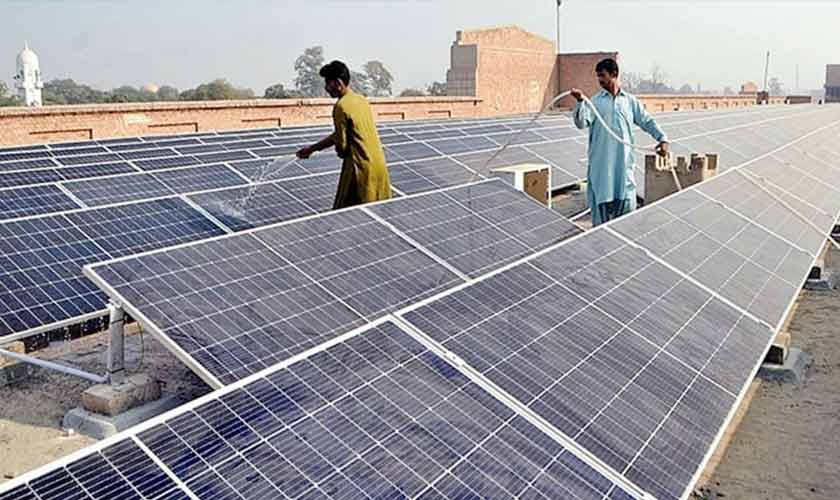
The intensification of climate extremes is exacerbating Pakistan's dual challenges of energy poverty and climate vulnerability, a condition known as summer energy poverty.
For a significant portion of the population, this translates into tangible hardship, as recurrent power failures disrupt critical services, hinder economic activity, pose health risks and deepen social inequalities. This situation necessitates the development of a national energy resilience framework aimed at securing reliable energy, reinforcing grid infrastructure, promoting decentralised renewables and deploying affordable, efficient cooling solutions for the most heat-exposed and energy-insecure populations.
Each summer, rising temperatures drive demand for cooling, pushing an already fragile grid to the brink. And just when electricity is needed most, power cuts become routine. Pakistan’s challenge is structural. Poor housing, weak infrastructure and entrenched energy poverty magnify exposure. With cities like Jacobabad hitting 49 C, thermal comfort is now a matter of survival. Informal settlements, home to nearly 30 million urban residents, lack basic services and remain most at risk. For those in tin-roofed or concrete homes, extreme heat can mean illness, distress or even death.
Energy poverty is often reduced to electricity bills. Yet, it reflects a far deeper deprivation: the inability of households to access or afford reliable, modern energy for essential services such as cooling, lighting and cooking. Women, children, the elderly and outdoor workers are among the most exposed. Substandard homes trap heat, while revenue-based load shedding punishes paying consumers. Even middle-class families struggled this summer, relying on small-scale solar panels, limited battery storage or diesel generators to cope with an unreliable grid. Wealthier households shield themselves with energy-efficient appliances, upgraded homes and larger rooftop solar systems.
Despite vast spending on power subsidies, energy poverty remains widespread. Untargeted support benefits many who are not truly vulnerable, including higher-income consumers with partial solar access. Subsidising all consumers is fiscally unsustainable and socially unjust. Pakistan must shift to vulnerability-based targeting, guided by indicators such as income, housing quality, geography and reliability of access etc.
At its core, summer energy poverty is about inequality: not only exposure to heat, but the ability to cope with it. It has become a public health emergency, driving heatstroke, dehydration and cardiovascular illness, alongside psychological stress, lost productivity and deepening economic hardship.
Cooling poverty has become a critical public health risk in extreme heat. Yet access to cooling remains deeply inequitable and energy-intensive, driven by inefficient appliances, poor building standards and unregulated urban growth. Too often, it is equated solely with air conditioning, when true resilience lies in rethinking how we build and plan. Passive cooling, through insulation, shading, orientation and ventilation, can drastically reduce reliance on energy-intensive appliances. According to the International Energy Agency, simple design interventions such as proper insulation and exterior shading can cut a building’s cooling demand by up to 80 per cent. In contrast, passive cooling techniques such as natural ventilation can lower indoor temperatures by as much as 9 C.
Pakistan must move beyond short-term relief towards systemic resilience by building climate-resilient energy infrastructure and urban systems that address summer energy poverty and protect the most vulnerable
Pakistan’s cities, however, remain heat traps. Dense concrete settlements and scarce greenery have turned Karachi and Lahore into urban heat islands. Affordable solutions exist, from white rooftops and shaded facades to rooftop gardens and breathable materials, yet they remain rarely implemented. To change this, housing policy and low-income schemes must incorporate insulation, ventilation and climate-appropriate materials as standard practices. At the same time, research institutions should advance culturally grounded climate-responsive design.
Rising temperatures strain not only people but also the systems meant to provide relief. Hydropower falters under glacial retreat and erratic rainfall; thermal plants lose efficiency in extreme heat; and dust storms and humidity trip transmission lines. Globally, over 80 per cent of major outages since the year 2000 have been linked to extreme weather. Pakistan’s grid, designed for a milder climate, is acutely vulnerable. Therefore, power grid resilience requires real-time monitoring, preventive maintenance and adaptive design to prevent cascading failures. But supply-side fixes alone are not enough.
Energy efficiency is equally vital. Pakistan’s cooling load, nearly 16,000MW, stems largely from inefficient appliances and heat-trapping buildings. Minimum performance standards, appliance labelling and targeted incentives can curb demand and lower bills. Pakistan’s fan replacement plan can ease some peak load pressure and lower household bills, but its impact hinges on coordinated supply chains, strict quality control, and effective uptake. The National Energy Efficiency and Conservation Policy 2023 provides a framework for such standards, but its success depends on strict implementation and alignment with housing and urban planning
Expanding cooling access cannot come at the cost of worsening the climate crisis. Air conditioners may be vital in extreme heat, but they sharply raise peak demand and strain an already fragile grid. A single air conditioner consumes over 1,000 watts, compared to just 50–80 watts for a ceiling fan. Without efficiency standards and enforced building codes, Pakistan risks locking in unsustainable demand and emissions. The IEA warns that cooling will soon become the single largest driver of global electricity demand. Pakistan cannot afford to follow that path.
Summer energy poverty can no longer remain a peripheral policy concern. Pakistan needs a comprehensive national energy resilience framework that guarantees affordable, climate-resilient, and efficient cooling, decentralised renewable access and a reliable electricity supply. Locally tailored energy action plans must combine targeted support for vulnerable households with climate-responsive demand-side reforms and improved grid reliability during peak heat.
Public health budgets should secure uninterrupted electricity for life-saving cooling and essential healthcare services, while climate risk and energy justice must be embedded across housing, urban planning and energy governance. Partnerships between academia, think tanks, civil society and the private sector will be vital to bridging the energy divide and protecting those most at risk.
While Pakistan rightly calls for fair climate finance, it cannot delay domestic responsibility. Global funding is limited; what is needed is structural reform and equitable public-private partnerships to protect the most vulnerable and build long-term resilience.
Ultimately, thermal comfort is not a privilege but a necessity for survival. Summer energy poverty is an escalating humanitarian and energy justice crisis. Pakistan must move beyond short-term relief towards systemic resilience by building climate-resilient energy infrastructure and urban systems that address summer energy poverty and protect the most vulnerable.
The writer is an academic and researcher based in Jamshoro. He can be reached at: hussainshafqat.memon@gmail.com