China discovers new mineral on moon that could produce unlimited energy
With this new discovery, nations might have just found a new reason to journey to the moon
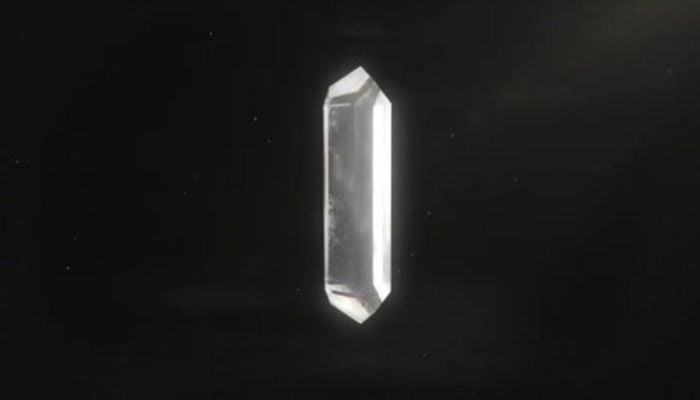
China has discovered a moon crystal called Changesite-(Y) made up of a material previously unknown to us via lunar samples collected by China’s Chang'e-5.
In 2020, the Chinese mission came in contact with the surface of the moon from where it collected nearly two kilos of Moon rocks and delivered them to Earth.
China believes that this mineral might be a key ingredient for nuclear fusion and could be a way to produce unlimited energy, New Atlas reported.
The moon's surface is mostly a mystery to humans. It has not been explored enough or revisited in decades. However, with this new discovery, nations might have just found a new reason to journey to the moon.
Scientists have been trying to find ways to harness unlimited energy for a while now. If they can find out what ingredients make this Moon crystal and reproduce those components, it could allow humans to produce energy without having to burn fossil fuels and cause pollution.
One of the main ingredients they found in the lunar crystal was helium-3. The element is considered a stable source of fuel for nuclear fusion reactors. Being extremely rare on Earth, it is not readily available and is even harder to produce.
However, since it seems to be abundant on the moon, it could be taken from there to create power and make nuclear fusion reactors more usable.


-
 NASA Artemis II crew to break Apollo 13 distance record
 -
 New study investigates phenomenon surpassing the speed of light
 -
 Polar Vortex enters final ‘seasonal’ phase: Rare shift signals winter weather risks into April
 -
 Why NASA Artemis II won’t take straight path to Moon: ‘Figure-8’ route explained
 -
 Even in space: NASA Artemis II astronauts hit Outlook glitch mid-mission
 -
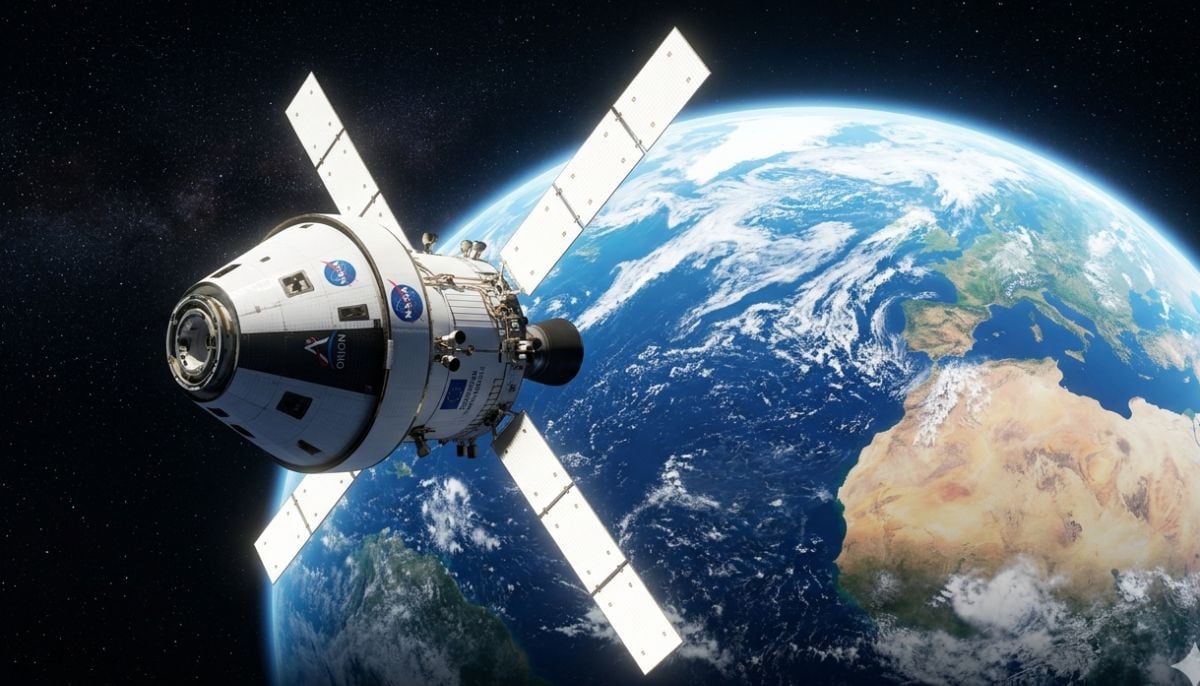 Artemis II hurtles ever closer to the lunar far side
 -
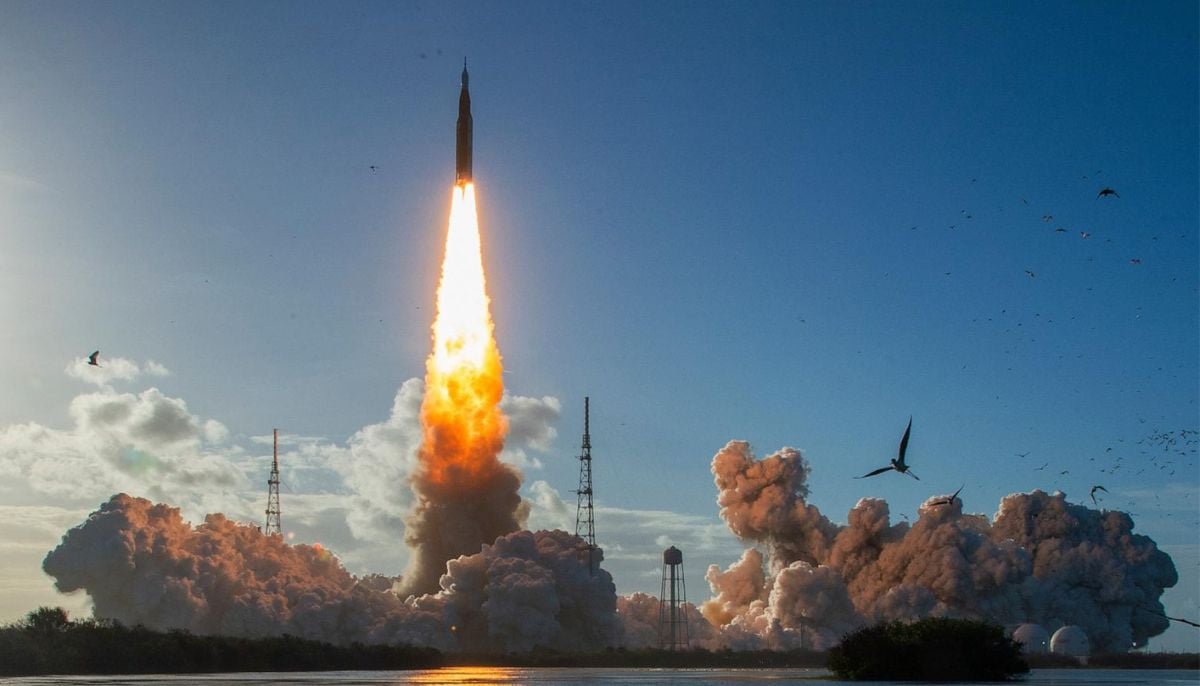 Where is Artemis II today? Here is everything to know about NASA’s journey to the moon
 -
 European Space Agency to negotiate with NASA on future lunar missions