
Revival of loan programme: Pakistan-IMF talks begin in Qatar
"The government will try to convince the IMF that for political stability purposes it is important to keep at least some of the subsidies," says economist Shahrukh Wani
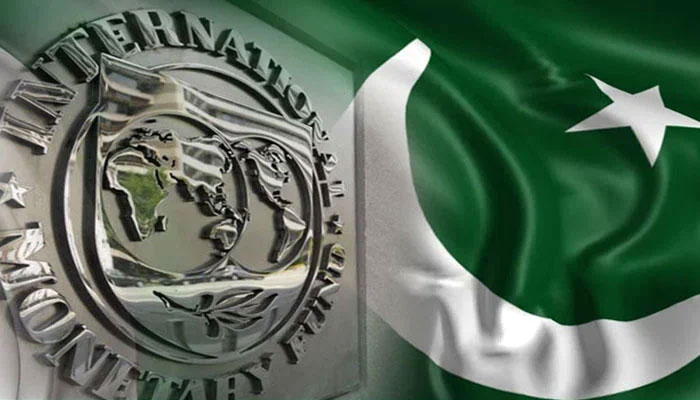
ISLAMABAD: The International Monetary Fund (IMF) began talks with the Pakistani officials on Wednesday over the release of crucial funds, a process slowed by concerns about the pace of economic reforms amid domestic political pressure on the new government.
Pakistan has repeatedly sought international support for its economy, which has been hit by crippling national debt, galloping inflation and a plummeting rupee.
The talks are being held in the Qatari capital Doha, Pakistan's finance ministry said, and are expected to continue into next week.
Taking to Twitter, the Ministry of Finance confirmed the report and said that Finance Minister Miftah Ismail, Acting Governor SBP Murtaza Syed, FBR Chairman Asim Ahmad and others joined the meeting virtually.
Related Stories

A major sticking point is likely to be over costly subsidies -- notably for fuel and electricity - and Finance Minister Miftah Ismail said he wants the two sides to "find a middle ground".
"The government will try to convince the IMF that for political stability purposes it is important to keep at least some of the subsidies," said economist Shahrukh Wani.
"The IMF will possibly, rightly, say that these are unsustainable and they should be rolled back to make the trade and budget deficit manageable," he added.
A six billion dollar IMF bailout package signed by former prime minister Imran Khan in 2019 has never been fully implemented because his government reneged on agreements to cut or end some subsidies and to improve revenue and tax collection.
Islamabad has so far received $3 billion, with the programme due to end later this year.
Officials are seeking an extension to the programme through to June 2023, as well as the release of the next tranche of $1 billion.
Prime Minister Shehbaz Sharif, who took power with a coalition that removed Khan in a no-confidence vote last month, has vowed to jumpstart the moribund economy, but analysts say his fragile government has failed to take tough decisions.
"It's an administration that has refused to take hard political steps to bring eventual economic relief - but that's exactly the sacrifice it must make by going to the IMF," said Michael Kugelman, deputy South Asia director at the Wilson Center in Washington.


-
 Is the US stock sell-off nearing an end? Investors seek answers
-
 Anthropic like SpaceX takes an unusual approach to its IPO: Here’s why
-
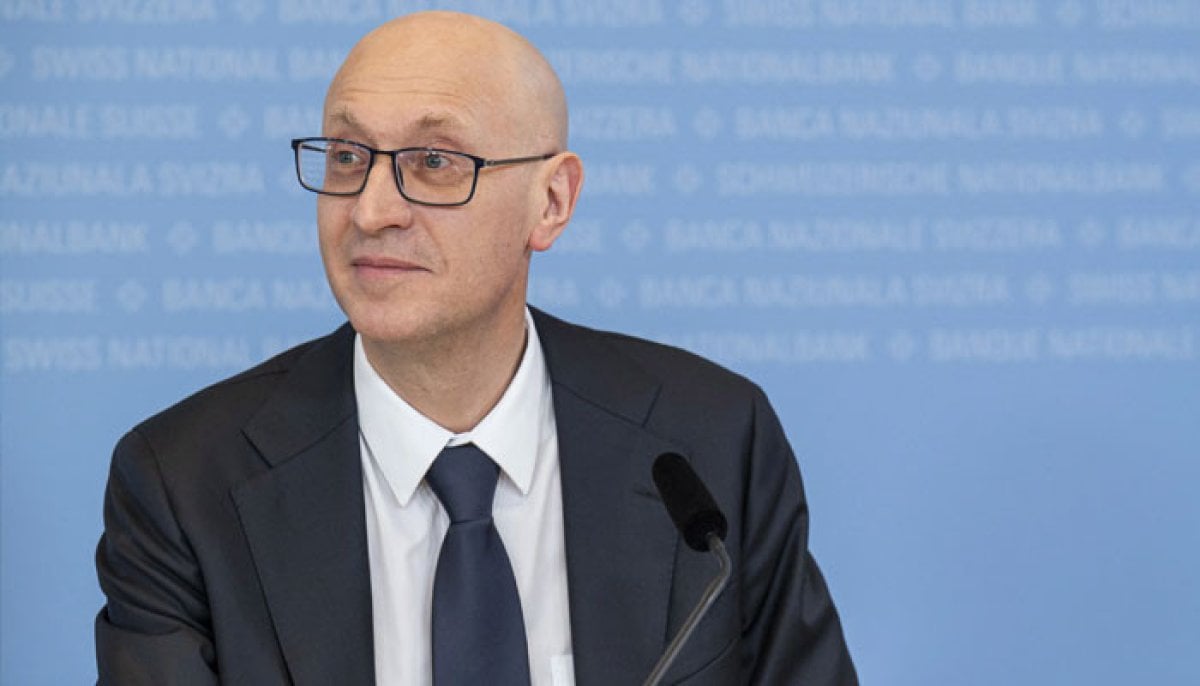 SNB Vice Chairman comes forward after inflation accelerates to a second-round
-
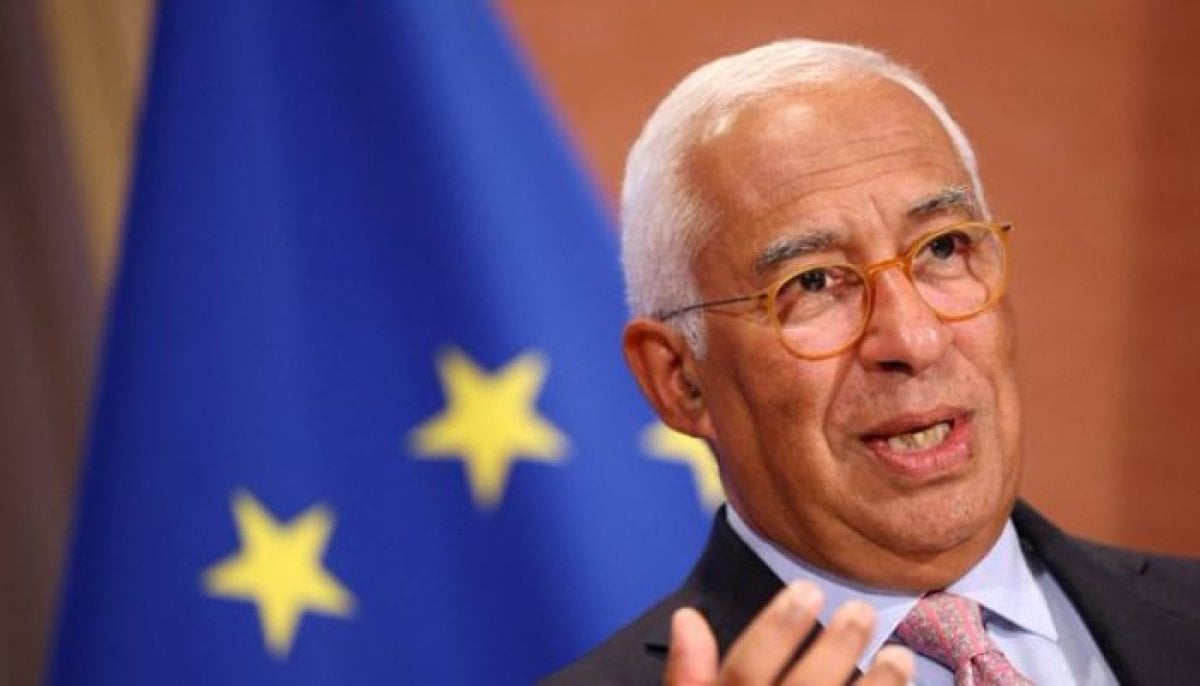 EU leaders’ chair proposes new cuts to 2028–2034 EU budget: what to know
-
 GTA 6 launch sales hit record $3.79 billion in 24 hours, smashing all-time entertainment benchmarks
-
 Bitcoin falls to 2-Year low below $56,000 amid $2 billion crypto liquidation
-
 Anthropic stock drops after IPO as AI trade faces reality check
-
 Alphabet raises $4.19 billion in Canadian bond offering: what to know


