European Space Agency stops cooperation with Russian lunar missions
An alternative mission for Pilot-D "is already being procured from a commercial service provider", says the agency
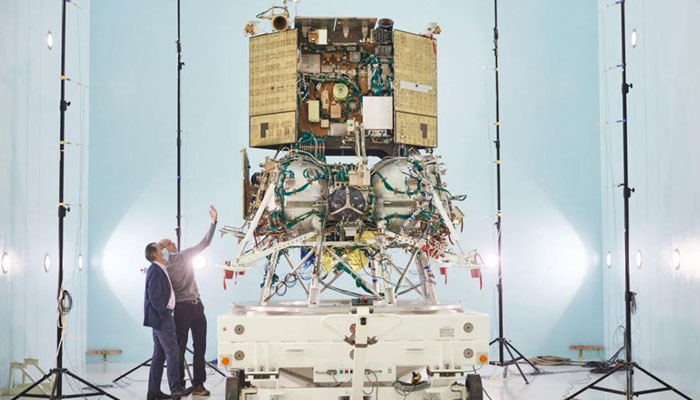
PARIS: The European Space Agency on Wednesday ended cooperation with Russia on three missions to the Moon due to Moscow's invasion of Ukraine, following a previous decision to do the same for a Mars mission.
The ESA said it would "discontinue cooperative activities" on Luna-25, 26 and 27, a series of Russian lunar missions on which the European agency had aimed to test new equipment and technology.
In late March, collaboration on ExoMars, a plan to land a rover on Mars to drill into the soil and search for signs of life, was suspended as well.
"As with ExoMars, the Russian aggression against Ukraine and the resulting sanctions put in place represent a fundamental change of circumstances and make it impossible for ESA to implement the planned lunar cooperation," the ESA said in a statement.
The ESA had planned to have a navigation camera called Pilot-D on the Luna-25 probe, whose launch is scheduled for this summer.
ESA Director-General Josef Aschbacher told a press briefing the camera was going to be dismantled and taken off the launch, and that Russia's space agency, Roscosmos, had already been informed.
The ESA is looking for other options and partners to test the technology that would have formed part of the Russian missions, it said, adding some had already been found.
An alternative mission for Pilot-D "is already being procured from a commercial service provider", the agency said.
Equipment including a lunar drill originally planned for Luna-27 will now be launched on a NASA-led mission instead.
A study on new options for the ExoMars components was being fast-tracked as well, the ESA said.
That mission had been supposed to launch in September.


-
 Singapore builds world’s ultra-precise clock outperforming US, China
 -
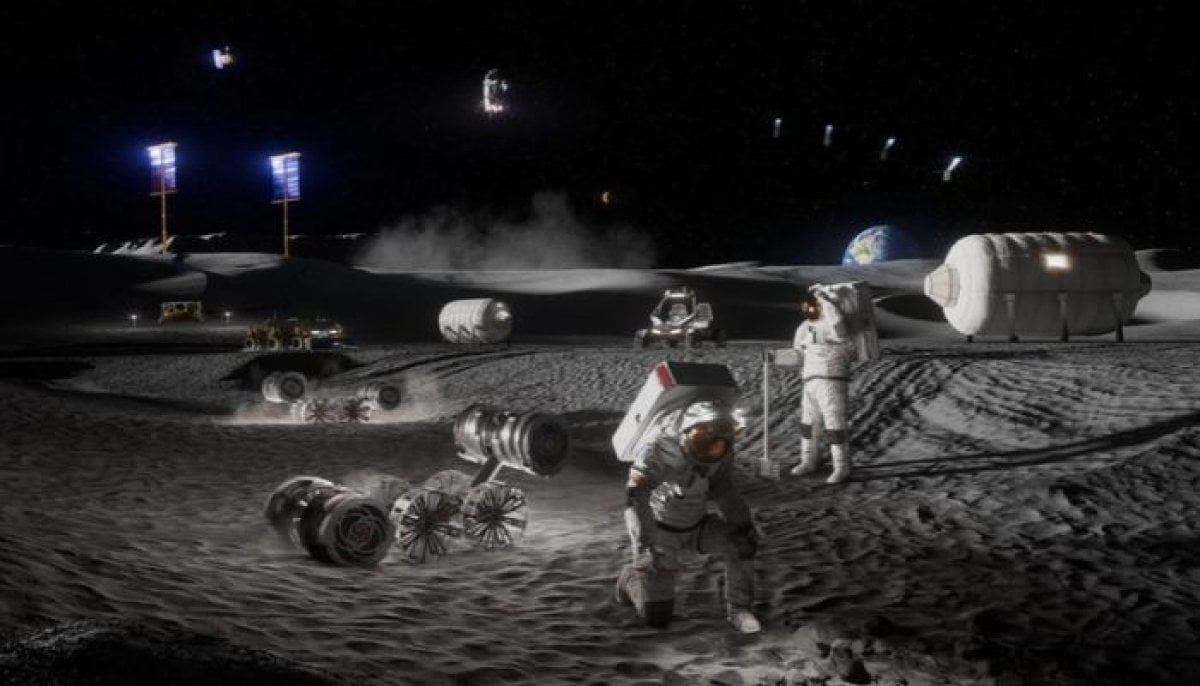 NASA expands Moon base research with three new investigations
 -
 Are Europe's data centres hiding their water use?
 -
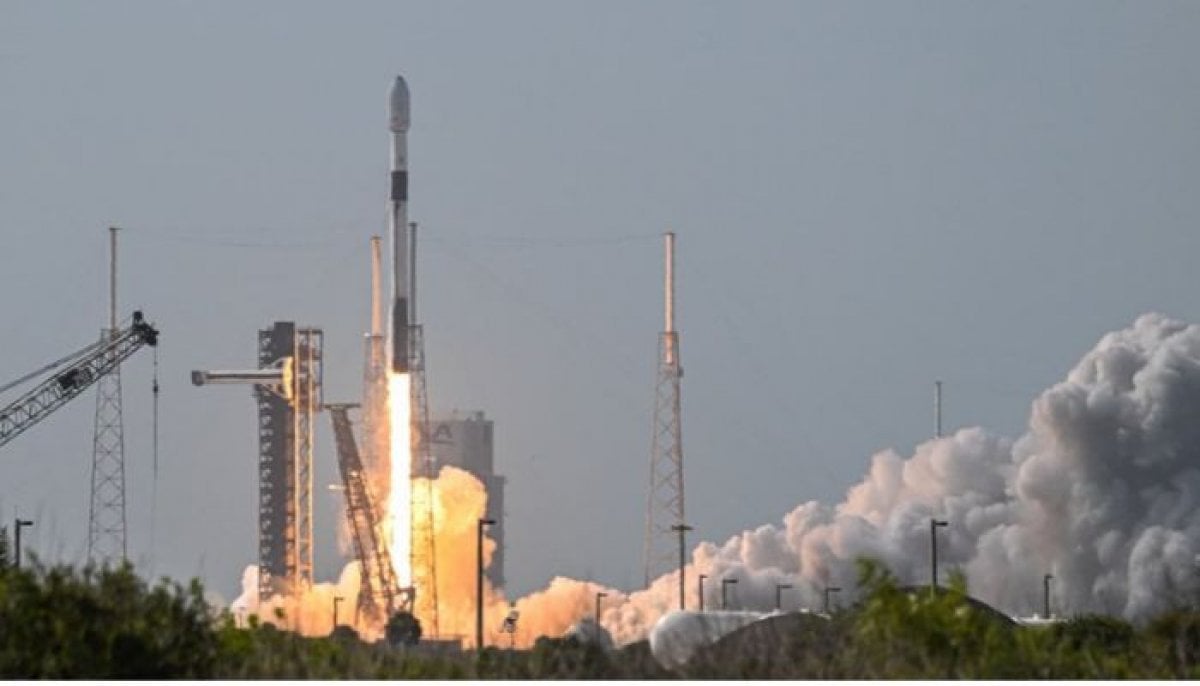 SpaceX set to send Google AI chips into space for data centers
 -
 New report warns of record ocean warming and rising seas
 -
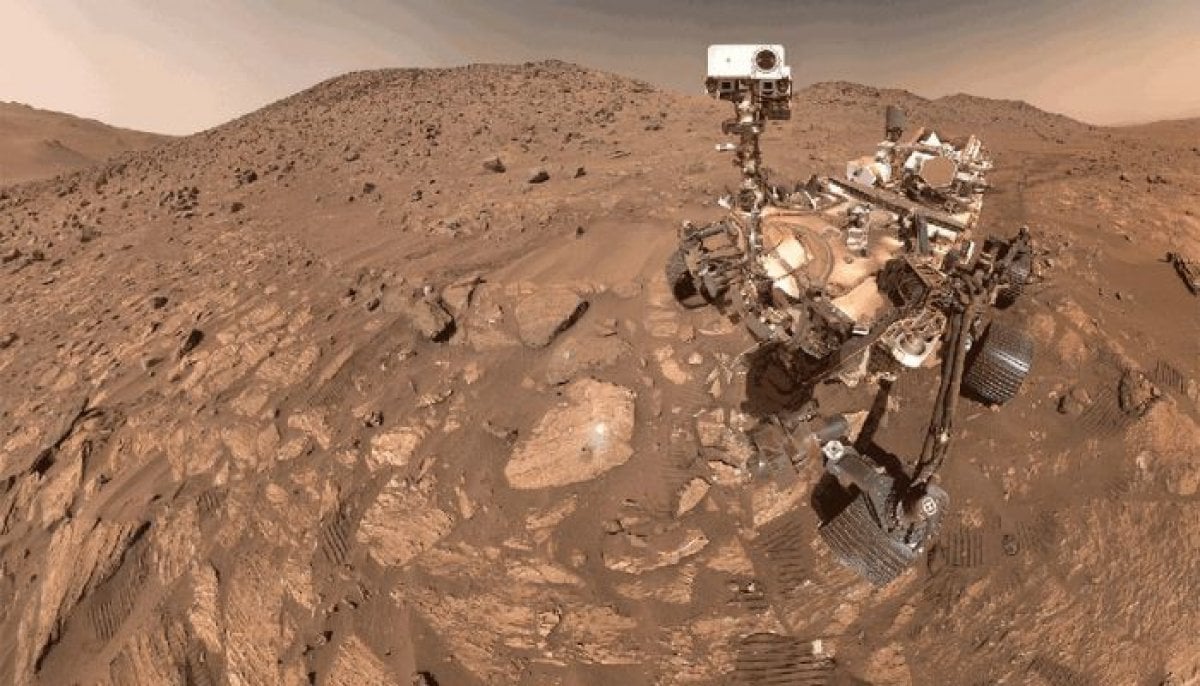 Why NASA scientists believe Scotland holds clues to Mars’ ancient past
 -
 China’s bold Mars plan: Map entire Red Planet by 2028
 -
 Swiss drought reveals Roman secrets that could redraw ancient maps
-
 SpaceX’s Starship engine failure raises questions over NASA’s moon mission
 -
SpaceX Starship Flight 14 reaches orbit after successful insertion burn
-
Asteroid Bennu: NASA samples reveal how it was born from fire and ice
-
Harvard scientists detect mysterious radio signal from planet outside our solar system