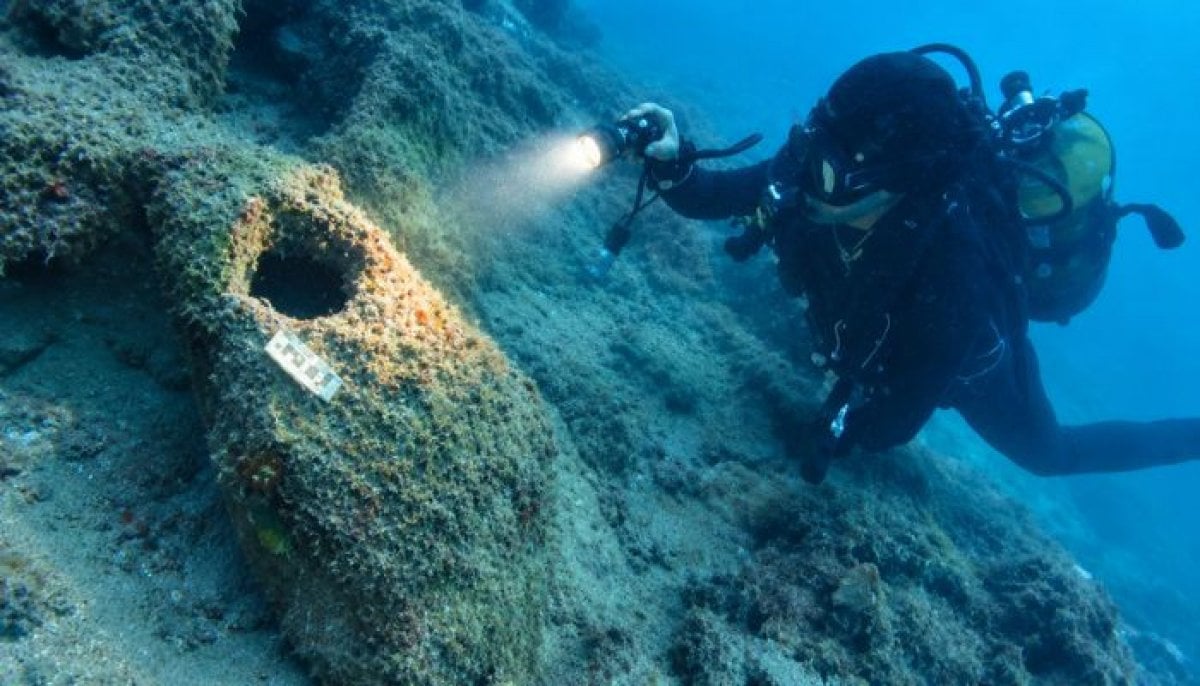
Fault in submarine cable affects internet speed in Pakistan
Sources say repair work on SEA-ME-WE 4 will be completed in January 2022

A fault in the submarine cable Tuesday has affected the internet speed in the country after which the Pakistan Telecommunication Company Ltd (PTCL) started to shift internet traffic to other cables.
South East Asia–Middle East–Western Europe 4 (SEA-ME-WE 4) is an optical fibre submarine communications cable system that carries telecommunications between Singapore, Malaysia, Thailand, Bangladesh, India, Sri Lanka, Pakistan, United Arab Emirates, Saudi Arabia, Sudan, Egypt, Italy, Tunisia, Algeria and France.
According to industry sources, the fault in submarine cable has affected internet speed in the country that will create problems for users at peak hours.
Sources added that the repair work on SEA-ME-WE 4 will be completed in January 2022.
Meanwhile, PTCL issued a statement saying that arrangements had been made for "alternate bandwidth".
"In the next few days, additional bandwidth will be added," the statement said.
In this period, internet speeds will be "slightly affected", the statement warned users.


-
 Orionid meteor shower 2026: Peak date, viewing tips and what to expect
 -
 Why Mars looks blue in NASA’s unedited curiosity panorama?
 -
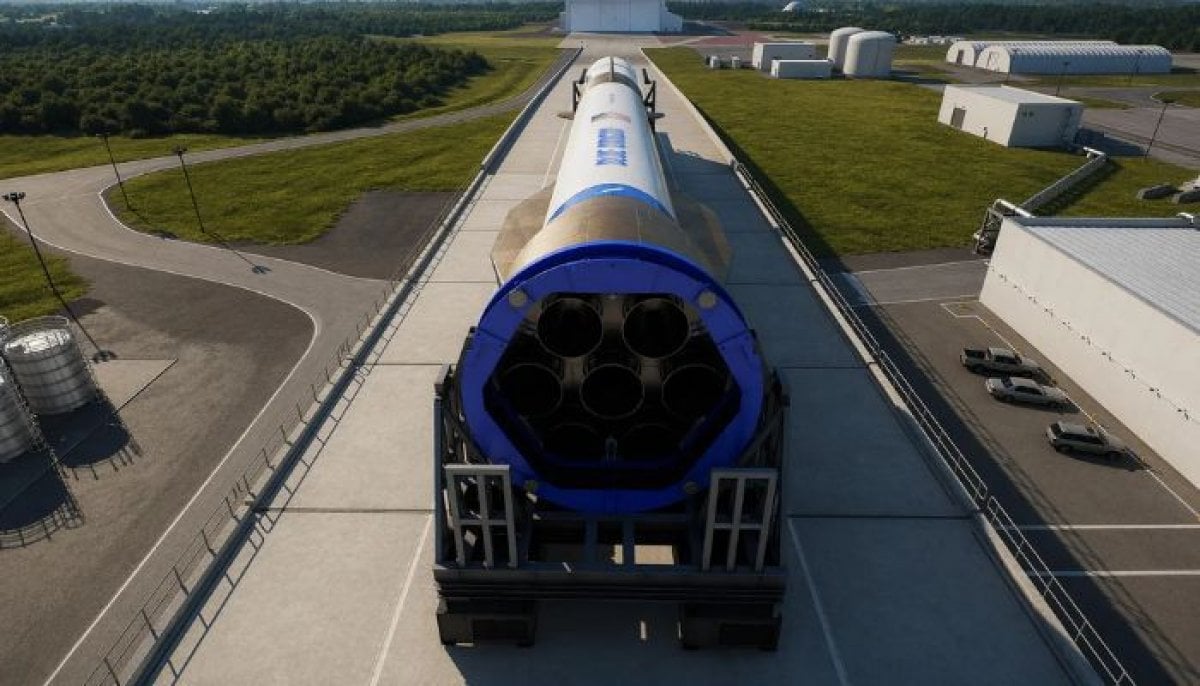 Blue Origin upgrades new Glenn rocket launch infrastructure to take on SpaceX
 -
 NASA’s next Mars mission targets Phobos and Deimos, not Red Planet
 -
 Is AI ready to rewrite our understanding of physics?
 -
 Astronomers identify possible first green star in 27 years of research
 -
 New study sounds alarm as Doomsday Glacier melts more aggressively than thought
 -
 Hubble data hints at planet born after its star died