Using weather radar to monitor insects
A research project called BioDAR has been launched by the researchers of University of Leeds, University of Exeter and the National Centre for Atmospheric Science. The project brings together an interdisciplinary team of ecologists and meteorologists to exploit weather radar networks from around the world.
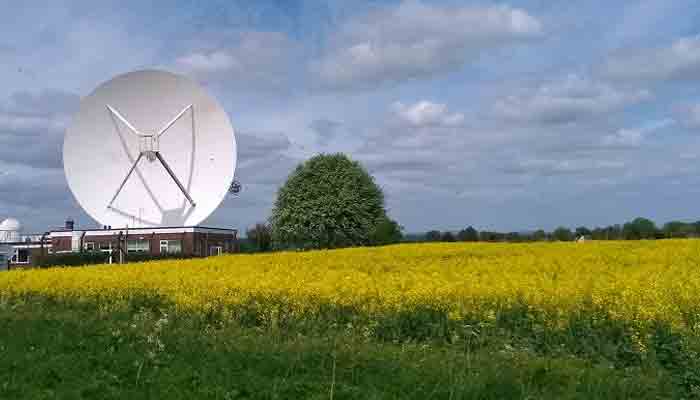
To cope with the decreasing insect population, scientists are developing a revolutionary technique that will allow them to monitor insects in the air using weather radars.
A research project called BioDAR has been launched by the researchers of University of Leeds, University of Exeter and the National Centre for Atmospheric Science. The project brings together an interdisciplinary team of ecologists and meteorologists to exploit weather radar networks from around the world.
The importance of insects cannot be overlooked as they have a significant role in the ecological atmosphere. They tend to influence agriculture, human health, and natural resources.
Ecosystems rely on insects for pollination and as vital parts of food webs. Thus, the declining population of insects has raised concerns amongst the people for quite some time now.
The researchers will use weather radar technology to provide detailed maps of insect abundance and diversity. The collected information will support conservation of the important species of insects such as bees and other pollinators, and will help protect against crop pests.
The new project, initially aim to monitor insect populations in the UK, will then be launched in Rwanda, Mali, and South Africa.
Until now there has been no consistent method for effectively tracking the abundance and diversity of insects over large areas.
Dr Christopher Hassall, a member of the BioDAR team from the University of Leeds’ said: “Humans are causing alarming declines in wildlife populations across the world, and it is vitally important to our own survival that we protect those that are left.”
“This collaboration between biologists and atmospheric physicists aims to create a powerful new tool through which we can keep a watchful eye on insect populations, allowing us to make conservation decisions that encourage their survival.”
By collecting information about the variety and number of different insects over wide areas, on a regular basis, scientists will be able to keep tabs on the impact of different conservation actions and see how human-caused changes to our environment are affecting insect populations.
BioDAR is developing a way to use machine learning to automatically recognize and gauge the diversity of insects using weather radar data, uncovering a treasure trove of information about our wildlife.


-
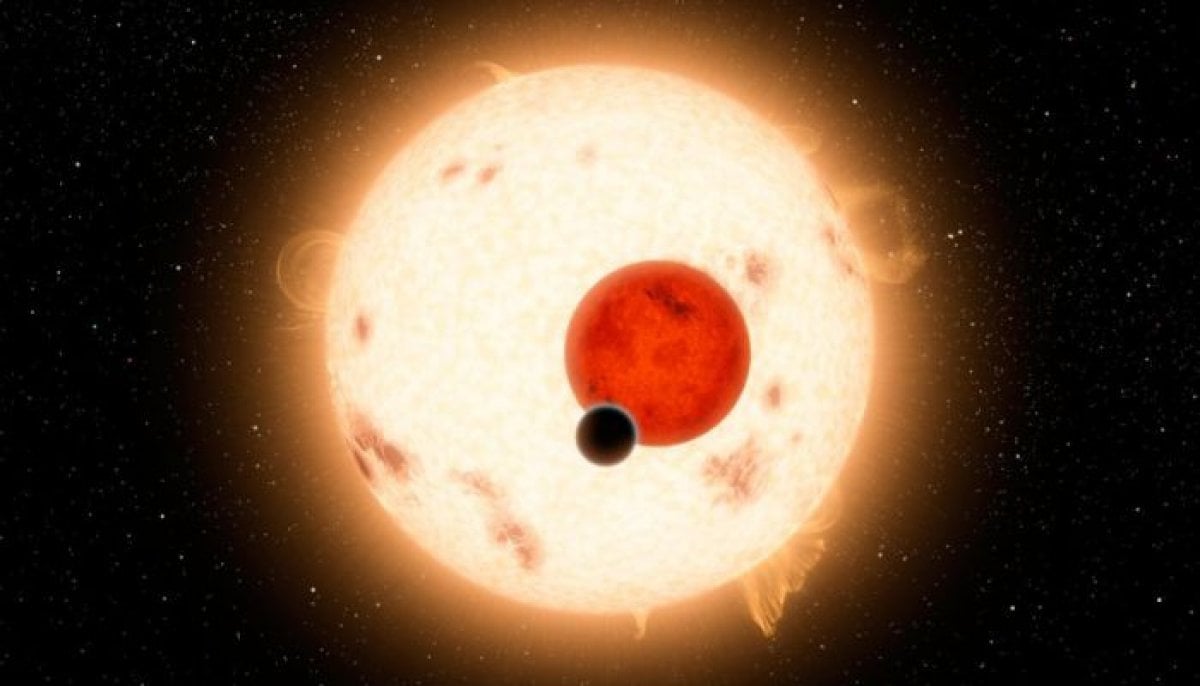 Chinese astronomers discover real-life three-body system unlike Liu Cixin’s fiction
 -
 Hunter’s Moon 2026: When and how to watch October’s full moon
 -
 Elon Musk’s Mars colonization dream faces reality check from Nobel laureate
 -
 NASA competition model 2.0 cuts mission selection by 45%
 -
 A ‘neglected’ neutrino may hold the key to why the Universe exists
 -
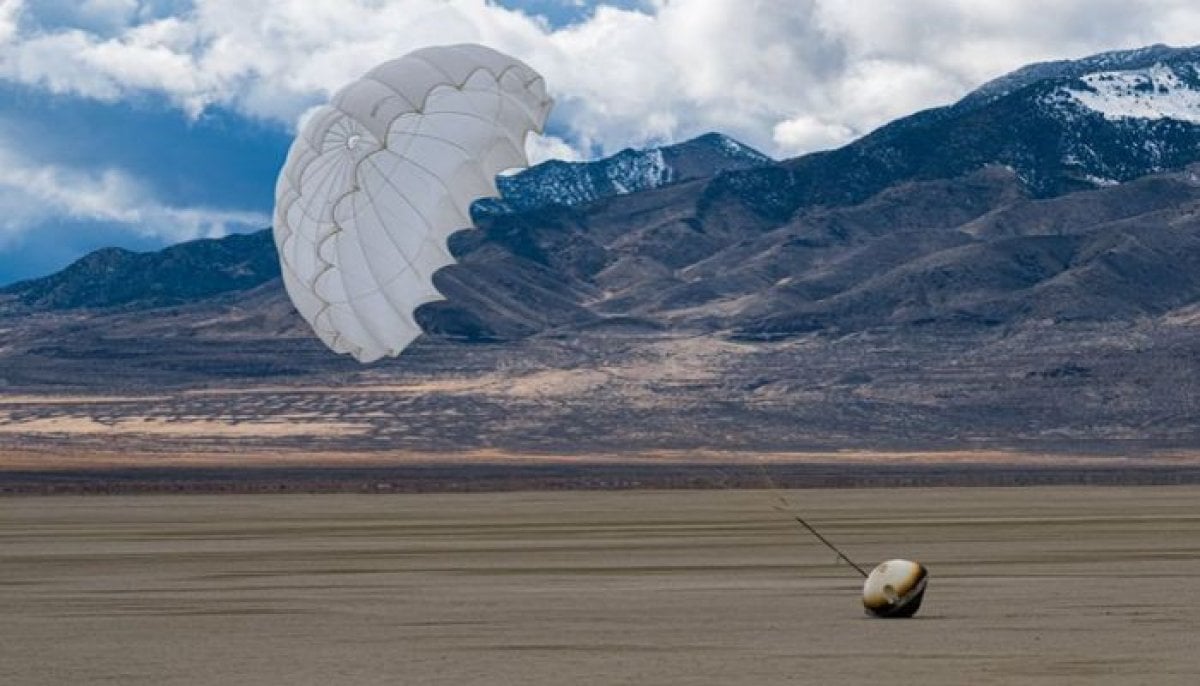 Can cancer drugs be made in space? Here’s what the new mission aims to find out
 -
 SpaceX Falcon 9 successfully launches Bandwagon-5 mission with 32 payloads
 -
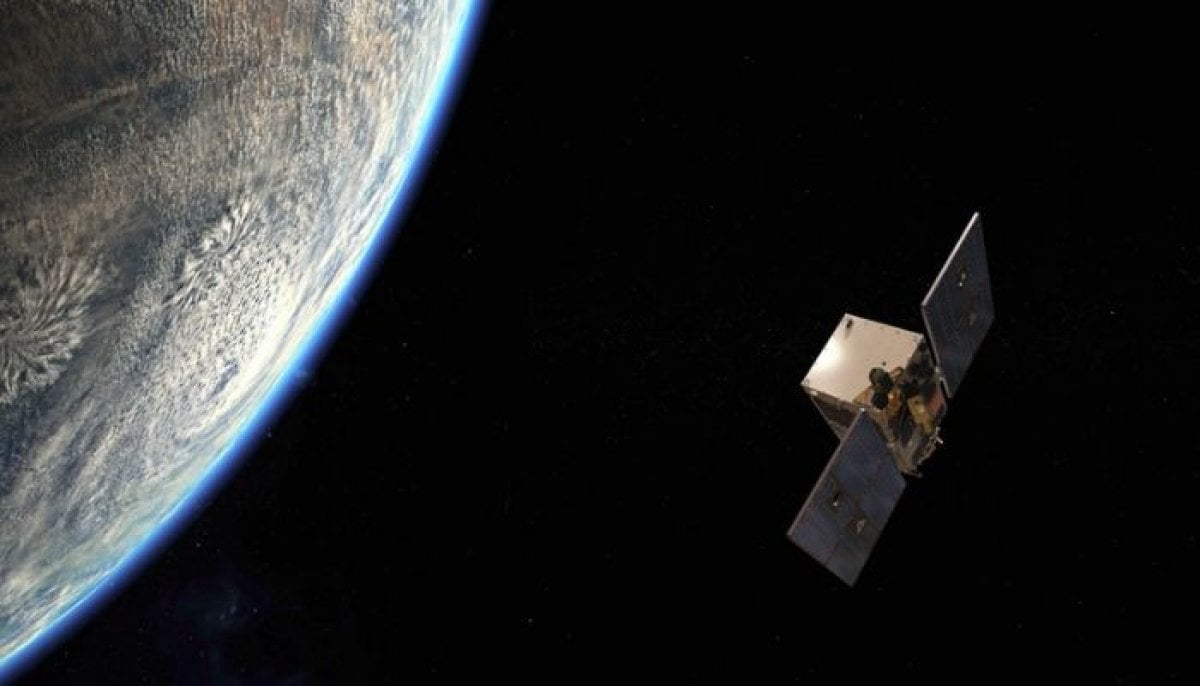 Europe launched 8 orbital rockets last year, can it rival Starlink?