SpaceX's Elon Musk renames his big rocket 'Starship'
BFR has long been the unofficial name of the rocket, which is still under development.
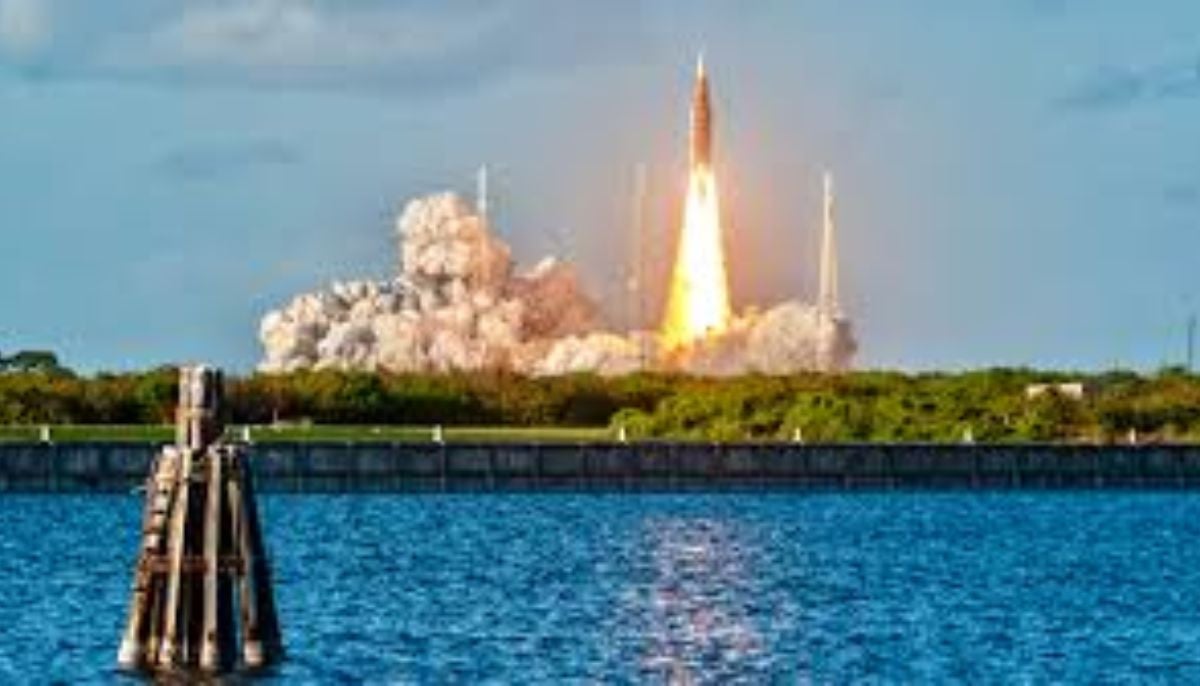
Washington -SpaceX chief executive Elon Musk has announced he is changing the name of his monster rocket BFR, aimed at carrying people to the Moon and possibly one day to Mars, to "Starship."
BFR has long been the unofficial name of the rocket, which is still under development.
The letters were initially presumed to stand for "Big Fucking Rocket," before company executives began formally referring to it as "Big Falcon Rocket."
"Renaming BFR to Starship," Musk wrote on Twitter late Monday.
In September, when Musk revealed that a Japanese billionaire would be among SpaceX´s first tourists to circle the Moon by 2023 at the earliest, he said the trip would be launched aboard the BFR.
The 387-foot (118-meter) tall rocket will consist of a first stage with engines and fuel systems, which Musk said Monday would be called the "Super Heavy."
The second stage "Starship" is the part with the spacecraft where the passengers will ride.
Musk has estimated the rocket system will cost $5 billion to build.
The spacecraft´s shape is reminiscent of the space shuttle, the bus-like US spaceships that carried astronauts to space 135 times from 1981 to 2011.
Musk has said he wants the Starship vessel to be able to hold around 100 people, and that the launch system could one day be used to colonize the Moon and Mars in order to make humans a "multi-planetary" species.
SpaceX currently operates two rockets: the Falcon 9 and the Falcon Heavy.
The Falcon 9 launches satellites as well as cargo missions to the International Space Station, and has completed 18 missions so far this year and more than 60 since 2012.
The Falcon Heavy is capable of launching larger payloads and made its first test flight in February, sending Musk´s own red Tesla car into space with a mannequin at the wheel.
On Saturday, Musk announced that the company would abandon plans to upgrade the Falcon 9 for even more reusability of its second stage.
"Accelerating BFR instead," he wrote on Twitter. "New design very exciting!"


-
 Asteroid 2026 JH2 to pass extremely close to Earth on May 18: Should we be concerned?
 -
 Meet the ‘last titan’: Giant new dinosaur identified from fossils in Thailand
 -
 Can we finally find aliens? Scientists reveal a surprising new ‘organizational’ approach
 -
 Study reveals how to tell real alien life from chemical fakes
 -
 Scientists find hidden third ancestral group in Japanese genomes
 -
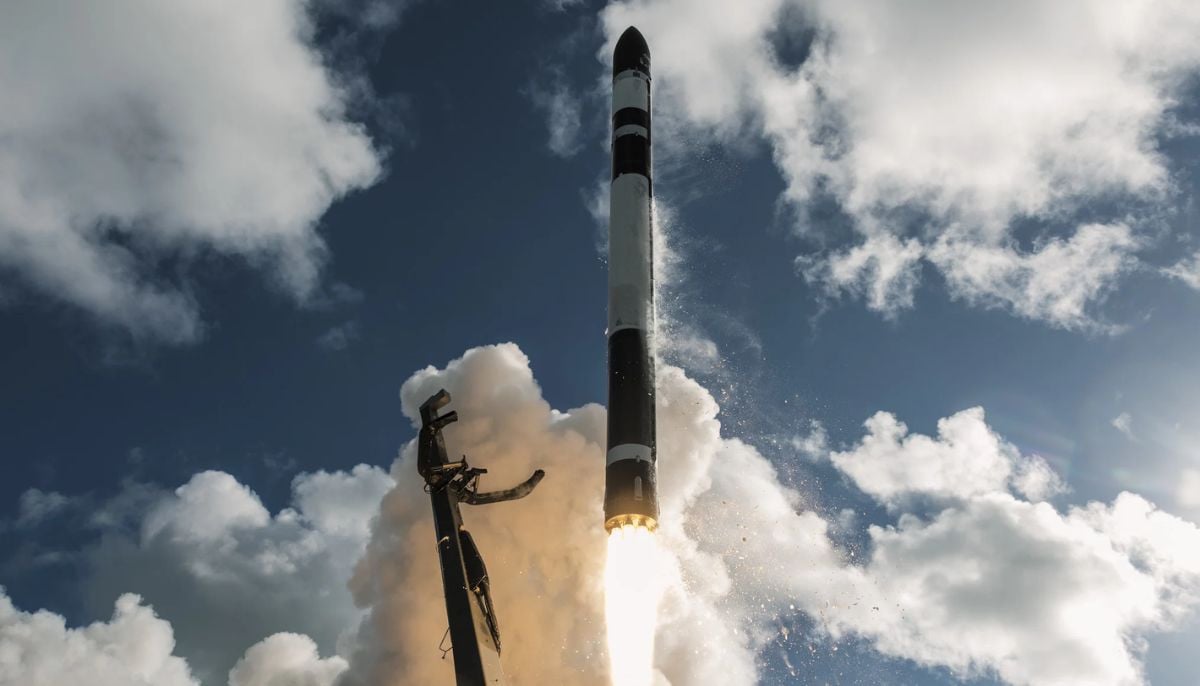 SpaceX ‘Space Junk’ is on a collision course with the Moon, scientists say
 -
 Do you know what happened on May 10, 1967? NASA's M2-F2 disaster explained
 -
 Why the Southern Ocean is melting: Antarctica’s sea ice resilience reaches a breaking point
-
 Giant black holes are cosmic ‘Frankensteins’ built by mergers, new study reveals
 -
NASA’s Artemis 2 moon launch becomes the largest event in Space Coast history
-
Is success written in your DNA? New study reignites nature vs nurture debate
-
Researchers found 240-million-year-old giant mysterious 'sand creeper'