Study shows Modi is most popular leader on Facebook; Pakistani PM nowhere to be seen
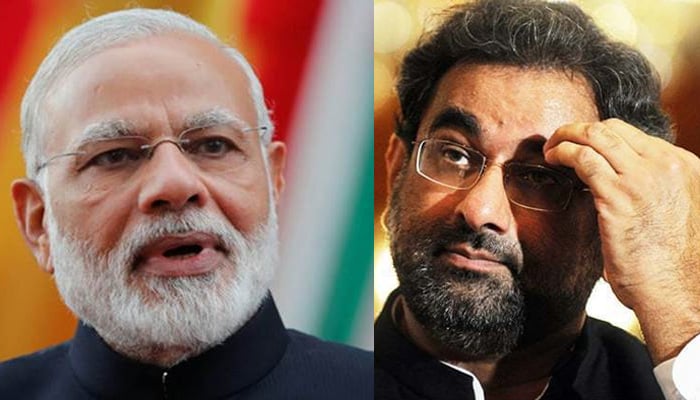
Indian Prime Minister Narendra Modi has emerged as the most popular world leader on Facebook, with more than 43 million likes on his personal page and 13.9 million likes on his institutional Prime Minister of India page.
A latest research into how world leaders, governments and international organizations communicate via social media paints a bleak picture of state of affairs in Pakistan.
The Pakistani leaders have shown no interest in reaching out to people on the social media as their names were no where to be found in the study.
During Modi's stint, Pakistan saw two prime ministers at the helm of affairs, but none of them felt the need to use Facebook as a tool to communicate directly with the people.
Prime Minister of India has featured as the most liked leader on the Facebook, leaving behind US President Donald Trump.
The Indian prime minister ranked 2nd on the list of " World Leaders with the Most Interactions".
Only two Facebook pages associated with the Pakistani government made it to the list of departments that have significant impact.
The Government of Pakistan Facebook page ranked third in terms of number of pictures posted while Foreign Ministry of Pakistan made it to the list for liking relevant pages of the other countries.
Unverified Official Facebook page of the Prime Minister of Pakistan is liked by only 425,488 people.
Although it regularly shares pictures of prime minister's activities, it has yet to post a message directly addressing his followers.
The for the research was collected on March 15, 2018, using Burson Cohn & Wolfe’s proprietary tools to analyze the 650 world leaders’ pages. More than 50 variables were considered, including: Likes, check-ins, were here count, location, Liked by Page, etc.


-
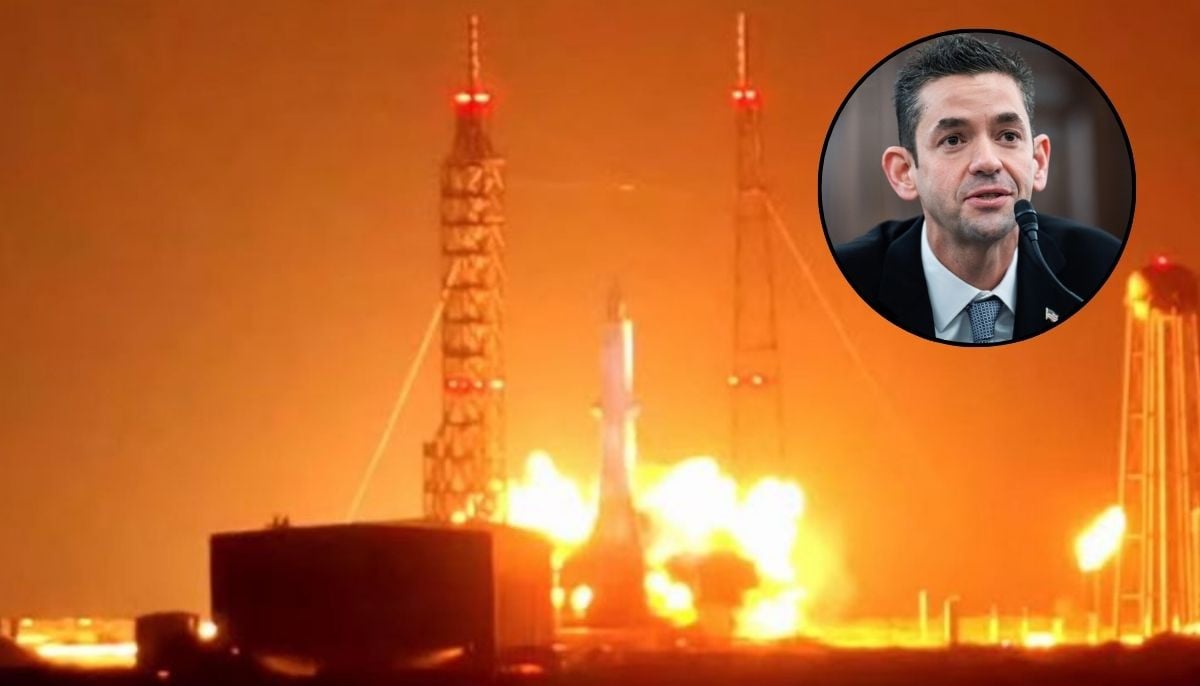 Blue Origin’s New Glenn rocket explodes: NASA responds to impact on lunar base mission
 -
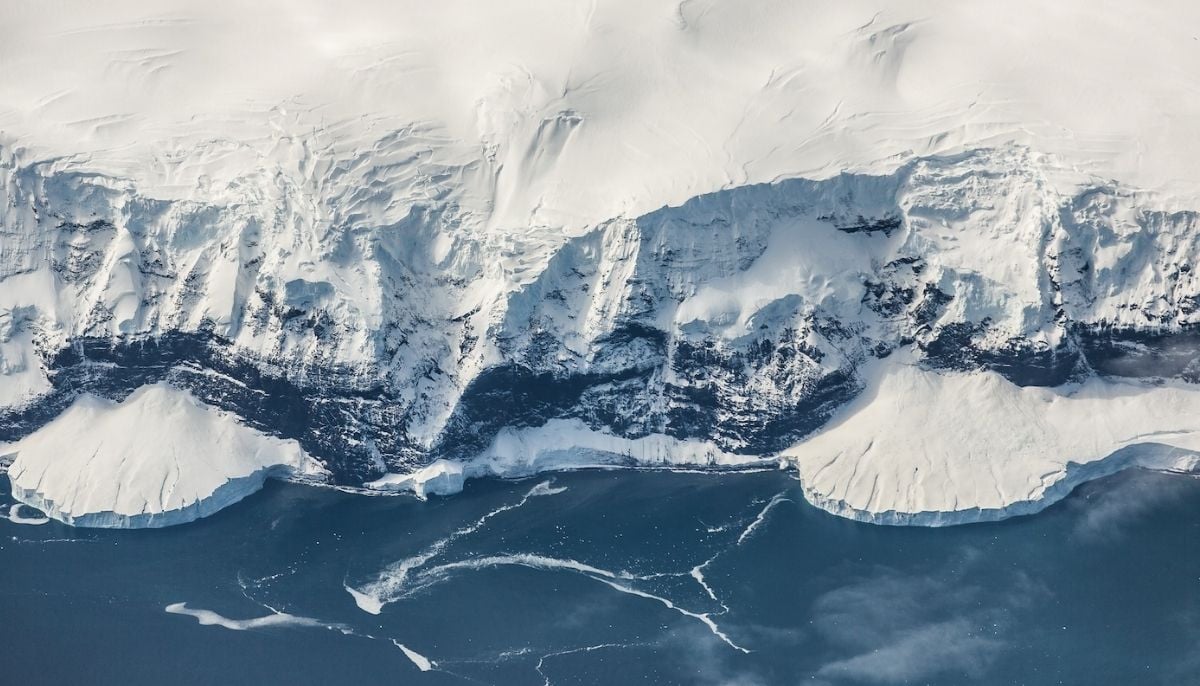 Scientists map hidden Antarctic Marginal Ice Zone in Southern Ocean for first time
 -
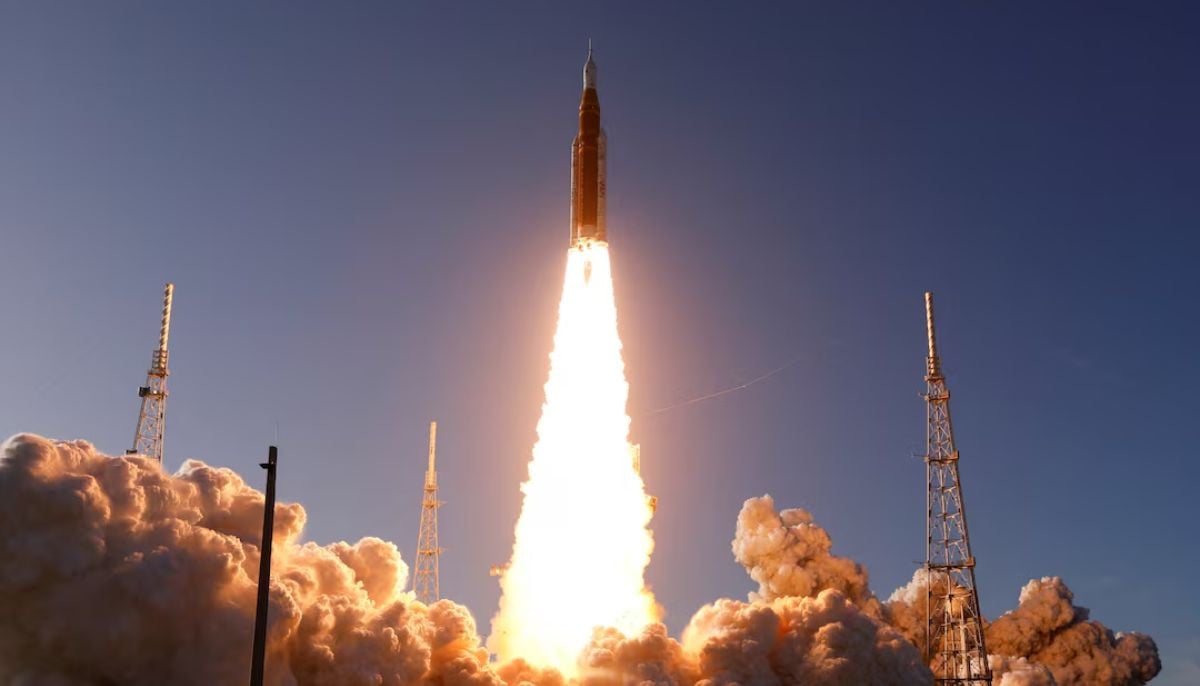 Who are the Artemis 3 astronauts? NASA announcement coming June 9
 -
 Blue Moon 2026: How it highlights the mechanics of our Solar System
 -
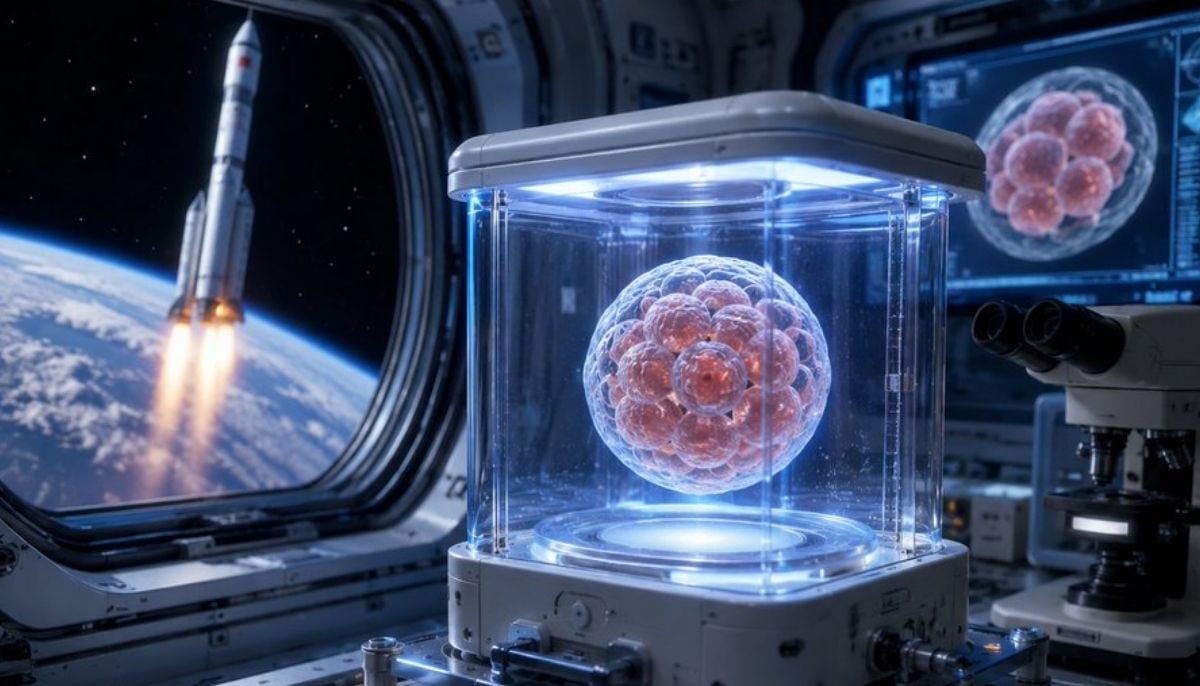 China sends artificial embryos into space—Could humans reproduce in zero gravity?
 -
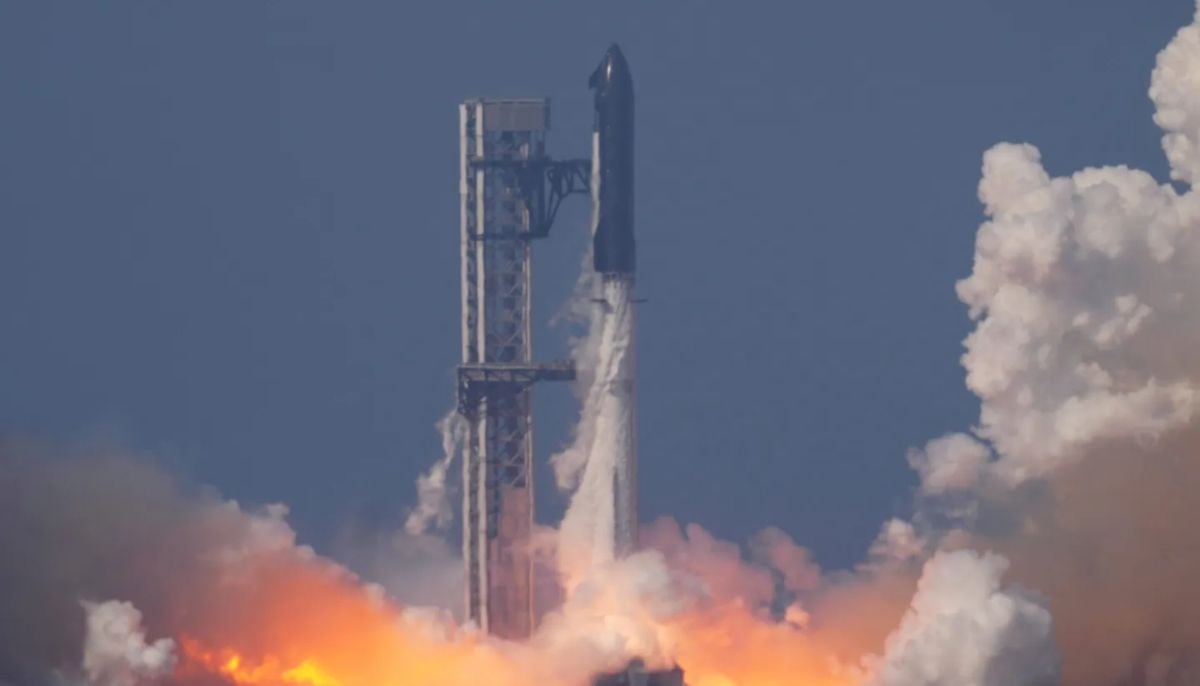 SpaceX IPO buzz intensifies as strategists debate $2 trillion valuation
 -
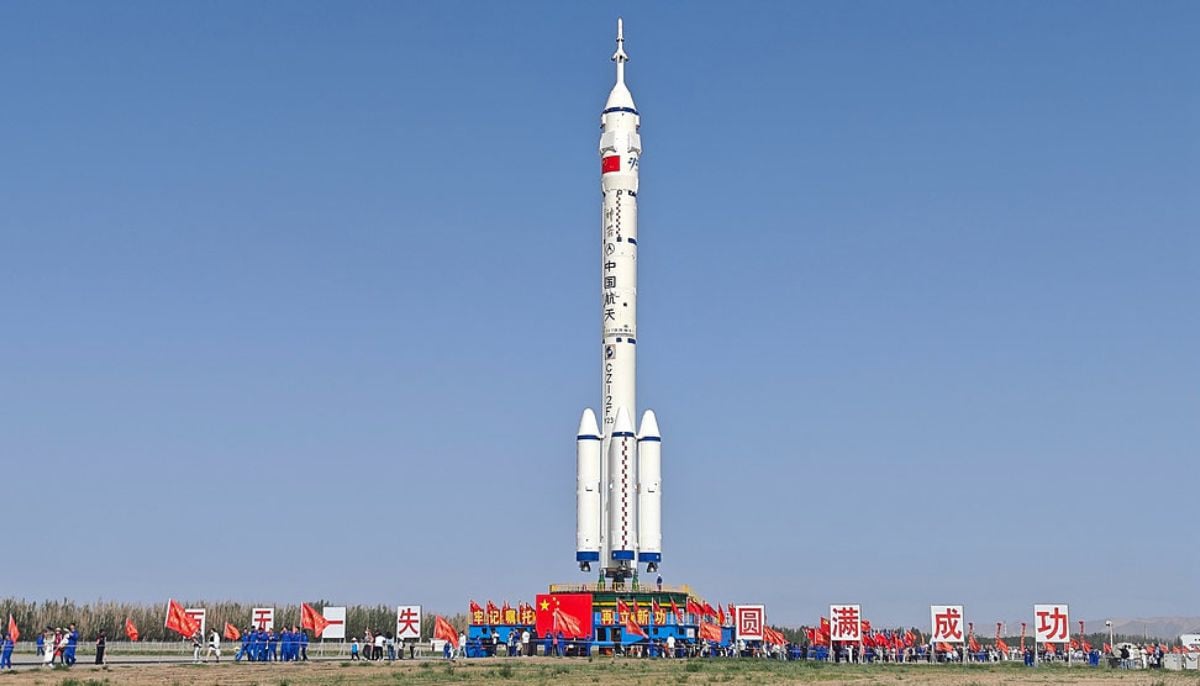 China to launch Shenzhou 23 crew to Tiangong space station
 -
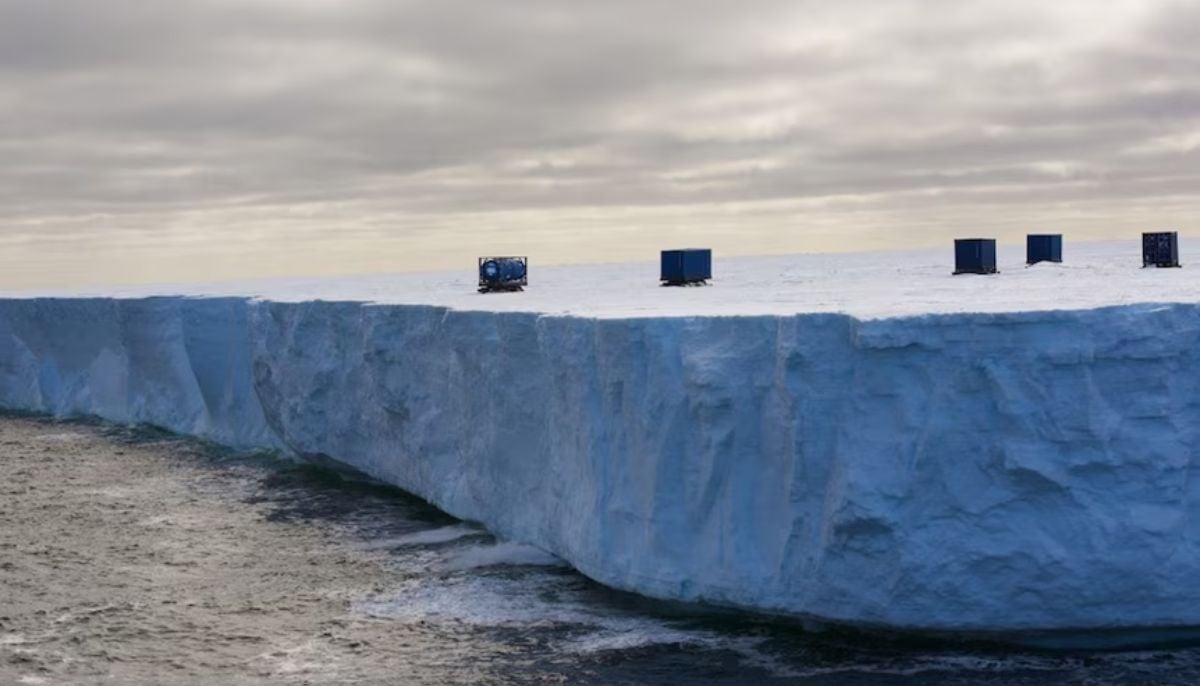 Antarctic blizzard sends fuel containers floating on an iceberg: Here’s why