UK and EU reach post-Brexit breakthrough deal to streamline food export and border checks
New bilateral agreement targets costly administrative barriers, physical border inspections, and export health certificates for agricultural and food products ahead of an upcoming leaders' summit

The United Kingdom and the European Union have reached a breakthrough draft agreement aimed at dismantling major post-Brexit barriers and red tape affecting agricultural and food trade.
Under the proposed pact, the two sides are moving to establish a framework that streamlines sanitary and phytosanitary (SPS) rules.
The changes are designed to eliminate routine physical border checks, export health certificates, and costly documentation requirements that have weighed heavily on food exporters, suppliers, and supermarkets since Brexit.
By easing these non-tariff barriers, the agreement seeks to slash transit delays for perishable goods, reduce operational overhead for businesses moving products across the Channel, and smooth out supply chains ahead of an upcoming bilateral leadership summit.
According to BBC, "SPS" [sanitary and phytosanitary] agreement has been circulated to EU nations in Brussels for consideration at a meeting on Wednesday, October 28.
Similar texts for deals on emissions trading and a youth travel and work scheme have also been circulated alongside a 15-page draft joint statement for UK and EU top leaders.
Why it matters:
The food deal is the most significant part of the so-called Brexit reset agreed so far, removing checks and red tape that hit exporters after the UK exited the EU's single market.
UK exports to the EU of fresh sausages, burgers, shellfish from domestic waters and seed potatoes will also be able to resume.
The deal should remove the need for £200 Export Health Certificates, £25 Phytosanitary certificates, inspector fees, organic certificates, some port fees, sampling fees and other checks for exports and imports to and from the EU.
The agreement will also allow for passports for UK pets taken into the EU.
Under the agreement the UK will commit to observing and adapting to existing EU regulations on plant, animal and food trade standards-a process called "dynamic alignment".
The government claims the UK economy will eventually see £5.1bn worth of annual benefits.
The draft agreements will be discussed at a meeting of EU ambassadors called Coreper on Wednesday, with some key details on the planned numbers in a Youth Experience Scheme to be finalized at a political level in the coming days.



-
 China makes fresh move on critical minerals in US trade war
-
 US envoy casts doubt on Trump's promise to end Israel military aid this year
-
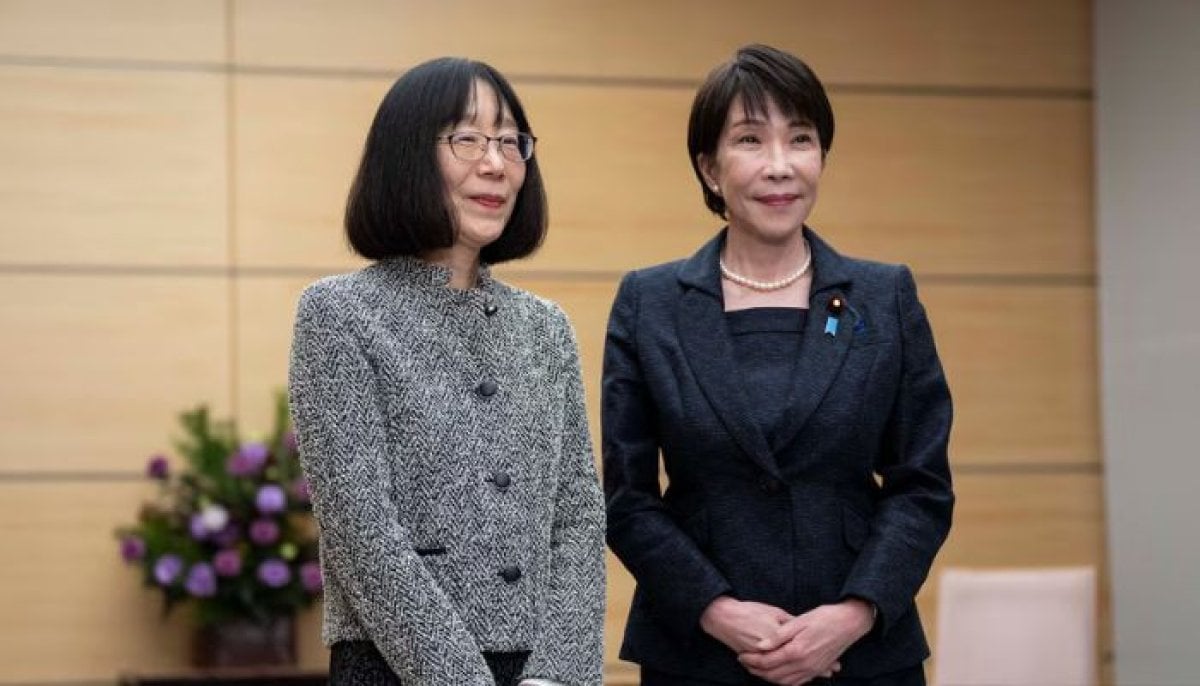 Japan boosts ICC Funding amid US sanctions threat
-
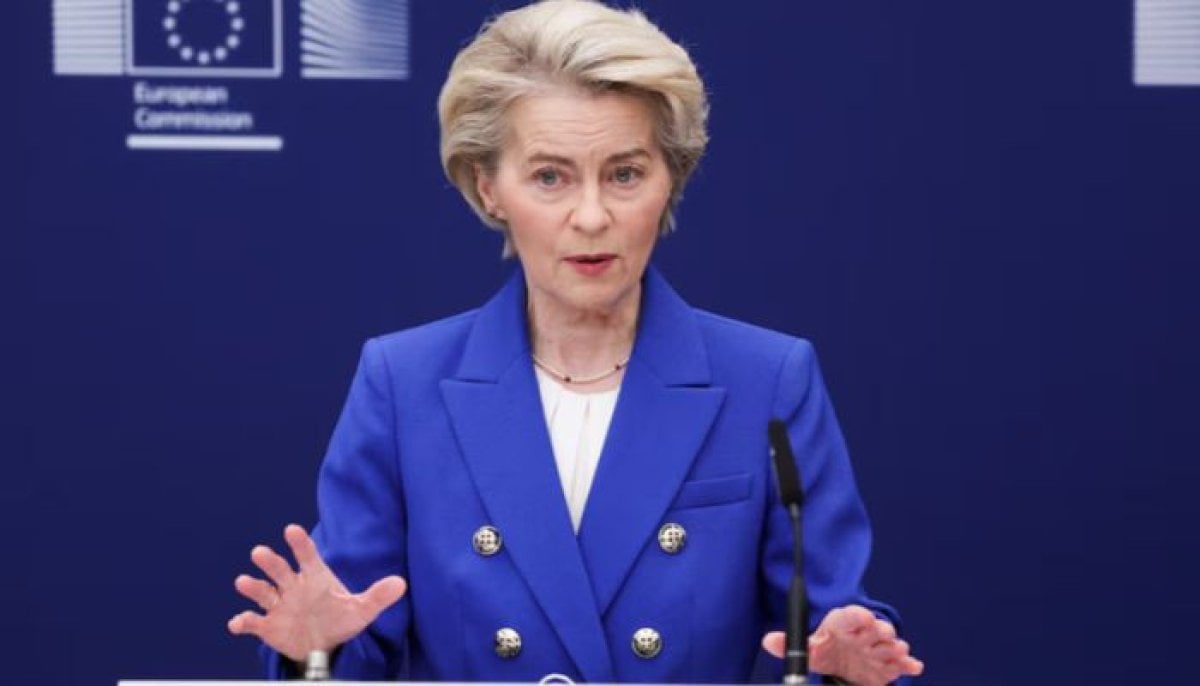 EU proposes 22nd Russia sanctions package targeting 60 banks, crypto, and sports
-
 Gas explosion kills 6, injures 10 in Vietnam's Hanoi
-
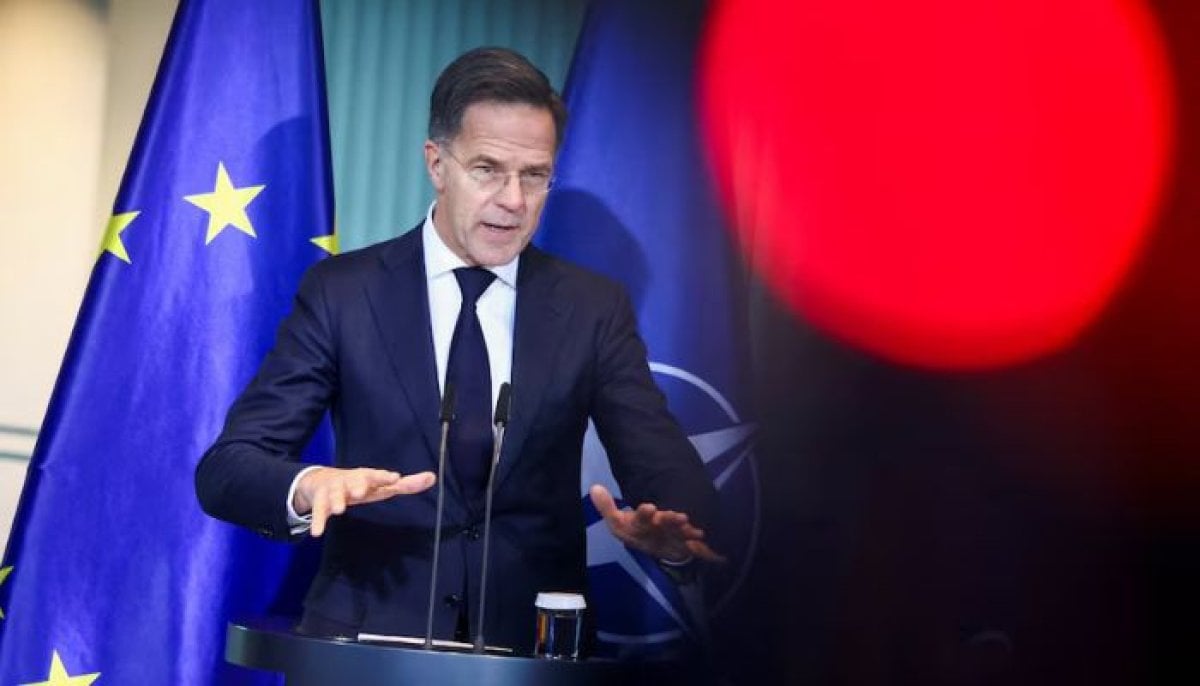 Russia’s nuclear satellite threat: NATO reveals its possible ‘response options’
-
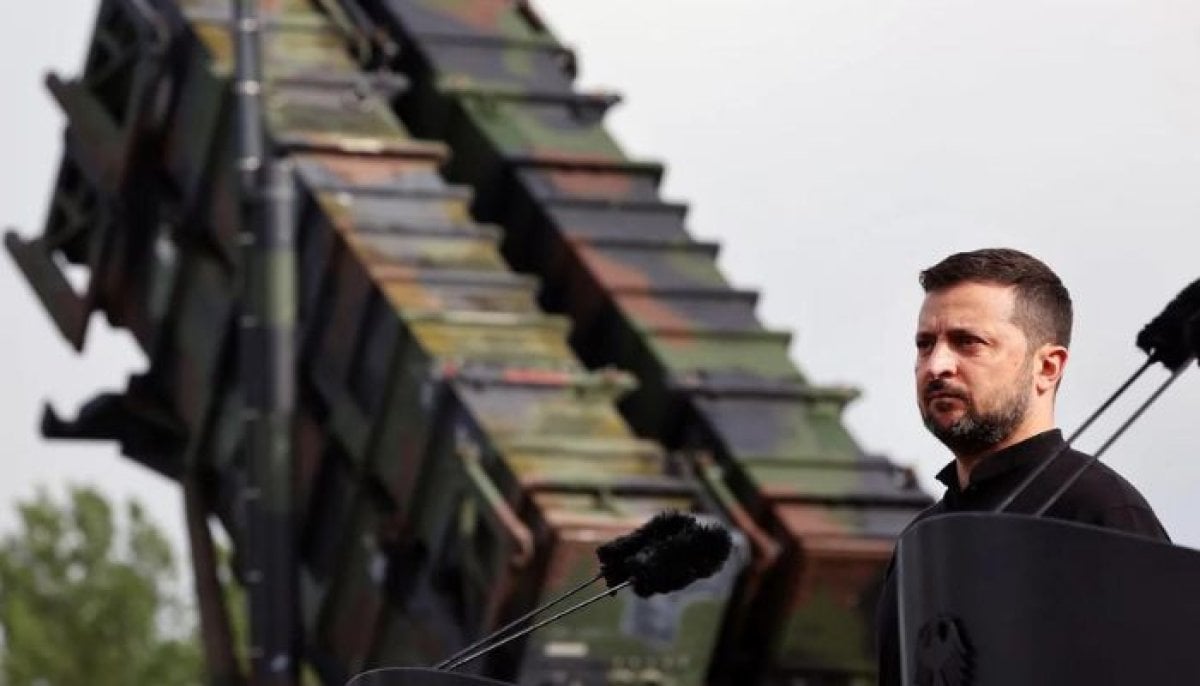 Ukraine's Patriot missile supply faces US approval delay: Report
-
 Indonesian official addresses treason charges against former police chief
-
 Princeton PhD student held by ICE after arrest at Washington airport
-
Ousted Bangladeshi Prime Minister Sheikh Hasina announces return: Report
-
Jimmy Gomez to leave Congress after House panel finds misconduct towards female staffer
-
Pentagon warns Canada's military shortfalls threaten North American security